
Life Cycle of a Butterfly Cut and Paste Worksheet
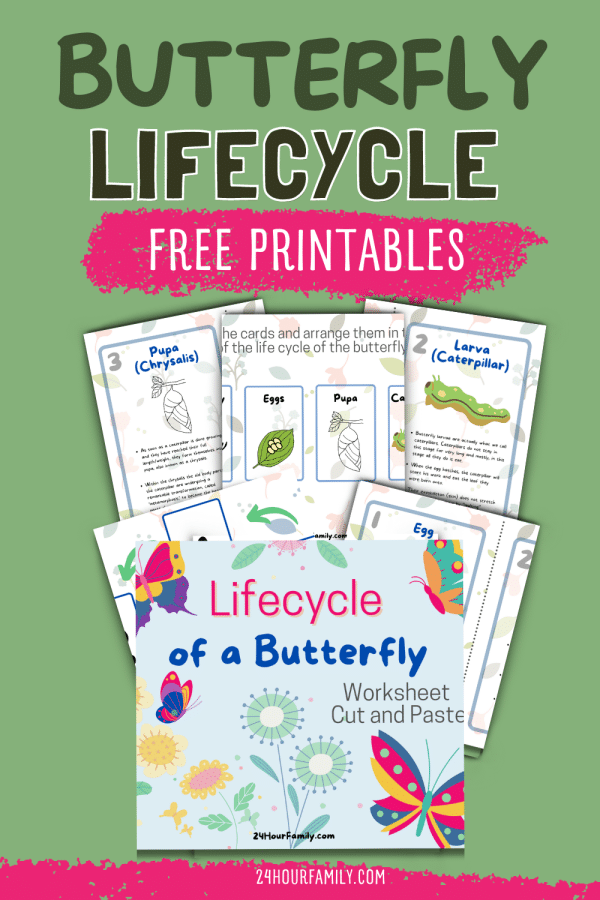
Learning how a tiny egg becomes a beautiful butterfly is one of the most fascinating science lessons for young children. This free life cycle of a butterfly cut-and-paste worksheet gives kids a hands-on way to explore each stage of that amazing transformation.
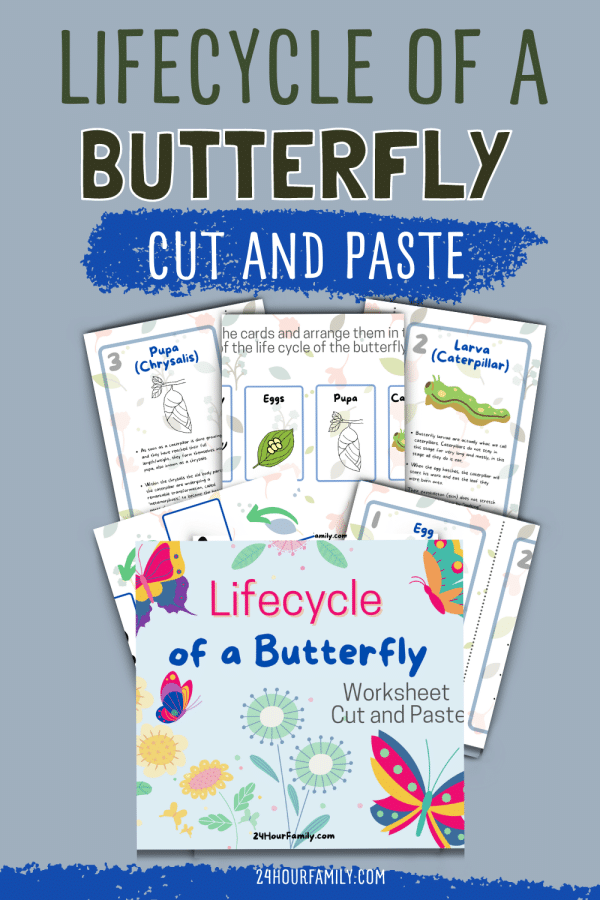
Children can cut out the butterfly life cycle pictures, arrange them in the correct order, and paste them onto the worksheet. The printable also includes butterfly life cycle flashcards that can be used for sequencing, vocabulary practice, science centers, and matching games.
This activity is especially helpful for preschool, kindergarten, and early elementary students learning about insects, animal life cycles, and metamorphosis.
This post may contain affiliate links, which means I may earn a commission from qualifying purchases at no additional cost to you. Read my disclosure policy here.
Free Butterfly Life Cycle Printable
The printable pack helps children recognize and sequence the four main stages in the life cycle of a butterfly:
- Egg
- Caterpillar or larva
- Chrysalis or pupa
- Adult butterfly
Instead of simply memorizing the names, children can physically move the pictures and place the stages in order. This makes an abstract science concept easier for young learners to understand.
The worksheets can be used during a spring unit, butterfly theme, insect study, homeschool science lesson, or classroom science center.


What Is Included in the Printable?
This free butterfly life cycle printable pack includes several learning activities featuring the four stages of a butterfly’s development.
Children can use the pages to:
- Identify the stages of the butterfly life cycle
- Place the stages in chronological order
- Match butterfly life cycle pictures with their names
- Cut and paste pictures onto the worksheet
- Study the stages using printable flashcards
- Practice retelling the life cycle in their own words
The illustrations provide visual support for children who are still developing their reading skills.
You can print one complete set for each child or laminate selected pages and reuse them with removable hook-and-loop dots.
This post may contain affiliate links. As an Amazon Associate and a participant in other affiliate programs, I earn a commission on qualifying purchases. Read our disclosure policy here.



Supplies Needed:
This is a simple, low-prep activity. You will need:
- Printed butterfly life cycle worksheets
- Child-safe scissors
- Glue stick
- Crayons, markers, or colored pencils
- Cardstock, optional
- Laminator, optional
- Removable hook-and-loop dots, optional
Regular printer paper works well for a one-time worksheet. Use cardstock if you plan to turn the pictures into reusable sequencing cards or flashcards.
How to Use the Butterfly Life Cycle Cut and Paste Worksheet
Print the Worksheets
Download the PDF and print the pages you want to use.
You can print the pages at full size on standard US letter paper. Select “fit to page” in your printer settings if any portion of the design is cut off.
Review the Four Stages
Before cutting, introduce the four stages shown on the worksheet:
- Egg
- Caterpillar
- Chrysalis
- Butterfly
Have children point to each picture as you say its name.
Color the Pictures
Children can color the life cycle illustrations with crayons, markers, or colored pencils.
You could also show them photographs of monarchs, swallowtails, or butterflies found in your area and invite them to use similar colors.
Cut Out the Pieces
Have children carefully cut along the outlines of the pictures or sequencing cards.
Younger preschoolers may need help with this step. If cutting is too difficult, an adult can prepare the pieces before the lesson.
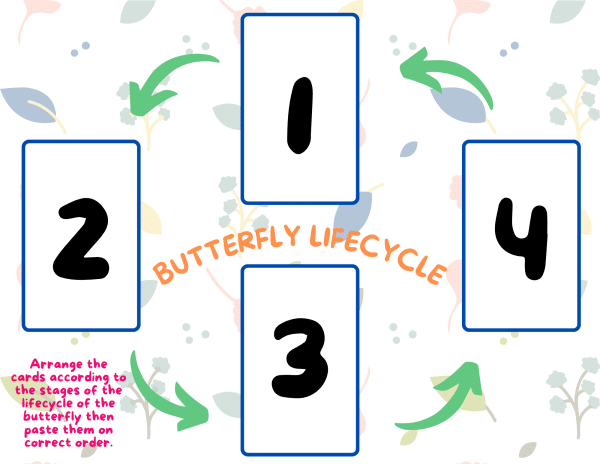
Arrange the Stages
Ask children to place the pictures in the order in which they happen:
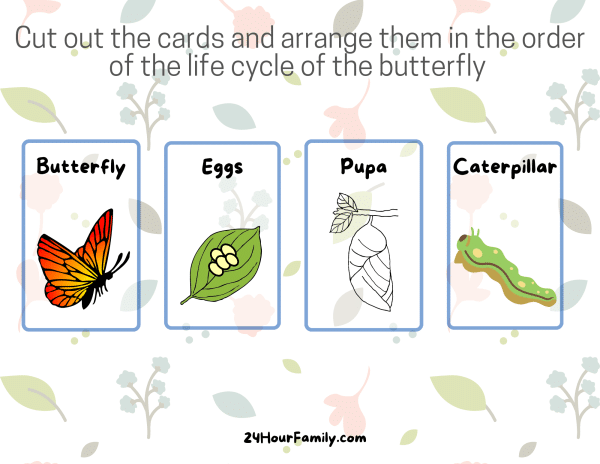
Egg → Caterpillar → Chrysalis → Adult Butterfly
Allow children to rearrange the pieces until they are confident about the sequence.
Paste the Pictures
Once the stages are in the correct order, children can glue them onto the worksheet.
As they work, encourage them to describe what happens during each stage.
The Four Stages of the Butterfly Life Cycle
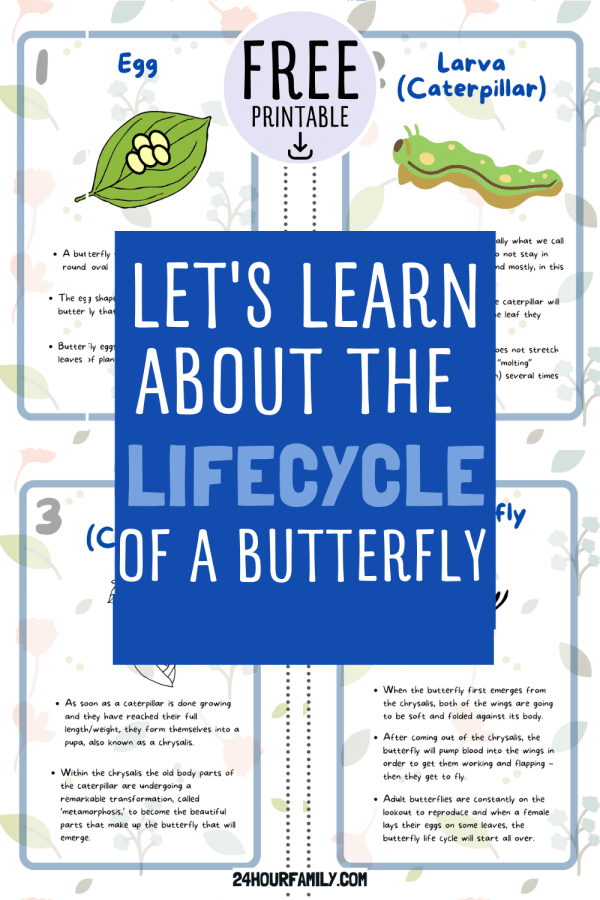
Butterflies experience a process called complete metamorphosis. This means the butterfly changes into several very different forms as it develops.
The four stages are egg, larva, pupa, and adult. Caterpillar is the familiar name for a butterfly larva, while chrysalis is the term commonly used for a butterfly pupa.
Stage 1: Egg
The butterfly life cycle begins when an adult female butterfly lays an egg.
Butterfly eggs are very small and are often attached to a leaf or stem. Many butterflies lay their eggs on specific host plants that the newly hatched caterpillars will be able to eat.
For example, monarch butterflies lay their eggs on milkweed plants.
Stage 2: Caterpillar or Larva
A caterpillar hatches from the egg. This is the larval stage of the butterfly life cycle.
The caterpillar’s primary jobs are to eat and grow. As it becomes larger, it sheds its outer skin several times. These periods between molts are called instars.
Caterpillars can look very different from the adult butterflies they will eventually become.
Stage 3: Chrysalis or Pupa
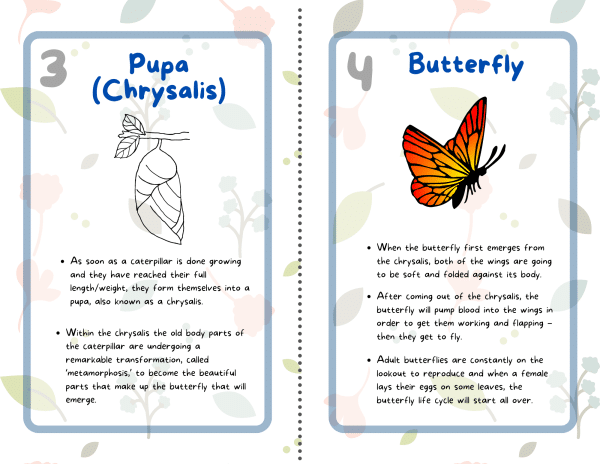
When the caterpillar is fully grown, it enters the pupal stage and forms a chrysalis.
Although the chrysalis may appear still from the outside, an enormous transformation is happening inside. The caterpillar’s body is reorganizing into the body of an adult butterfly.
It is helpful to explain that a chrysalis is not the same thing as a cocoon. Most butterflies form a chrysalis, while many moth caterpillars create a silk cocoon around their pupa.
Stage 4: Adult Butterfly
When its development is complete, the adult butterfly emerges from the chrysalis.
Its wings are initially soft and folded. The butterfly must rest while fluid moves into the wings and they become strong enough for flight.
The adult butterfly can then fly, drink nectar, find a mate, and eventually lay eggs. Those eggs begin the life cycle again.
The butterfly life cycle is a cycle because the adult produces the next generation of eggs.
What Does This Printable Teach?
Although this is a simple cut-and-paste worksheet, it supports several important early learning skills.
Science Skills
Children learn that animals grow and change over time. They also begin using science vocabulary such as:
- Life cycle
- Metamorphosis
- Egg
- Larva
- Caterpillar
- Pupa
- Chrysalis
- Adult
- Sequence
Sequencing Skills
Children must determine which event happens first, next, and last.
Sequencing is important in science, reading comprehension, storytelling, and following multistep directions.
Fine Motor Skills
Coloring, cutting, arranging, and gluing help strengthen the small muscles in a child’s hands.
These skills support handwriting, drawing, buttoning clothing, and other everyday tasks.
Oral Language
Ask children to explain the life cycle after completing the worksheet. Retelling the process helps develop vocabulary, memory, and communication skills.
Butterfly Life Cycle Vocabulary
Use the following words as part of your lesson:
| Word | Child-Friendly Meaning |
|---|---|
| Life cycle | The stages a living thing goes through as it grows |
| Metamorphosis | A major change in an animal’s body as it develops |
| Egg | The first stage of a butterfly’s life |
| Larva | The young form of an insect; a butterfly larva is a caterpillar |
| Caterpillar | The eating and growing stage of a butterfly |
| Pupa | The stage between the caterpillar and adult |
| Chrysalis | The name commonly used for a butterfly’s pupa |
| Adult | The fully developed butterfly |
| Host plant | A plant on which a butterfly lays eggs and a caterpillar eats |
For younger children, concentrate on the four stage names. Older students can begin using the scientific terms larva, pupa, and metamorphosis.
Ways to Use the Butterfly Life Cycle Flashcards
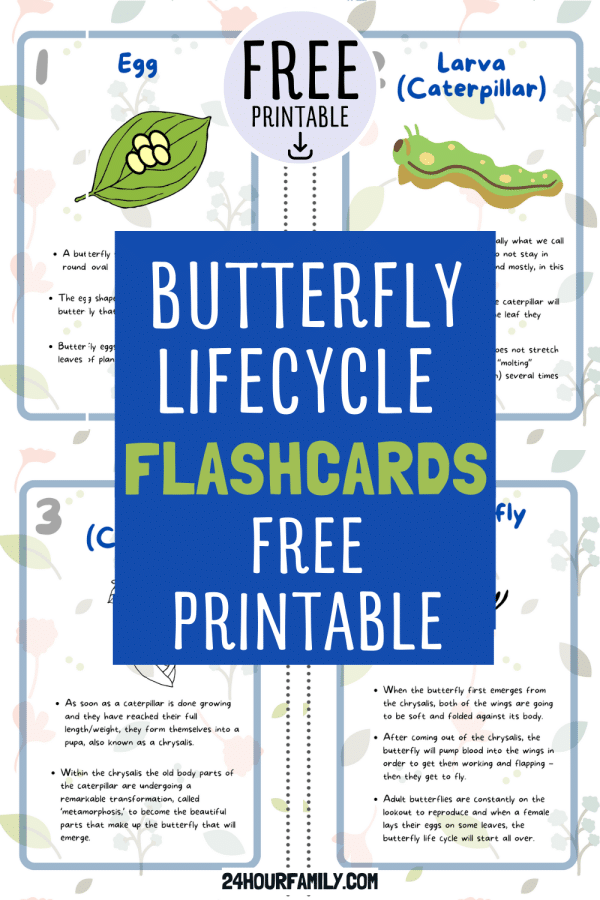
The included flashcards can be used separately from the worksheets.
Put the Cards in Order
Mix the cards and ask children to arrange them from egg to adult butterfly.
After they finish, have them explain why they selected that order.
Create a Science Center
Place the cards in a classroom science center with:
- Butterfly books
- Magnifying glasses
- Artificial flowers
- Toy insects
- Photographs of caterpillars and butterflies
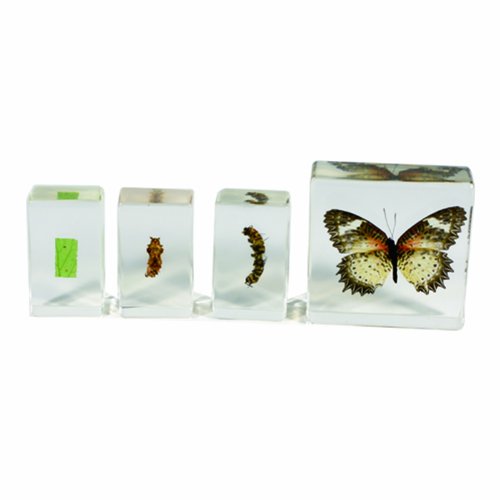
- A butterfly life cycle model
Students can examine the materials and practice sequencing the cards independently.
Play a Missing-Stage Game
Arrange all four cards in order. Ask children to close their eyes while you remove one card.
When they open their eyes, have them identify the missing stage.
Practice First, Next, Then, and Last
Use the cards to introduce sequence words:
- First, the butterfly begins as an egg.
- Next, a caterpillar hatches.
- Then, the caterpillar forms a chrysalis.
- Last, an adult butterfly emerges.
Make a Reusable Matching Activity
Print two copies of the cards and use them as a butterfly life cycle matching game.
For a reusable activity, laminate the cards before cutting them apart.
Butterfly Life Cycle Activities to Try
The printable can become the starting point for a complete butterfly science lesson.
Make the Stages with Play Dough
Invite children to form an egg, caterpillar, chrysalis, and butterfly from play dough.
Arrange the models in a circle to reinforce the idea that the process repeats.
Create a Butterfly Observation Journal
If you are raising caterpillars in a classroom or at home, have children draw what they observe each day.
They can record:
- What the caterpillar is doing
- Changes in its size
- When the chrysalis forms
- What happens before the butterfly emerges
- The appearance of the adult butterfly
Go on a Butterfly Nature Walk
Look for butterflies, caterpillars, eggs, flowers, and possible host plants.
Remind children to observe without touching wild caterpillars or removing eggs from plants.
Read a Butterfly Book
The Very Hungry Caterpillar Book: An excellent book that complements the topic and can be found at your local library or online retailers.
After reading, discuss which parts of the story reflect the real butterfly life cycle.
Make an Edible Butterfly Life Cycle
An edible butterfly life cycle craft is another fun and creative way to teach children about the life cycle of a butterfly. It involves visualizing the four stages of a butterfly’s life cycle using edible materials.
- A small round cereal piece for the egg
- A row of grapes for the caterpillar
- A wrapped snack or fruit piece for the chrysalis
- Pretzels and fruit slices for the butterfly
Always consider food allergies and supervise young children while eating.
Butterfly Kit: Explore the fundamental caterpillar-to-butterfly transformation with kits that allow children to observe this magical process up close.
Butterfly Garden: Create a butterfly habitat in your backyard or classroom to attract and observe adult butterflies.
Questions to Ask Young Learners:
Use these questions to check understanding and encourage scientific thinking:
- What is the first stage of a butterfly’s life?
- What hatches from the egg?
- Why does a caterpillar eat so much?
- What happens inside the chrysalis?
- What comes after the chrysalis stage?
- How is a caterpillar different from an adult butterfly?
- Why is it called a life cycle?
- Where might a butterfly lay its eggs?
- What do you think would happen if a caterpillar could not find its host plant?
There may be more than one reasonable answer to an observation question. Encourage children to explain their thinking.
Recommended Ages and Grade Levels
These butterfly life cycle worksheets are most appropriate for:
- Preschool
- Pre-K
- Kindergarten
- First grade
- Second grade
- Homeschool science
- Early elementary science centers
Preschoolers can focus on identifying and ordering the pictures. Kindergarten and first-grade students can learn the names of the stages, while older children can write sentences explaining complete metamorphosis.
More Free Life Cycle Printables
Continue your science unit with these hands-on life cycle activities:
- Free life cycle worksheets
- Kids printables
- Cut-and-paste worksheets
- Frog life cycle worksheets
- 3D Butterfly Life Cycle Craft
- Life Cycle of a Pumpkin Worksheet
- 10 Stages of a Strawberry Life Cycle Printable
- Pumpkin Life Cycle Diorama
- Praying Mantis Life Cycle (Free Printable)
These activities allow children to compare how plants, insects, and animals grow and change.
Download the Butterfly Life Cycle Worksheets
This free life cycle of a butterfly cut-and-paste worksheet makes it easy to combine science, sequencing, vocabulary, and fine motor practice in one activity.
Print the pages for your spring lesson plans, homeschool nature study, butterfly unit, or classroom science center. Children can color the pictures, put the four stages in order, and use the flashcards to retell how an egg transforms into a butterfly.
Enter your email address below to receive the printable butterfly life cycle worksheets.
