
15 Summer Reading Log Printables – Free To Print
Keeping up with stories during the school break is much easier when kids can see their progress.
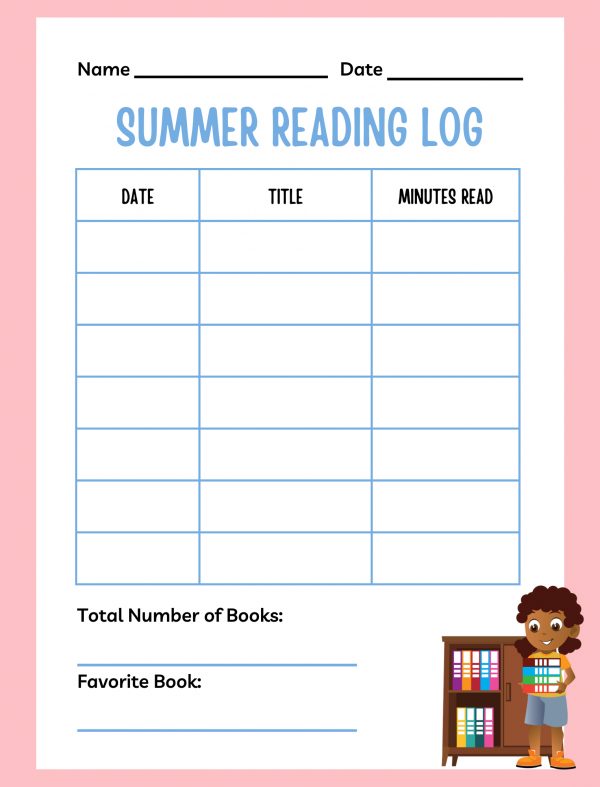
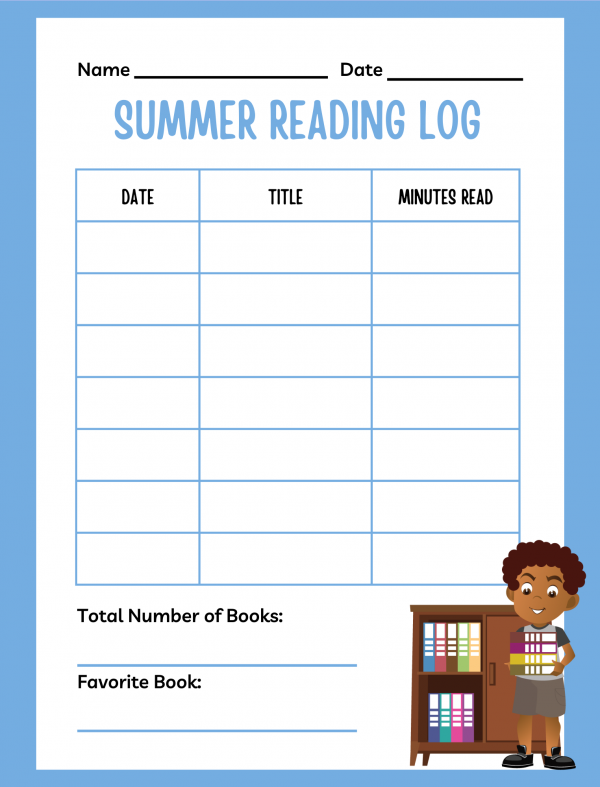
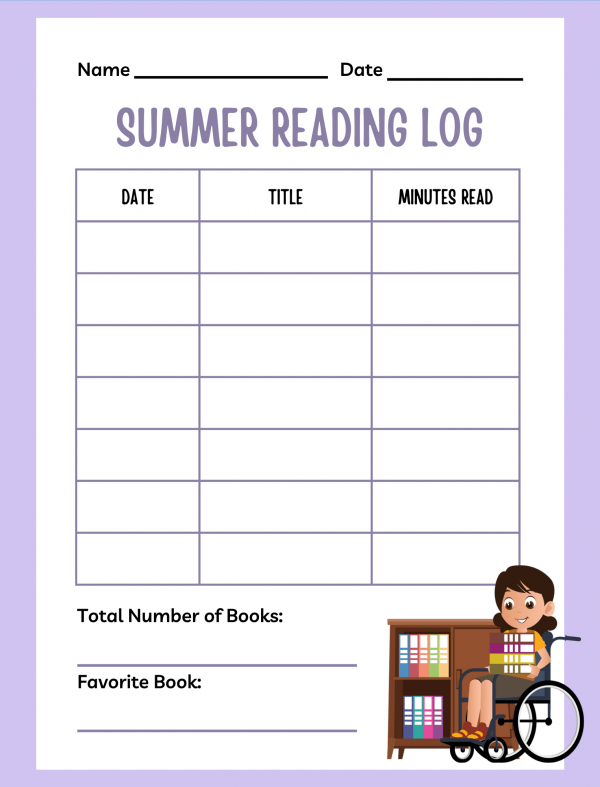
These free summer reading log printables give kids a simple, colorful place to list the titles they finish throughout June, July, and August. I created 15 different options so you can choose the reading log that works best for your child, instead of trying to make one format fit everyone.
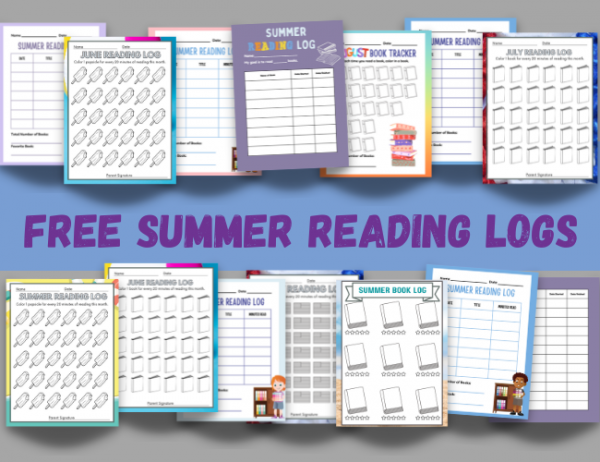
15 Free Summer Reading Log Printables for Kids
Use them for your family’s seasonal reading challenge, homeschool routine, classroom, or to track all those stories disappearing into bedrooms and backseat pockets this summer.
Get the complete 15-sheet free summer reading log pack at no cost. Enter your email below, and I’ll send the PDF straight to you.
What’s Included in the Free Summer Reading Log Printables?
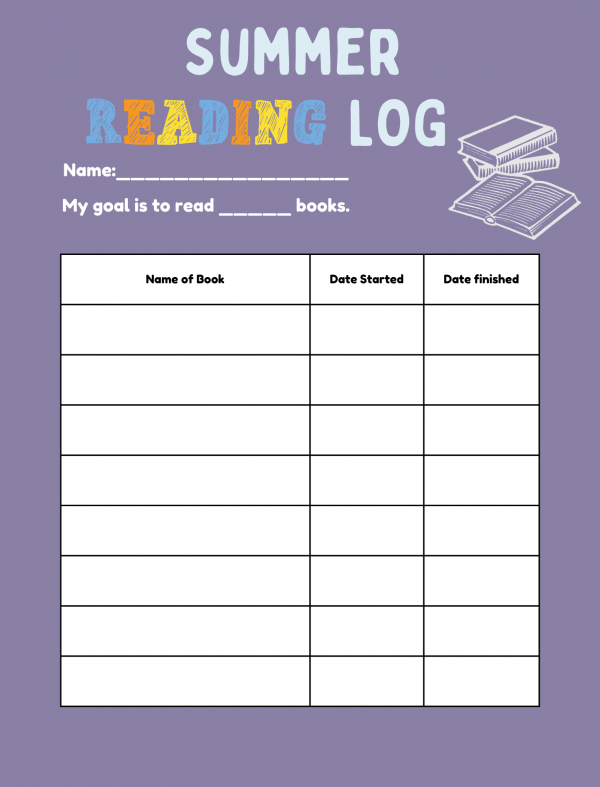
This printable summer reading log includes 15 themed designs to make tracking progress simple for kids.
You can track progress throughout the season, plus use the monthly reading logs for June, July, and August.
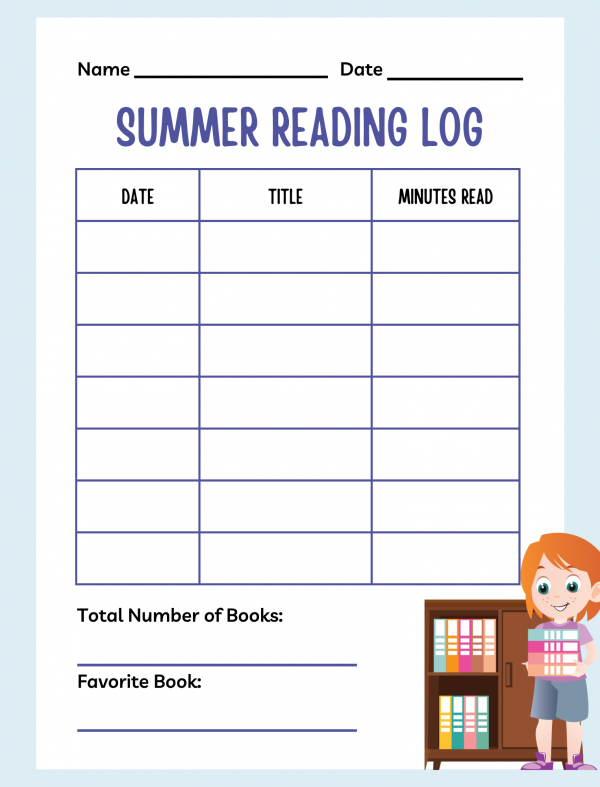
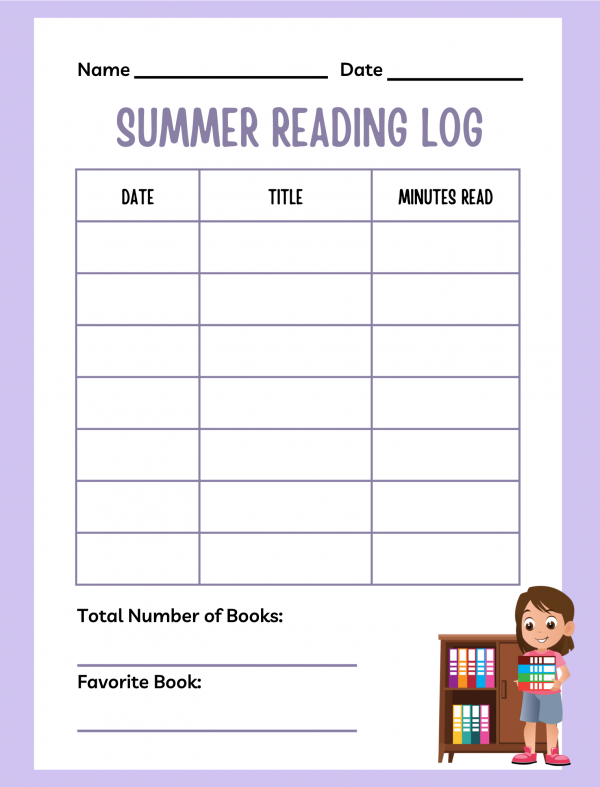
Depending on the design you choose, your child can track details such as:
- Titles
- Authors
- Pages read
- Reading progress
- Stories completed
You don’t need to use all 15 reading log templates.
Print the ones that best fit your child, or let them look through the designs and choose their favorite. Kids who get to pick their own sheet may be a little more excited to use it.
How to Use a Summer Reading Log
It doesn’t need to be a complicated strategy.
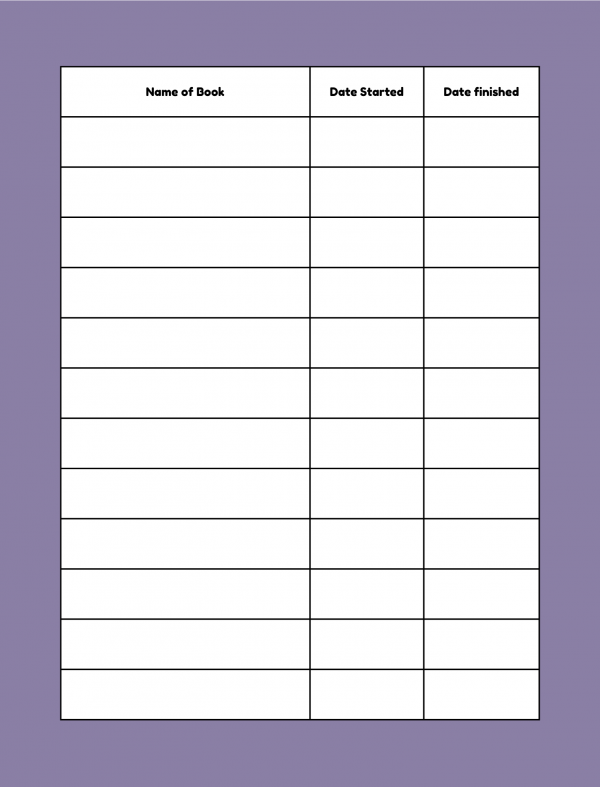
Choose one printable reading log for each child and decide together what you want to track.
For example, your child could keep track of:
- Every title they finish
- The number of pages they read each day
- Their time spent reading
- One book each week
- Titles completed for a local seasonal program
For younger kids, keep it very simple. Writing down a title after you read together still counts.
Older elementary kids may enjoy tracking authors, chapters, or how many titles they can finish before the school year starts again.
The goal isn’t to turn reading into homework. The tracker is simply a visual reminder of how much they’ve already accomplished.
Make Your Own Seasonal Reading Challenge
One fun way to use these free printables is to turn them into a family challenge.
Start by choosing a realistic goal.
Your challenge might be:
- Finish 10 titles before school starts.
- Read for 20 minutes a day.
- Finish one chapter book each week.
- Visit the library twice a month.
- Read one title from a new series.
- Read outside one afternoon each week.
- Have every family member finish five stories.
You can even let each child set a different goal.
A beginning learner and an older sibling probably shouldn’t have identical expectations, and giving kids ownership of their goal can encourage them to keep reading because the challenge feels more like something they chose to do.
Try a June, July, and August Reading Log
The school break can feel endless in June and surprisingly short by August.
Breaking the season into three smaller goals makes progress easier to see and can encourage summer reading without feeling overwhelming.
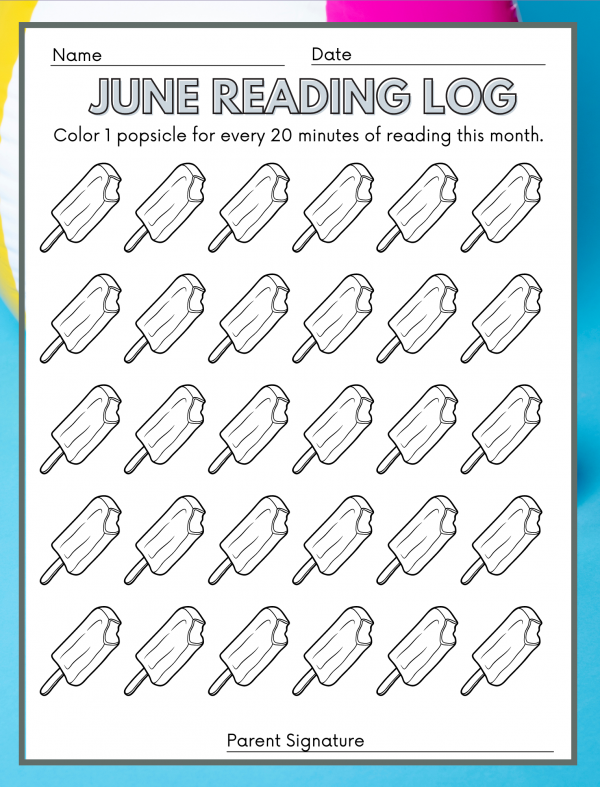
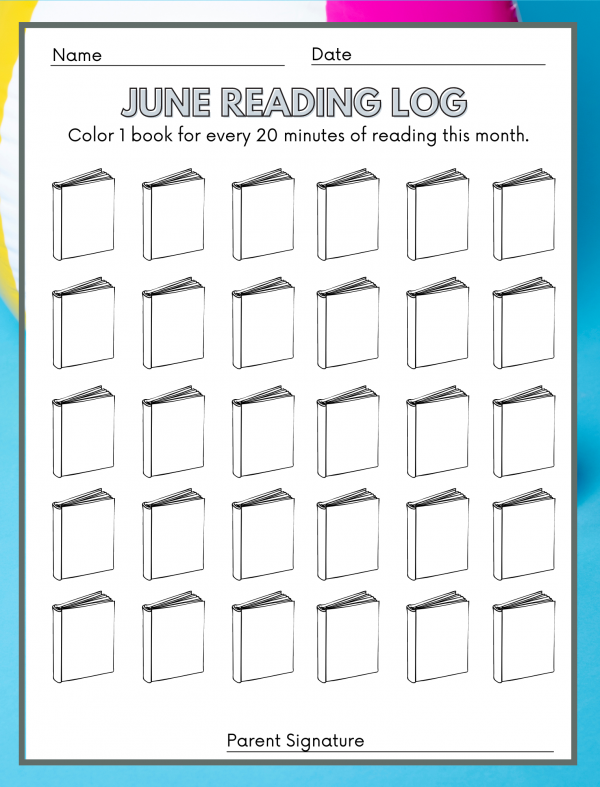
June Reading Log
June is a good time to establish your routine.
Let your child choose some titles they’re genuinely excited about—even if that means revisiting an old favorite.
Getting started doesn’t need to mean choosing the hardest story on the shelf.
July Reading Log
By July, the initial excitement of vacation has usually settled down.
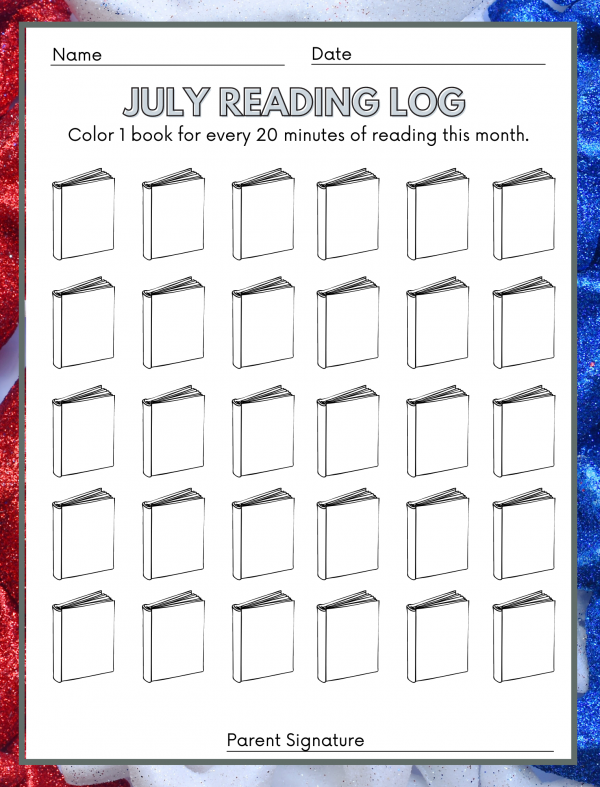
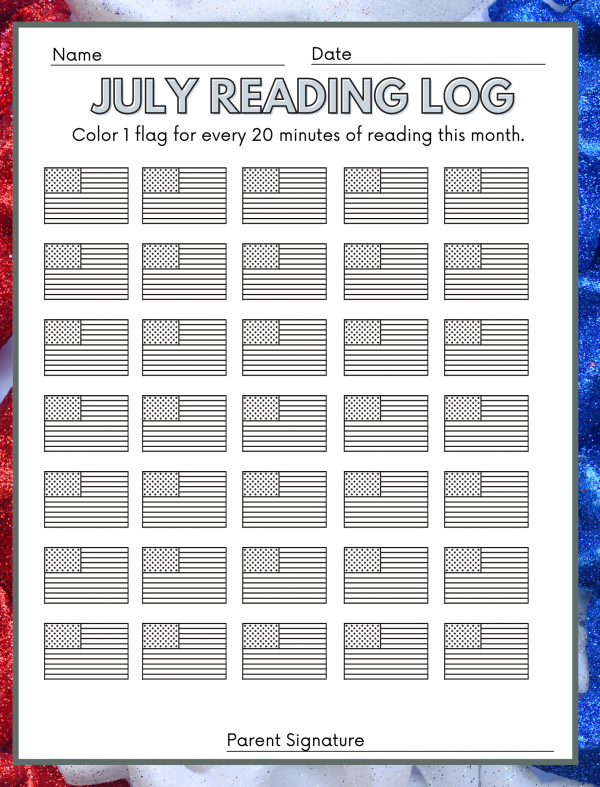
Pull out a fresh July reading log and treat it like a new challenge rather than simply continuing the same sheet indefinitely.
This is also a good time to refresh the stack with mysteries, funny stories, nonfiction, or another chapter title.
August Reading Log
An August tracker gives kids one last chance to see how much they can fit in before regular routines return.
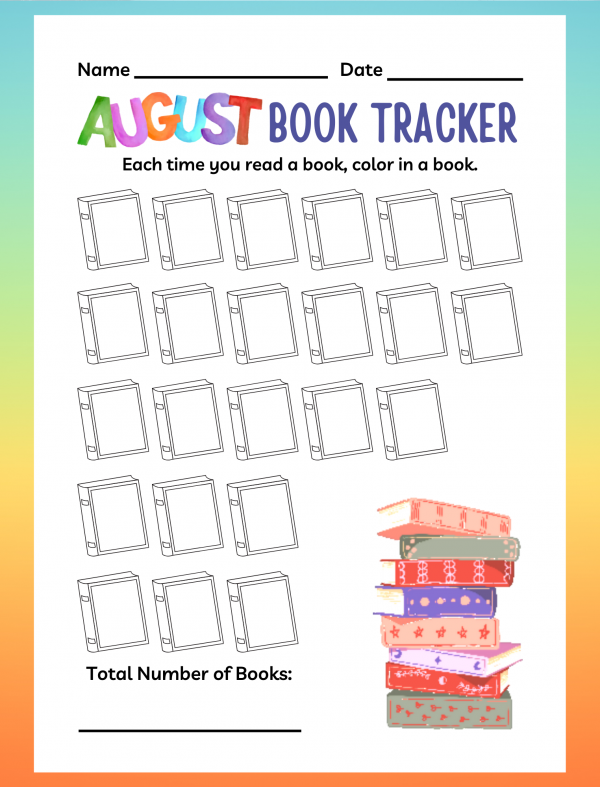
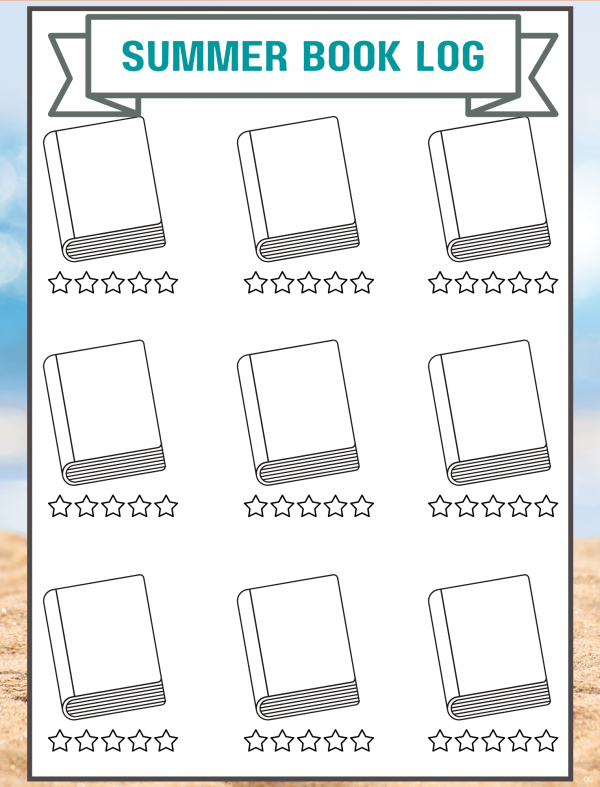
It also creates a nice overview of everything they accomplished summer long.
Put the June, July, and August logs together at the end and count the total number of books or chapters completed.
Reading Logs for Younger Kids
Children don’t need to read independently to participate.
If you share a picture book aloud with your child, add it to the log.
Reading together still gives younger readers the fun of choosing stories, finishing them, and watching their list grow.
For beginners, you could also let them:
- Draw a star beside their favorite titles.
- Color a small section after reading.
- Add a sticker every time they finish a story.
- Tell you the title while you write it down.
- Circle the ones they want to enjoy again.
The worksheet should support reading, not become another task they dread completing.
Use Your Reading Log With a Library Program
Your local library is worth checking during the school break because many offer their own challenges or special programs for kids.
You can use these free printable reading logs alongside whatever program is already available.
Keep the tracker somewhere visible at home and have your child update it afterward. Then you’ll have their progress handy when it’s time to report completed titles or minutes spent reading.
It also gives kids something tangible to check between visits and can help keep kids reading as they work toward their next goal.
Let Kids Choose What They Want to Read
Vacation is a great opportunity to give kids more freedom over their choices.
Not every book has to be educational, challenging, or part of a school list.
Comics, mysteries, silly stories, familiar favorites, graphic novels, nonfiction about their latest obsession, or even a funny princess tale can all help keep a child interested.
If your child is reluctant to pick something up, start with what they already love.
A child fascinated by dinosaurs may happily explore plenty of stories about prehistoric animals while showing zero interest in the novel you hoped they would choose.
That’s okay.
The reading log should celebrate what they’re actually enjoying, not become a list of titles an adult wishes they had chosen.
Create a Simple Reading Routine
You don’t have to schedule an hour-long block every afternoon.
Instead, attach reading to something that already happens during your day and keep the routine flexible.
Try:
- Reading after breakfast
- Quiet time before lunch
- Stories during afternoon rest time
- Reading outside in the shade
- A chapter before bed
- Bringing something to read on road trips
- Keeping a book in the car for waiting times
Even a short, repeatable routine is easier to maintain than an ambitious schedule everyone abandons after the first week.
Keep your printable summer reading log nearby so kids can note their progress while the story is still fresh in their minds.
More Reading and Summer Printables
Keep the summer learning going with these reading resources and seasonal activities that are easy to use at home, during vacation, or for a little extra practice between school years.
- Reading Log – A simple way to keep track of books and encourage consistent reading habits.
- Printable Reading Log With Summary for Kids – A kid-friendly resource that combines book tracking with space to record important details about each story.
- Reading Log Summary for Adults – A practical option for adults who want to organize their reading and keep notes about completed books.
- Summer Symmetry Drawing Worksheets – Seasonal drawing exercises that give kids a fun way to practice observation and visual skills.
- Word Search Summer Printables – Summer-themed word puzzles that are great for quiet afternoons, road trips, or screen-free entertainment.
Download the 15 Free Reading Log Printables
Ready to start your summer reading challenge?
The complete pack includes 15 designs you can use throughout June, July, and August.
Choose one for each child, select a few favorites, or switch to a new reading log whenever one fills up.
Then grab something interesting to read, find a cozy spot, and see how many titles your family can add before vacation ends.
What ages are these reading logs for?
These sheets can work for preschoolers through middle school, depending on how you use them. Younger children may simply list titles with help from an adult, while a 2nd grade student or older child can independently track authors, completed stories, or daily progress.
Can I use these for a classroom reading challenge?
Yes. A teacher can use the free printable reading tracker to help students read during the summer and return with a simple summary of their progress. Each student can choose a goal based on their grade or current skill level.
Do kids need to finish a whole story before adding it?
Not necessarily. You can decide whether kids record completed titles, daily minutes, chapters, or sections. Choose the approach that makes the most sense for your child and helps them keep reading all summer.
Can these logs be used with graphic novels and picture books?
Absolutely. A graphic novel, picture book, nonfiction title, chapter story, or favorite tale can all count. The purpose is to encourage reading, so you don’t need to limit the tracker to a certain type or difficulty level.
Is this a free PDF?
Yes. The complete set is a free PDF containing 15 designs. Subscribe using the form on this site, then follow the instructions you receive to access the file and open the PDF.
How do I download the reading logs?
Enter your email in the form and use the provided button to receive the download. Once you have the file, choose the design you want and print only the sheets you need.
Can I use a calendar instead of tracking completed titles?
Yes. A calendar-style approach works well if you prefer tracking daily habits rather than completed titles. Kids can mark each day they spend reading, making it easy to see how consistently they participate.
How can I make the tracker more fun?
Let your little bookworm decorate the sheet with stickers, add a small illustration beside a favorite title, or create a simple reward for reaching a goal. You can also save the idea to Pinterest so it is easy to find again next year.

Thank you!