
Free Alphabet Do-a-Dot Printables: 26 A–Z Worksheets
These free alphabet do-a-dot printables combine uppercase letter recognition, beginning-letter awareness, handwriting practice, and food vocabulary in one colorful activity pack.
The printable PDF contains 26 pages—one for every uppercase letter from A to Z. Children can fill the circles inside each large letter and corresponding food picture with dot markers. They can then trace the uppercase letter and the name of the featured fruit or vegetable.
From A is for Apple to Z is for Zucchini, these alphabet dot marker worksheets offer a playful way for preschool and kindergarten children to practice their ABCs.

What Is Included in the Alphabet Dot Marker Pack?
The free PDF contains 26 landscape-oriented pages. Each worksheet includes:
- One large uppercase letter
- Dot marker circles inside the letter
- A fruit or vegetable beginning with that letter
- Dot marker circles inside the food illustration
- Four uppercase letters to trace
- The name of the fruit or vegetable to trace
- A colorful border
The activities are presented in a consistent format, so children know what to do as they work through the alphabet.
Please note that this printable focuses on uppercase letters. It does not include large lowercase dot-marker letters.
Printable note: The free 26-page PDF is available near the bottom of this post. You can print the complete alphabet or select individual letter pages.


Alphabet Fruits and Vegetables from A to Z
Each page pairs an uppercase letter with a fruit, vegetable, nut, or other plant-based food whose written name begins with that letter.
The complete A–Z list includes:
- A is for Apple
- B is for Banana
- C is for Carrot
- D is for Dragon Fruit
- E is for Eggplant
- F is for Fig
- G is for Guava
- H is for Hazelnut
- I is for Iceberg Lettuce
- J is for Jackfruit
- K is for Kiwi
- L is for Lychee (The printable uses the spelling lichee. This is an accepted variant of lychee, which is the more common spelling in American English.)
- M is for Mangosteen
- N is for Nectarine
- O is for Orange
- P is for Pineapple
- Q is for Quince
- R is for Radish
- S is for Squash
- T is for Tomato
- U is for Ube
- V is for Vanilla
- W is for Watermelon
- X is for Ximenia
- Y is for Yellow Pepper
- Z is for Zucchini
Most of the food names reinforce a familiar beginning sound, but a few letters require special explanation. Ube begins with the long U sound, and Ximenia begins with the letter X but is pronounced with an initial /z/ sound.
For those pages, focus first on recognizing the printed letter and learning the new food name rather than presenting the word as an example of the letter’s most common sound.
Some of these foods, including quince, ube, Ximenia, and mangosteen, may be unfamiliar to young children. That creates a natural opportunity to introduce new vocabulary and learn about foods from different parts of the world.
The printable spells lychee as “Lichee,” which is an accepted variant, although lychee is the more common spelling in American English.


This post may contain affiliate links. As an Amazon Associate and a participant in other affiliate programs, I earn a commission on qualifying purchases. Read our disclosure policy here.



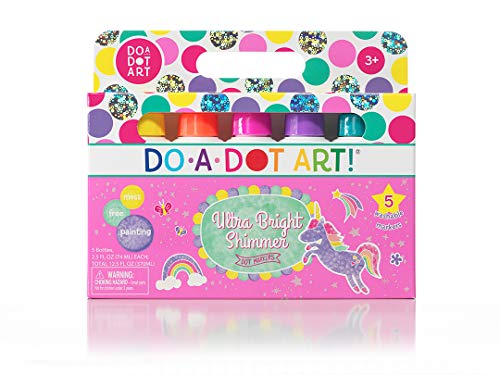
Supplies Needed:
You only need a few supplies to use these printable dot marker worksheets:
- Free alphabet do-a-dot PDF
- White printer paper
- Dot markers or bingo daubers
- Pencil or crayon for tracing
- Paper towel or washable mat, optional
Dot markers are ideal because their round tips fit the circles. However, children can complete the pages even if you do not own daubers.


How to Use the Alphabet Do-a-Dot Worksheets
1. Download the printable
Download the free 26-page PDF near the bottom of this post and save it to your computer.
2. Choose a letter
You do not need to print the entire pack at once. Select one letter for your letter-of-the-week lesson or print only the pages your child needs to practice.
3. Print the worksheet
Printing on ordinary white printer paper works well. Use cardstock if you plan to reuse the pages with loose manipulatives.
The pages are formatted in landscape orientation on US Letter paper. Choose Landscape and Fit to Printable Area in your printer settings.
4. Say the letter and sound
Point to the large letter and ask your child to name it.
For example:
- “This is the letter A.”
- “A makes the /ă/ sound.”
- “Apple begins with A.”
Emphasize the initial sound rather than adding an extra “uh” sound after it.
5. Fill the circles
Invite your child to press a dot marker once inside each circle on the large letter and food illustration.
Encourage one controlled press per circle. This makes the activity good practice for hand-eye coordination and one-to-one correspondence.
6. Trace the letter and word
Use a pencil, crayon, or marker to trace the four uppercase letters at the top of the page. Children can also trace the name of the pictured food.
Say each letter or word aloud while tracing it.
7. Talk about the food
Name the fruit or vegetable, describe its color, and discuss whether your child has ever tasted it.
You might ask:
- Is it a fruit or vegetable?
- What color is it?
- Is it sweet or savory?
- Have you tasted it?
- Where does it grow?
- Can you think of another word beginning with the same letter?


What Are Do-a-Dot Markers?
Do-a-dot markers are chunky, easy-to-hold markers with round sponge tips. They are also called:
- Dot markers
- Bingo daubers
- Bingo dabbers
- Dot paint markers
- Dauber markers
Children press the tip against the paper to create a round spot of color. Unlike ordinary markers, they do not require children to color back and forth across a large space.
The simple pressing motion makes dot markers enjoyable for young learners who are still developing the hand control needed for coloring and writing.


What Ages Are These Worksheets For?
These alphabet dot marker printables are best suited for:
- Preschool
- Pre-K
- Transitional kindergarten
- Kindergarten
- Homeschool kindergarten
- Children receiving additional fine-motor practice
Toddlers may enjoy stamping the circles with close adult supervision, but they may not yet be ready for the handwriting portion.
Children should always be supervised while using markers or small manipulatives.


Learning Skills Practiced
Although these look like simple dot-marker pages, each worksheet supports several early learning skills.
Uppercase letter recognition
The oversized letters help children notice the lines, curves, and overall shapes that distinguish one capital letter from another.
Beginning-letter awareness
Pairing each printed letter with a food word helps children notice that written words begin with letters. Many of the foods also reinforce a familiar beginning sound. A few words, including ube and Ximenia, provide an opportunity to explain that letters can represent different sounds.
Fine-motor development
Grasping, lifting, positioning, and pressing a dot marker exercises the fingers and hands children later use for writing, fastening clothing, and using scissors.
Hand-eye coordination
Children must visually locate each circle and guide the marker to the correct position.
One-to-one correspondence
Placing one dot in each circle reinforces the concept that one action corresponds to one space.
Prewriting and handwriting
The tracing section lets children practice the movements used to form uppercase letters and simple words.
Vocabulary development
The A–Z food theme introduces children to familiar foods and less common choices such as guava, jackfruit, quince, ube, and Ximenia.
Color recognition
Children can identify and sort marker colors or follow a simple color pattern while completing the dots.


Alternatives to Dot Markers
You can still use these worksheets without bingo daubers. Try filling the circles with:
- Round dot stickers
- Crayons
- Washable markers
- Finger paint
- Cotton swabs dipped in paint
- Small pom-poms
- Buttons
- Playdough balls
- Mini erasers
- Counting cubes
- Round magnets on a magnetic tray
Small objects can present a choking hazard. Use them only with children who are developmentally ready and provide continuous adult supervision.
When using reusable pieces, print the worksheet on cardstock and laminate it first.


Turn the Pages into Reusable Activities
Laminating the pages lets children practice more than once without reprinting the entire set.
After laminating, children can:
- Cover each circle with playdough
- Place pom-poms on the dots
- Use washable dot markers
- Trace the letters with dry-erase markers
- Place round magnets over the circles
- Practice the same letter throughout the week
Clean laminated pages according to the marker manufacturer’s directions. Test markers on a corner before using them across the entire page.


Letter-of-the-Week Activities
Use one printable each week as part of a simple alphabet routine.
Introduce the letter
Show the large uppercase letter, say its name, and model its most common sound.
Complete the dot-marker page
Have children fill the circles in the letter and food illustration.
Find more examples
Choose the featured letter’s most common sound and search the classroom or house for objects beginning with that sound. For example, after completing the letter M page, children might find a marker, mug, magnet, or mitten.
Taste the featured food
When practical, offer the featured fruit or vegetable. Comparing a real apple, kiwi, nectarine, or zucchini with its illustration makes the lesson more memorable.
Practice handwriting
Trace the letters and food word on the page. Older children can copy the word onto separate handwriting paper.
Make an alphabet book
Collect the completed pages in alphabetical order and place them in a three-ring binder. By the end of the alphabet study, each child will have a colorful handmade food alphabet book.


More Ways to Use the Alphabet Printables
These worksheets work well in several learning settings:
- Preschool literacy centers: Provide the current letter page with dot markers, crayons, and alphabet cards.
- Morning tubs: Add a laminated page with playdough or reusable counters.
- Early-finisher activities: Keep several pages available for children who finish another activity early.
- Homeschool lessons: Use one page as a low-prep introduction or review during an alphabet unit.
- Summer learning: Practice one or two letters each week to review alphabet recognition.
- Fine-motor practice: Use dot markers, stickers, or playdough to practice controlled hand movements.
- Food-themed units: Include the pages in lessons about gardens, farmers’ markets, plants, and trying new foods.


Alphabet Games to Play with the Worksheets
Letter hunt – After completing a page, ask children to find that letter on book covers, packages, signs, or alphabet cards.
Beginning-sound basket – Collect several small objects or picture cards. Ask children to identify the items beginning with the worksheet’s featured letter.


Dot-marker color pattern – Assign two or three marker colors and create a repeating pattern across the circles.
Roll and dot – Roll a die and add that number of dots to the worksheet. Continue until every circle is filled.
Count the dots – Have older preschoolers count the circles in the large letter or food illustration before filling them.
Letter matching – Pair the uppercase worksheet with a separate lowercase letter card. Discuss how the two forms look different but represent the same letter.


Tips for Less Mess
Dot markers are generally easy to use, but they can release extra ink when children press too hard.
Try these tips:
- Place a washable mat beneath the worksheet.
- Keep paper towels or wipes nearby.
- Model one gentle press before beginning.
- Remind children to lift the marker straight up.
- Replace the cap immediately after use.
- Let completed pages dry flat before stacking them.
- Print on slightly heavier paper if your markers tend to soak through.
- Have children wear a paint shirt if the markers are not washable.
More Alphabet Activities
Continue practicing letter recognition and early writing with these activities:
- Printable Number Playdough Mats
- 10 Free “A” is for Alligator Printable Worksheets
- 8 Letter T Worksheets (Free Printable)
- Cursive Alphabet Chart Printable (Free Template)
- Cursive Writing Chart Printable (Free Template)
- Alphabet Coloring Pages for Kids (Free to Print)
Combining dot-marker pages with coloring, tracing, playdough, and hands-on letter building gives children several ways to explore each letter.
Download the Free Alphabet Do-a-Dot Printables
Download the complete 26-page PDF below. Print the entire alphabet to make an A–Z food book or choose individual pages for letter-of-the-week lessons.
Grab your dot markers, choose a letter, and begin learning the alphabet one colorful dot at a time!
How many pages are included?
The PDF contains 26 pages, with one activity page for every letter from A through Z.
Does the pack include uppercase and lowercase letters?
The large do-a-dot letters and letter-tracing practice are uppercase. The pack does not contain a separate large lowercase dot-marker alphabet.
What size paper should I use?
The worksheets are formatted for US Letter paper in landscape orientation.
Are the worksheets in color?
The activity areas are black and white, while each page includes a colored border. Children add color with their dot markers, crayons, or other materials.
Can I print only certain letters?
Yes. Use the page-range option in your print menu to select only the letters you need.
Do I need Do-a-Dot brand markers?
No. Any child-friendly dot marker or bingo dauber can work. Children can also use stickers, crayons, paint, or reusable manipulatives.
Can I use these in a classroom?
The printable may be used for personal, homeschool, and individual classroom use. It may not be sold, shared online, or redistributed as a separate digital file.
This printable is intended for personal, homeschool, and classroom use. Please do not sell, redistribute, or upload the PDF to another website.
