
A Beginners Guide to Bullet Journaling
Bullet journaling has become a popular, creative, and best way to organize your life. In this guide, we’ll walk you through a Beginners Guide to Bullet Journaling, from setting up your first bullet journal to creating inspiring spreads.
This system, created by Ryder Carroll, combines planning, reflection, and creativity all within a blank notebook. It’s a tool for bullet journal beginners, professionals, and students alike, offering a blank page to design your planning system exactly how you want it.
A Beginners Guide to Bullet Journaling: A Simple Guide to Get Started
You’ll discover why this method is a great way to stay organized and mindful while embracing creativity. Whether you want to manage your tasks, track habits, or explore a creative outlet, a bullet journal can cater to your needs.
What is a Bullet Journal, and why should I start one?
A bullet journal is an all-in-one planning and journaling system. It’s a notebook where you track daily to-do lists, important dates, monthly tasks, and even mental health practices. Combining functionality with creativity, it’s a tool to plan your life while reflecting on what’s important.
The Bullet Journal Method
At its core, the bullet journal method consists of:
- Rapid Logging: Using bullet points, symbols, and short notes to record tasks, events, and ideas quickly.
- Migration: Moving tasks or notes from one page to another, ensuring nothing is forgotten.
- Collections: Dedicated pages for specific topics, like goal tracking, meal planning, or books to read.
It’s a planning system that encourages mindfulness and productivity while being customizable to your needs. The best thing about a bullet journal is that it’s not one-size-fits-all—it’s your system.
Why You Should Start a Bullet Journal
Bullet journaling isn’t just about staying organized; it’s about enhancing your life. Here are some reasons to dive in:
- Improved Organization: Keep everything in one place, from daily logs to your future logs.
- Creativity and Self-Expression: Turn blank pages into personalized works of art.
- Mindfulness: Reflect on your day, track habits, and set meaningful goals.
- Flexibility: Adapt your journal to your own needs, whether it’s for work, school, or personal growth.
Benefits of Bullet Journaling
- Stay Organized and Productive: With a bullet journal, you can keep everything in one place. Whether it’s a daily log, a monthly task list, or your favorite things to track, everything has a spot. Do you need to plan for the next day or an entire year? You’re covered. Plus, those page numbers and indexes? Total game-changers for finding stuff fast.
- Get Mindful and Reflective: Taking time to jot down your thoughts helps you focus on what really matters. Whether tracking your current month, dreaming up new ideas, or celebrating good news, a bullet journal makes mindfulness easy (and fun).
- Unleash Your Creativity: This is where the magic happens! You can design layouts, use fun supplies like fountain pens, and create spreads that scream at you. Experiment with doodles, colorful bullet points, or even horizontal lines to make your journal your happy place.
- Make Time Work for You: Bullet journaling is like having a personal assistant that helps you prioritize. Plan your days, track upcoming events, and keep an overview of the month ahead—all while leaving enough room for free time. (Who doesn’t need that?)
Who Can Benefit from Bullet Journaling
Bullet journaling is for anyone who wants to level up their organization, productivity, or mindfulness. Students can use it to manage assignments and keep track of important dates (hello, exam prep). Busy professionals can organize meetings, tasks, and long-term projects without missing a beat.
Parents can juggle schedules, meal plans, and family goals in one spot. No matter your lifestyle, it’s a powerful tool to help you stay on top of tasks, set goals, and even carve out time for yourself. Plus, it’s customizable—so you can make it work for you, whether planning your week or just tracking your favorite things.
Essential Supplies for Your First Bullet Journal
Starting your bullet journal journey needs a few key supplies. The right notebook, pens, and decorations can make a big difference. They help create a planner that’s both useful and pretty. Let’s look at the must-have items for your first bullet journal.
Choosing the Right Notebook
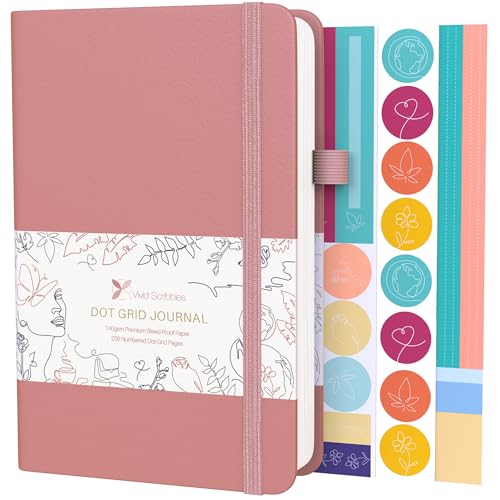
The heart of your bullet journal is the notebook. Look for one that’s high-quality and has a dotted or grid pattern. These layouts help you stay organized and plan well. Think about the paper’s weight, how many pages it has, and its size to find the perfect one for you.
Pens and Markers
Get a set of pens that write smoothly and come in different colors. Fineliners, ballpoint pens, and brush pens are great for bullet journals. They let you write clearly, make nice headings, and add decorations. Try out different pens to find your favorites.
Decorative Supplies
- Washi tape: These tapes come in many patterns and colors, adding a personal touch to your pages.
- Rulers: A simple ruler helps you draw straight lines and make your layouts look good.
- Stencils: Shapes, icons, and lettering stencils can make your bullet journal designs stand out.
- Highlighters: Bright highlighters can highlight important tasks or notes.
The beauty of a bullet journal is in making it your own. Try out different supplies to see what works for you. Start with the basics and add more as you get better at journaling.
Choosing the Right Notebook for Your Bullet Journal
Starting your bullet journal journey? The notebook you pick can really change your experience. You’ll find many options, from dotted to grid paper. Brands like Leuchtturm1917 and Moleskine are popular for their quality and variety.
Types of Notebooks Available
- Dotted notebooks: These have a dot pattern for a structured layout but without the lines of traditional notebooks.
- Grid paper notebooks: Perfect for those who like a more organized bullet journal with a clear grid pattern.
- Blank notebooks: Great for the creative, offering a blank space for your unique designs and layouts.
Paper Quality Considerations
The paper quality is key in a bullet journal notebook. Look for thick, acid-free paper. It should handle writing, sketching, and different pens well, without smudges or ghosting.
Size and Portability Factors
The notebook’s size affects how easy it is to carry around. Choose small sizes for convenience or larger ones for more space and detailed layouts.
Basic Bullet Journal Components and Symbols
Learning the basics of a bullet journal is crucial. It’s all about the bullet journal key. This key is like a legend explaining your journal’s symbols and signs.
The rapid logging method is key. It lets you jot down your tasks, events, and notes fast. Each entry has its symbol, like a dot for tasks, a circle for events, and a dash for notes.
- Tasks are marked with a simple dot (•)
- Events are denoted by a circle (○)
- Notes are indicated by a dash (–)
These signifiers make it easy to jot down info quickly. They help you tell apart different types of entries. You can also create your symbols as you get more comfortable.
| • | Task |
| ○ | Event |
| – | Note |
By learning these basics, you’ll create a bullet journal that’s truly yours. It will help you stay organized and productive every day.
Setting Up Your Index and Key Pages
Organizing your bullet journal is key to keeping it efficient. The index and key pages are essential. They help you navigate and use your journal to its fullest.
The bullet journal index is like a table of contents. It lets you find specific pages and info quickly. Start by numbering your pages to create a solid index.
- Dedicate the first few pages to the index.
- Keep track of page numbers and entries as you fill your journal.
- Update your index often to keep it accurate.
Designing Your Personal Key
The customized key is a special part of bullet journaling. It’s a legend that lets you use symbols for different things. A personalized key makes your journal more efficient.
- Try out different symbols that mean something to you.
- Use the same symbols for the same things, like circles for tasks.
- Check your key often to use symbols correctly.
Navigating your bullet journal is easy with a clear index and a personalized key. These basics help you stay organized and find what you need fast. They make your bullet journaling experience better.
Creating Your Future Log and Monthly Spreads
Starting your bullet journaling journey? The future log and monthly spreads are key. They help you plan, set goals, and stay organized all year.
The future log is like a calendar for the months and years ahead. Write down important dates and events to stay ready. It gives you a big picture of your future planning.
Monthly layouts give a closer look at each month. Use them to track daily tasks and deadlines. Many also set monthly goals here to guide their progress.
- Leverage the future log to map out long-term events and commitments
- Utilize monthly layouts to plan your days and weeks in detail
- Incorporate goal-setting into your monthly spreads for greater productivity
- Experiment with different layout styles to find what works best for your needs
Mastering future planning and monthly layouts will make your bullet journal better. Use these tools to grow and succeed in your way.
Daily and Weekly Layout Ideas for Beginners
Starting with bullet journaling means creating daily logs and weekly spreads. These are the basics for staying productive and organized. Beginners can try different layouts to find what works best for them.
For daily layouts, keep it simple. Use sections for your daily logs, tasks, and notes. This design is easy to adjust to fit your life and work style.
Weekly Spread Variations
- The classic weekly spread: Divide pages into seven sections for each day. Use it to plan your weekly schedules and tasks.
- Grid-style weekly spread: Organize your week in a grid. This helps you see your schedule clearly and spot any issues.
- Hourly weekly spread: Use time slots to prioritize your tasks and balance work and life.
Time Management Tips
Good time management is key in bullet journaling. Try the Pomodoro Technique for focused work and breaks. Reviewing your daily logs and weekly spreads helps you plan better and make smart time choices.
| Layout Option | Key Features | Benefits |
|---|---|---|
| Simple Daily Layout | – Includes daily logs, task prioritization, and notes – Minimalist and easily customizable | – Streamlines daily tasks and activities – Provides a clear overview of your day |
| Classic Weekly Spread | – Promotes productivity and work-life balance – Enhances task prioritization and time-blocking | – Offers a comprehensive view of your week – Facilitates effective time blocking and planning |
| Grid-style Weekly Spread | – Arranges activities and tasks in a grid format – Allows for easy visualization of your weekly schedule | – Identifies gaps and overlaps in your time – Supports better time management and task prioritization |
| Hourly Weekly Spread | – Allocates specific time slots throughout the week – Ensures a balanced work-life schedule | – Promotes productivity and work-life balance – Enhances task prioritization and time blocking |
“Organizing is what you do before you do something, so that when you do it, it is not all mixed up.” – A.A. Milne
Habit Tracking in Your Bullet Journal
Tracking your habits can help you grow and reach your goals. Adding habit trackers to your bullet journal lets you see your daily habits. This helps you stay on track with the changes you want to make.
Habit tracking lets you see your progress. You can use a simple grid or chart to log your habits. This makes it easy to spot patterns and celebrate your wins. Seeing your efforts can motivate you to keep going.
Designing Effective Habit Trackers
There are many ways to set up habit trackers in your bullet journal. You can use a monthly tracker or a weekly one. The most important thing is to make it look good and be easy to use.
- Try out different designs, like boxes or circles, to find what you like.
- Make your habits specific and easy to measure.
- Use colors or shading to show your progress.
- Add motivational quotes or stickers to keep you excited.
Being consistent with habit tracking is key. It helps you understand your life better and celebrate your achievements.
“The secret of getting ahead is getting started.” – Mark Twain
Habit tracking in your bullet journal is a great way to reach your goals. It helps you become more aware of yourself and more productive. This practice allows you to find new levels of happiness and fulfillment.
Collections and Lists: Organizing Your Life
A bullet journal is great for making personalized collections and lists. These pages turn your journal into a powerful tool for organizing. They help you manage your life and reach your goals more easily.
There are many types of bullet journal collections. You can have lists for reading, travel, recipes, and hobbies. These pages help you keep track of what’s important to you.
Creating Functional Lists
- Master lists: These are detailed lists of tasks, projects, or important info.
- Checklists: They help you remember steps in a process, like your morning routine or packing for a trip.
- Brainstorming pages: Use these to jot down ideas and inspirations freely.
Personal Goals Tracking
Bullet journals are perfect for tracking personal goals. Set up pages for your goals, break them down, and track your progress. This keeps you focused and motivated towards your dreams.
| Collection Type | Purpose | Example |
|---|---|---|
| Reading List | Track books you want to read | Fiction, non-fiction, personal development |
| Habit Tracker | Monitor your daily habits | Exercise, meditation, hydration, etc. |
| Meal Plan | Organize your weekly meals | Breakfast, lunch, dinner, snacks |
Adding these collections and lists to your bullet journal makes it personal. It helps you stay organized and reach your goals. Use your bullet journal to organize your life in a way that works for you.
Color Coding and Simple Decoration Techniques
Adding color and simple designs to your bullet journal can make planning fun. It turns your journal into a personal art piece. This boosts both your productivity and self-expression.
Explore the Power of Color
Color coding is a big help for bullet journal fans. Use different colors for work, personal goals, and other areas of life. This makes it easy to spot important info quickly, making your journal more useful and pretty.
- Try bold, bright colors or a calm, simple palette.
- Highlight with pens, markers, or washi tape for color bursts.
- Match your colors with your journal’s style for a unified look.
Embrace the Art of Doodling
Doodling is a fun way to make your journal unique. You can draw simple shapes or detailed pictures. Let your creativity flow.
- Begin with basic shapes like stars or hearts for simple designs.
- Add doodles to your weekly or monthly layouts for charm.
- Play with different tools like colored pencils or markers for your colors.
Adding color and decorations to your bullet journal makes it more than just a tool. It becomes a beautiful, inspiring friend. By showing your style, you make a journal that truly shows who you are and helps you stay organized.
| Technique | Benefits | Examples |
|---|---|---|
| Color Coding | Improved organization and visual clarity | Assigning specific colors to different categories (work, personal, etc.) |
| Doodling | Personalization and self-expression | Simple shapes, patterns, and illustrations |
| Minimalist Designs | Streamlined aesthetics and enhanced focus | Geometric shapes, monochrome palettes, and clean layouts |
Common Mistakes to Avoid When Starting Out
Starting a bullet journal is super exciting. But as a beginner, it’s easy to hit a few speed bumps along the way. Don’t worry—we’ve all been there. Avoid these common mistakes to make your bullet journaling experience smooth, fun, and oh-so-fulfilling. Let’s dive in!
Overcomplicating Your Layouts
Here’s the thing: Bullet journaling doesn’t have to look like a Pinterest masterpiece (unless you’re really into that). Many newbies fall into the trap of trying to cram in fancy fonts, elaborate doodles, and perfectly symmetrical spreads immediately. It can feel overwhelming—and fast.
Instead, keep it simple. Think clean lines, basic shapes, and layouts that work for your needs. Not an artist? No biggie! A minimalist layout can be just as effective (and less stressful). Remember, the goal is to create something that helps you stay organized and productive, not to make an art portfolio (unless that’s your vibe—then go for it!).
Pro Tip: If you love decorating but feel unsure, start small. Add one doodle or sticker per page and build from there. Simplicity first; flair later!
Setting Unrealistic Expectations
Raise your hand if you’ve ever scrolled through social media and thought, Why doesn’t my bullet journal look like that? (We’re all guilty.) It’s easy to fall into the comparison trap, but let’s get real: no one’s bullet journal always looks perfect—not even the pros.
Your bullet journal should work for YOU. Whether it’s messy, colorful, black-and-white, or filled with crossed-out tasks, it’s totally fine. The magic of bullet journaling is that it’s completely personal. Forget the social media pressure and focus on your own needs and style.
Pro Tip: If you’re feeling stuck, set small, realistic goals. For example, aim to fill one page this week or experiment with a simple habit tracker. Progress over perfection!
This post may contain affiliate links. As an Amazon Associate and a participant in other affiliate programs, I earn a commission on qualifying purchases. Read our disclosure policy here.



Time Management Pitfalls
Let’s talk time management—or lack thereof. It’s easy to get caught up spending hours decorating your journal while forgetting the main point: planning and organizing your life! Here are a few common time management mistakes:
- Spending too much time on decorations and not enough on actual planning.
- Missing daily or weekly entries can lead to a task backlog (yikes).
- Ignoring self-care and balance reduces the benefits of bullet journaling.
To manage your time better, plan realistically and set achievable goals. Simplify your layouts if needed. Remember, the true value of a bullet journal lies in its ability to boost productivity and well-being—not just how pretty it looks.
Pro Tip: Use a timer for decorating and planning. Allocate 10 minutes for flair and the rest for functional planning to strike a balance.
Maintaining Consistency with Your Bullet Journal
Consistency is the secret sauce to unlocking the full potential of your bullet journal. Think of it as planting a garden—the more regularly you tend to it, the more it thrives.
When bullet journaling is a natural part of your daily routine, you’re setting yourself up for long-term success with this versatile organization method. The best part? It’s not just about getting things done but also about creating a system that evolves with you.
Establishing a Journaling Routine
If you’re serious about staying consistent, establishing a regular journaling routine is a game-changer. Choose a specific time of day—whether it’s sipping coffee in the morning or unwinding before bed—and dedicate that time to your journal. (Pro tip: Tie it to a habit like your morning coffee or bedtime skincare routine. The association makes it harder to forget!)
To make this time sacred, minimize distractions. Put your phone on silent, find a cozy spot, and let your journaling ritual be a moment of calm. Over time, this routine will feel as natural as brushing your teeth—but way more rewarding.
A Beginners Guide to Bullet Journaling
Let’s face it—even the most enthusiastic bullet journalists can hit a slump. Here are some tried-and-true ways to keep your motivation high:
- Set Achievable Goals: Start small and work your way up. Whether tracking water intake or planning a weekend getaway, every little win counts. (And crossing off tasks feels so satisfying, right?)
- Join a Community: Surround yourself with like-minded bullet journal enthusiasts online or in person. Instagram, Pinterest, and Reddit are treasure troves of inspiration and support. Seeing others’ creative spreads can spark fresh ideas and keep you excited.
- Experiment with Designs: Don’t be afraid to play around with layouts, themes, and colors. One week, try a minimalist black-and-white look; the next, go wild with washi tape and doodles. Keeping your journal visually engaging makes you want to keep coming back.
Holding Yourself Accountable
Accountability can be the glue that holds your bullet journaling habit together. Sharing your progress with others—whether it’s a close friend, a partner, or even your Instagram followers—can create a sense of responsibility that keeps you on track. Plus, it’s always fun to swap tips and ideas.
Another great way to stay accountable is by regularly reviewing your journal. Dedicate time each week to reflect on what worked, what didn’t, and what you can improve. Treat this review as a check-in with yourself, a chance to recalibrate and adjust your plans. It’s not just about holding yourself accountable but also about celebrating how far you’ve come.
| Habit | Frequency | Motivation | Accountability |
|---|---|---|---|
| Daily Journaling | Once a day, at the same time | Set achievable goals, join a supportive community | Share progress with a friend, review journal regularly |
By following these strategies, you’ll not only stay consistent but also transform your bullet journal into a tool that boosts your productivity, creativity, and overall motivation. Remember, it’s not about being perfect. It’s about showing up consistently and making it work for you.
Digital vs. Traditional Bullet Journaling
The debate between digital and traditional bullet journals is ongoing. Each has its benefits, meeting different needs and preferences.
Pros and Cons of Each Method
Digital bullet journals are convenient and accessible. They offer cloud storage, easy editing, and quick note organization. Yet, some miss the touch and mindfulness of writing on paper.
Traditional bullet journals are more hands-on and personal. Writing and designing your journal can be therapeutic and creative. They also help you stay focused and productive by disconnecting from digital distractions.
Hybrid planning systems offer a middle ground. They use digital tools for organization and backup but keep the physical journal for hands-on planning. This way, you get the best of both worlds.
Choosing the Right Format
Choosing between digital, paper, or hybrid planning depends on your needs and lifestyle. Think about what matters most: portability, organization, or flexibility. Try out different methods to see what works best for you.
“The key is to find the system that works best for you and your unique needs, whether that’s digital, traditional, or a blend of the two.”
Incorporating Mindfulness and Self-Care Pages
Bullet journaling is more than just planning tasks. It’s a way to practice mindfulness and self-care. By adding pages for gratitude, mood tracking, and reflection, you can use your journal to improve your well-being.
Gratitude Logs: Cultivating Positivity
A gratitude log is a simple yet powerful addition to your journal. Set aside a page to write down things, people, or moments you’re thankful for. This can change your outlook, making you more positive and appreciative daily.
Mood Trackers: Monitoring Your Emotional Landscape
Tracking your mood can reveal a lot about your emotions. Create a mood tracker page with symbols, colors, or numbers to show your feelings. This can help you find self-care areas and make better choices.
Reflection Pages: Exploring Personal Growth
Reflection pages in your journal can help you discover yourself. Use them to write about your thoughts, values, and goals. Questions like “What am I grateful for today?” can help you understand yourself better.
Adding self-care spreads, gratitude logs, mood trackers, and reflection pages to your journal makes it more than just a planner. It becomes a tool for mindfulness and personal growth. This can lead to better self-awareness, emotional health, and fulfillment.
Adapting Your Bullet Journal for Different Life Areas
The bullet journal system is incredibly versatile. You can boost your productivity in many areas by making it fit your specific needs. Whether for work, school, managing finances, or projects, the bullet journal can be tailored to suit you.
Professionals can use the bullet journal to plan their work better. Set up sections for quarterly goals, monthly tasks, and weekly plans. This helps keep your work priorities clear. Use habit trackers to see how you’re doing on important tasks. The bullet journal’s quick logging feature is great for jotting ideas and tasks anytime.
Students also find the bullet journal very helpful. It helps organize class schedules, track assignments, and keep track of academic progress. Try out mind maps and visual notes to improve your learning. The bullet journal’s flexibility is key to staying organized and focused in school.
What is a bullet journal, and how does it work?
A bullet journal is a customizable system for organizing your life. It uses quick logging to plan, track, and manage tasks. It blends a to-do list, calendar, and notebook into a personal tool for productivity and self-reflection.
What are the benefits of using a bullet journal?
Using a bullet journal can improve your organization and productivity. It also enhances mindfulness and lets you personalize your planning. It helps you stay on track, set goals, and live more intentionally.
Who can benefit from using a bullet journal?
Many people can benefit from bullet journaling. This includes students, professionals, entrepreneurs, and anyone wanting better time management and organization. It’s flexible and can be tailored to fit individual needs.
What essential supplies do I need to start a bullet journal?
You need a dotted or grid notebook, a quality pen, and optional decorations like washi tape or highlighters to start a bullet journal. Choose supplies that match your style and needs.
How do I choose the right notebook for my bullet journal?
When picking a notebook, consider paper quality, layout, size, and portability. Popular choices include the Leuchtturm1917 and Moleskine. But any high-quality notebook can work for you.
What are the core components of a bullet journal?
The key parts of a bullet journal are the index, key, rapid logging system, and signifiers. These help organize your journal and make finding information easy.
How do I set up my bullet journal’s index and key pages?
Setting up an effective index and key is crucial. The index helps you find information quickly, while the key explains your symbols and colors. Numbering pages and customizing your key improves navigation.
What types of layouts and spreads should I include in my bullet journal?
Include layouts like future logs for planning, monthly spreads for overviews, and daily/weekly logs for task management. You can also add collections and lists for different areas of your life.
How can I use habit tracking in my bullet journal?
Habit tracking in a bullet journal helps monitor progress on goals and behaviors. By creating habit tracker pages, you can see your consistency and make adjustments for growth.
What are some common mistakes to avoid when starting a bullet journal?
Avoid overcomplicating layouts, setting unrealistic goals, and neglecting time management. Start simple, focus on what works for you, and build a sustainable practice.
Camping Journal Printable – Keeping a camping journal is a great way to make the most of these experiences.
Free Junk Journal Vintage Printables – This helps to reduce waste, recycle memories, and promote sustainability.
10 Free Printable Junk Journal Ephemera Pages – This allows you to create your journal embellishments without purchasing pre-made items, saving money in the process.
How can I maintain consistency with my bullet journal?
To stay consistent, build a routine, set reminders, and find motivation. Adding self-care and mindfulness practices can help keep your journaling habit.
What are the differences between digital and traditional bullet journaling?
Digital bullet journaling offers convenience and searchability, while traditional journals provide a tactile experience. Many use a hybrid approach that combines both.
How can I incorporate mindfulness and self-care into my bullet journal?
Use your bullet journal for mindfulness and self-care. Create pages for gratitude, mood tracking, and reflection to enhance your well-being and growth.
How can I adapt my bullet journal for different areas of my life?
Adapt your bullet journal for work, school, finances, or projects. Use specific layouts and collections to manage various aspects of your life effectively.
