
How to Make Playdough That is Gluten-Free
Homemade gluten-free playdough is an excellent substitute for kids with gluten sensitivity and wheat allergies. So, how do you make gluten-free playdough? Thanks to this homemade recipe, kids may still enjoy the squishy, moldable playdough fun without worrying about the negative consequences of gluten.
Parents can easily make safe and non-toxic playdough for children using basic ingredients like cream of tartar, rice flour, and cornstarch. Let me guide you through simple steps on how to make gluten-free playdough.
This post may contain affiliate links. As an Amazon Associate and a participant in other affiliate programs, I earn a commission on qualifying purchases. Read our disclosure policy here.
Dry Ingredients:
- White Rice Flour or gluten-free flour
- Cup Corn Starch
- Cream of Tartar
Wet Ingredients:
- Vegetable Oil or Coconut Oil
- Liquid Food Colouring: Green, Blue, Red, Orange
- Essential Oils (optional)
- Craft Glitter or Edible Glitter For Sparkle (Optional)
Tools:
- Spatula
- Mixing basin or medium 2-quart saucepan
- Clay Moulding tools
- Piece of Parchment Paper
- Air-tight Container
Gluten-Free Playdough Recipe:
It requires six staple ingredients and takes fifteen minutes to prepare—longer than it takes to prepare store-bought playdough.
This is a really simple homemade playdough recipe that you will enjoy. Most homemade versions I’ve seen need you to cook the dough in a pot until it solidifies. The type of flour you use will determine whether it turns out well or turns into a sticky mess. But with this recipe, there’s no need for that additional step. All you have to do is bring the water to a boil—which isn’t even close to cooking!
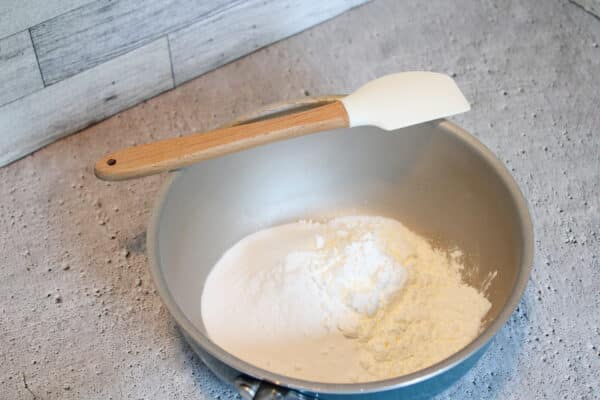
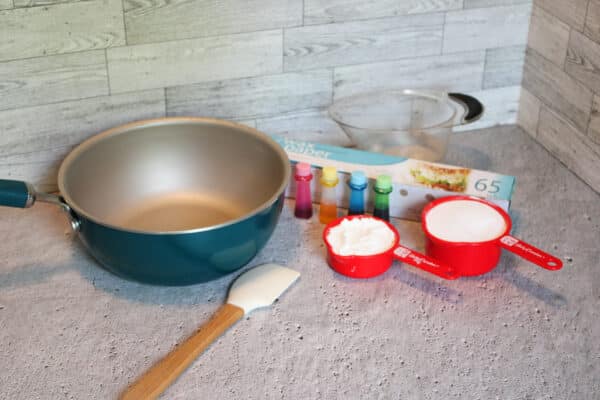
1. Gather all the materials and ingredients needed. In a sizable mixing basin or medium saucepan, mix the dry ingredients (gluten-free flour, salt, and cream of tartar). Then, turn the heat to medium.
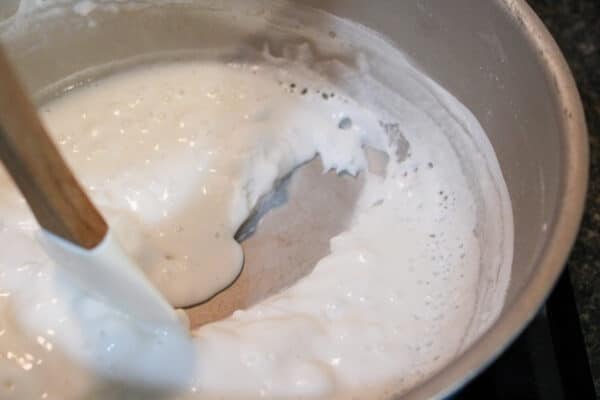
2. Combine oil and boiling water in a large dish. I stirred constantly over medium heat.
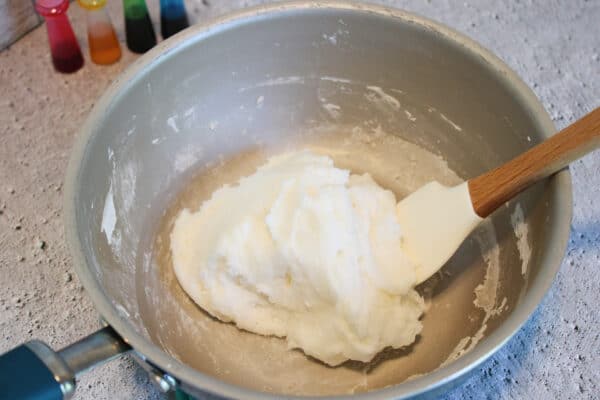
3. Using a wooden spoon, whisk the flour mixture after adding warm water and oil combination until a dough forms.
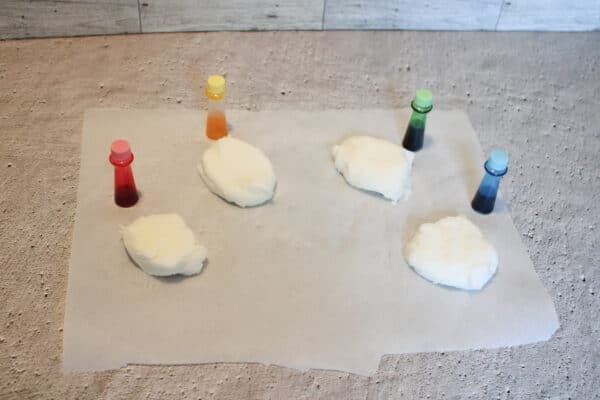
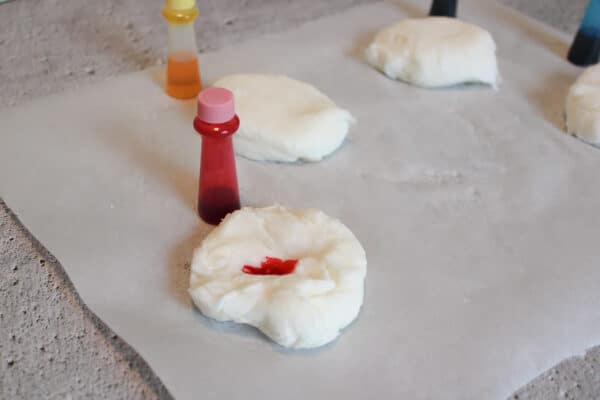
4. Add 2-3 drops of food coloring to the dough. If you want dough colors to be a bit darker, add 1-2 drops more. Form the dough into pieces and put it onto parchment or wax paper.
Homemade gluten-free playdough is not only a better choice for kids, but it also has several advantages for their sensory development.
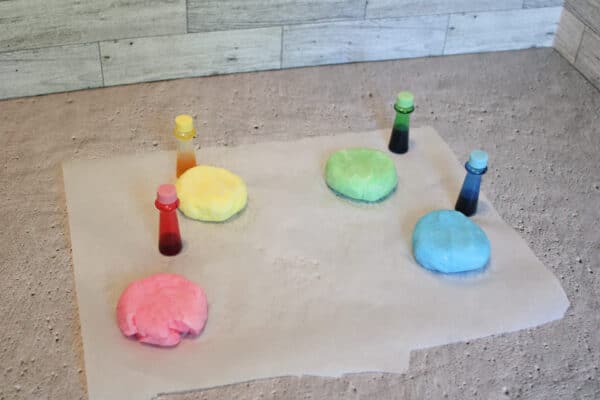
5. Place the dough onto a sanitized and clean surface, allow it to cool until it is manageable, and then quickly knead to make it smooth.
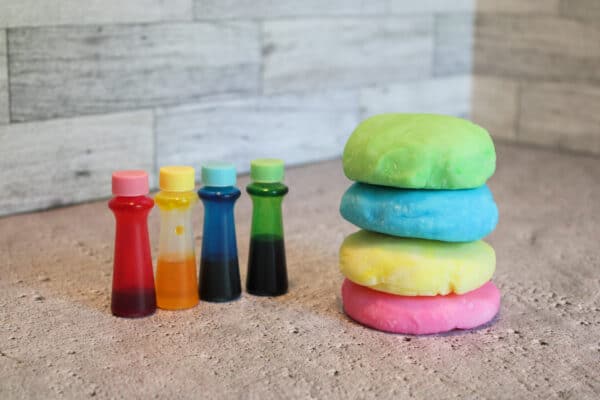
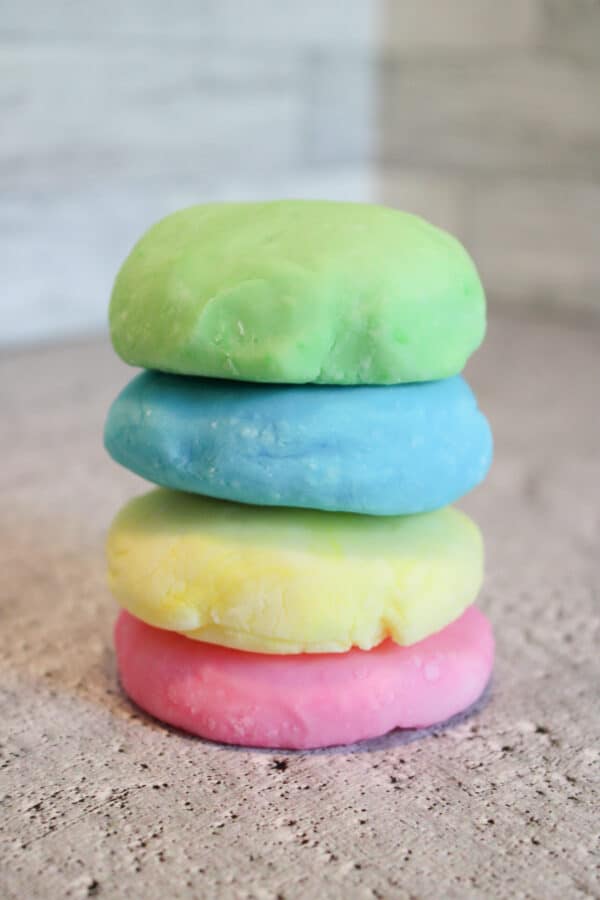
6. Enjoy your fresh batch of Gluten-Free DIY Playdough. Start molding your finished playdough using your tools.
Regular flour or playdough includes gluten, and since most young children touch their faces frequently and may not be mature enough to grasp the dangers of putting it near their mouths, it is safer for children with celiac disease to avoid using conventional playdough.
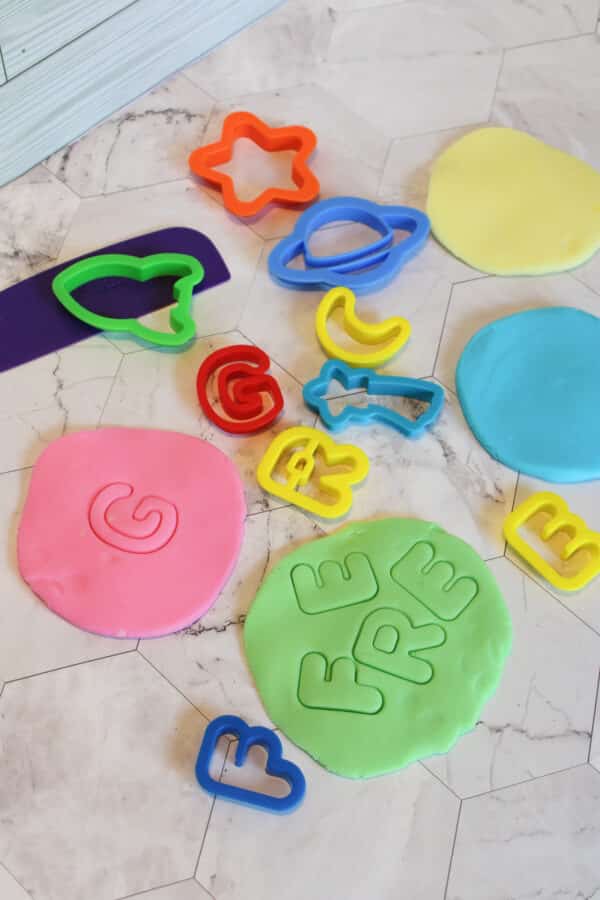
What are the Benefits of Playing with Playdough?
Playing with playdough improves children’s inventiveness, fine motor skills, and sensory processing capacity. It’s a fantastic method for getting kids involved in practical tasks that pique their curiosity and give them tactile feedback.
Additionally, creating gluten-free playdough at home is a cost-effective and adaptable method for guaranteeing that your child may engage in safe and entertaining sensory play.
Use the BEST no-cook playdough recipe to make your playdough. You’ll adore this simple, gluten-free recipe, ideal for kids and toddlers with celiac disease or gluten sensitivity! Its great consistency and natural materials make it a great rainy day (or day!) project.
But since my child puts everything in her mouth, I would prefer that she not swallow preservatives, artificial dyes, and chemical smells found in the basic Play-Doh ingredients (this is their patent). In addition, wheat is used in the original recipe, which is not good if your child has a gluten sensitivity. While a few healthier, more hygienic varieties of playdough are available at stores, I’ve discovered that they may be somewhat costly.
Fortunately, creating your own gluten-free, perfectly textured, No-Cook Play Dough Recipe at home is incredibly simple. My child has been enjoying herself while playing with it, and I don’t have to worry about her ingesting it by accident! Easy materials are all you need to whip up a three-month supply of play dough in no time!
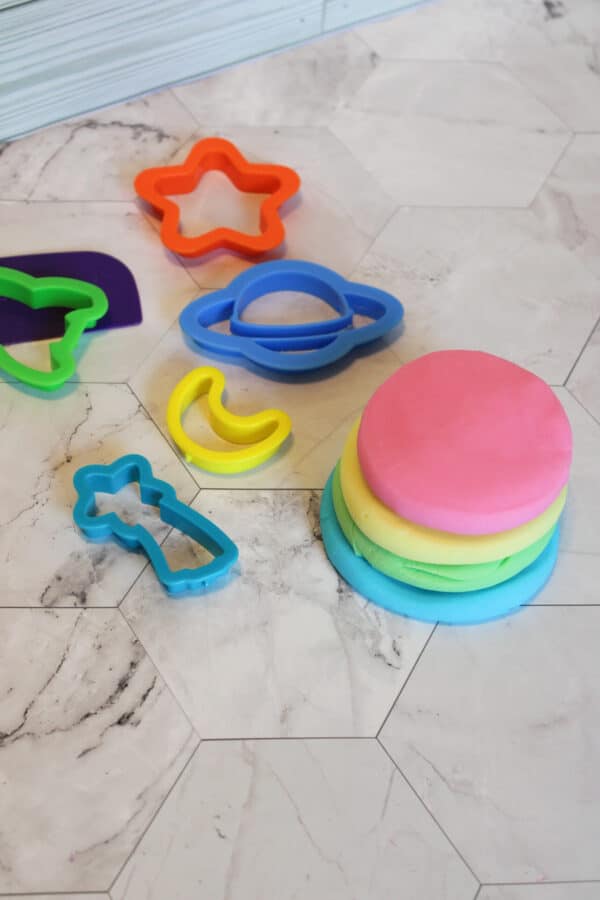
Use your hands to form a ball to make balls of dough. You can add a little additional water if the dough is too dry. If it’s too moist, increase the flour.
Tips & Tricks:
Storage: Homemade playdough can be kept at room temperature for up to three months in an airtight container or zip-top bag. If it becomes too moist or dry, you can adjust the texture by kneading in extra flour or water.
Colors: Red, yellow, and blue are the primary colors that can be combined to create a variety of hues and shades! Orange is created by combining red and yellow, green by combining blue and yellow, and purple by combining red and blue. Once the main color doughs are made, you can knead them together to make new ones.
Essential Oils: If you’d like, you can scent your playdough by adding a drop or two of your favorite essential oils. Use exactly as prescribed, and if you have any allergies, speak with your physician.
How much time does playdough Free of gluten last?
Leftover playdough can last for at least a few weeks if stored in an airtight container or sealable plastic bag. It can be stored for later by popping it into the container after use, provided it hasn’t been allowed to dry out.
The leftover dough can also be frozen for later use.
Playing with playdough as a Screen-Free Activity
According to the American Academy of Pediatrics, children look at screens for seven hours a day. The effects of this on the brain, especially the deterioration and atrophy of the different brain lobes, have been thoroughly studied.
I’ve witnessed the effects of giving my kids too much “screen time.” Even after a two-hour film, I observe a general lack of imagination, shorter tempers, and more whining. Children’s imaginations are typically more active than adults, but just like anything else, if you don’t use them, you might lose the ability to play imaginatively.
Playing more is usually the simplest way to address this tendency! Children are very tactile. You know precisely what I mean if you’ve ever brought little children shopping and felt like a broken record because everyone told you to “put that back” and “don’t touch.” Playdough is very addicting!
Playdough uniquely fosters creativity. Dolls inspire children to “play house,” and pots and pans promote kitchen play. However, playdough is unfinished. Youngsters can shape it into almost anything because it’s flexible, pliable, and squishy. Although it is billed as a toy, playing with it has many positive benefits.
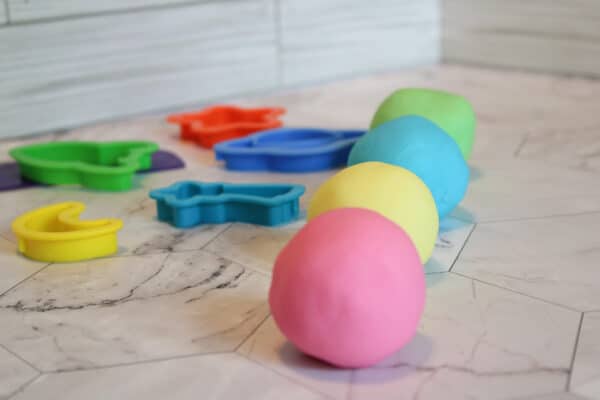
Using Playdough Has Learning Benefits
1. Perfect sensory activity: Playdough encourages children to use their imaginations, an exercise in imagination. It might begin as a ball, turn into a snowman, turn into a cow, and finally end as a dragon. Since there are no restrictions, every child can draw anything that comes to mind.
2. Enhances fine motor skills: Shaped playdough and squeezing help kids strengthen their hand muscles. This is excellent for practicing fine motor skills, which include writing, cutting, and handling small items.
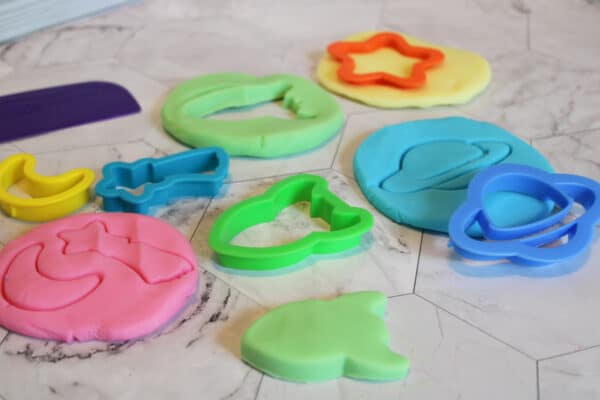
3. Playdough can be incredibly soothing and comforting, As you can see when you watch a youngster use it. It works similarly to a stress ball to release tension and store energy. If essential oils are used, it can have even more mood-balancing effects!
4. Promotes concentrated play: Squishing homemade playdough helps quell children’s frequent fidgeting. As a result, they can concentrate on their work better. Focusing their efforts on manipulating the dough also limits other activities that could be distracting.
5. It is participatory: “See what I created!”? Playdough’s ever-changing properties encourage curiosity and cooperative play while fostering peer and family engagement and the expression “Watch what I can do.”
This Play-doh Crayon Craft (Recipe for Crayon Play-doh) is a fun way to use up those broken crayons. Here are instructions on How To Build a Play-Doh Volcano with Your Kids.
Enjoy this gluten-free playdough with your kids, and let us know about your experience!

Fine motor skills are so important.
With the advent of tablets and screen toys fine motor skills are lacking and much harder to gain as kids are older and people realize that they weren’t naturally developed through play.