
How to Make a Lemon Volcano – STEM Experiment
Want to turn your kitchen into a mad scientist’s lab without setting anything on fire? Forget those boring old baking soda and vinegar volcanoes – we’ll level up your home science game with this fun Lemon Volcano Experiment. You only need a lemon and a few pantry staples to create an eruption that’ll make your kids think you’re the next Bill Nye.
This isn’t just another messy science experiment (though it brings the mess factor). It’s a perfect blend of chemistry and fun that teaches kids about acid-base reactions while keeping them entertained. Plus, this citrusy explosion comes together in minutes, unlike that paper mache volcano that takes forever to dry.
This post may contain affiliate links. As an Amazon Associate and a participant in other affiliate programs, I earn a commission on qualifying purchases. Read our disclosure policy here.



Ready to Make a lemon explosion science experiment?
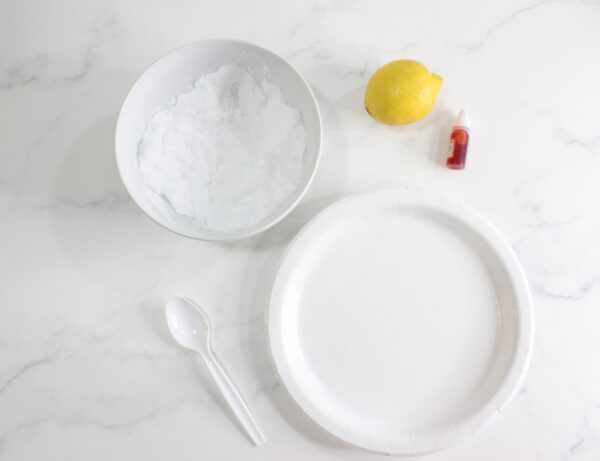
Here’s everything you’ll need to get started:
- Fresh lemons
- Baking soda
- Plate, tray, or bowl for containment
- Knife for cutting lemons
- Spoon or butter knife for mixing
Optional Enhancement Items:
Food Coloring for colorful eruptions
Dish Soap to create bigger bubbles
Measuring cup for precise portions
Craft Sticks for stirring
Fork for mixing ingredients
Remember to set up your workspace on a flat, stable surface before beginning the experiment. Having all materials ready and organized will help create the best volcanic reaction possible!
Begin by preparing your lemon. You can either slice off the top and bottom to make it stand upright or cut it in half lengthwise – both methods work effectively.
If you’re using halves, roll the lemon on the counter first to activate the juices inside. Then, use a spoon or butter knife to break up the pulp, making it ready for the reaction.
Setting Up the Experiment
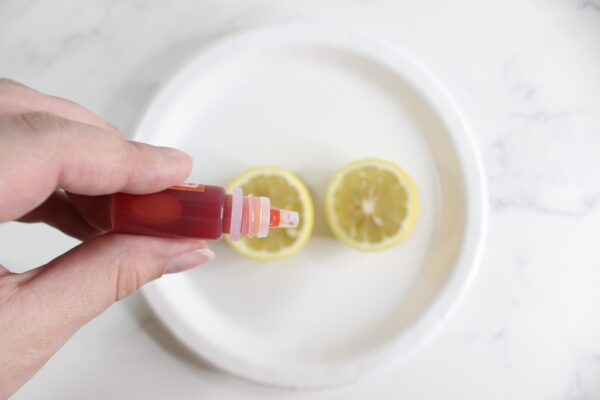
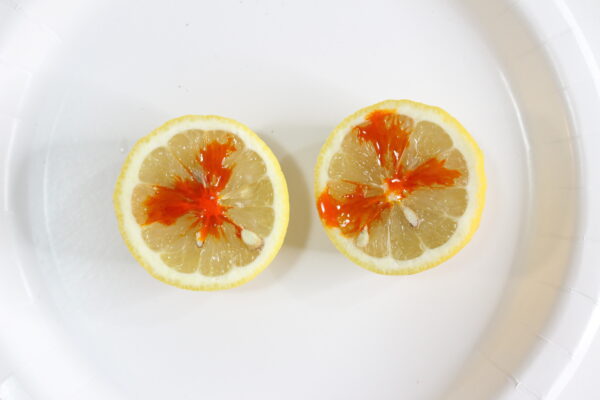
Place your lemon on a plate or tray to contain the mess. Take a fork or craft stick and poke several holes into the lemon’s flesh to release more of the citrus juices. Add a few drops of food coloring to create a more visually exciting volcanic display.
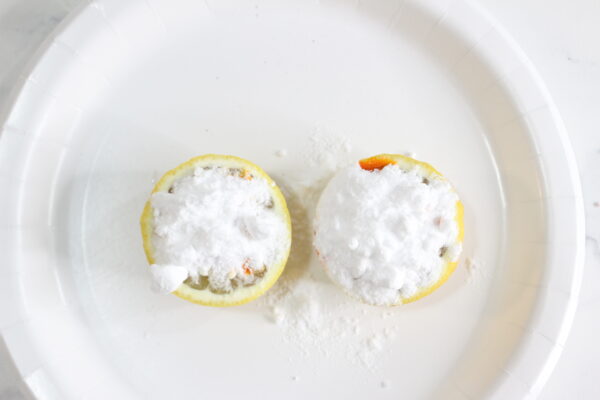
Making It Erupt
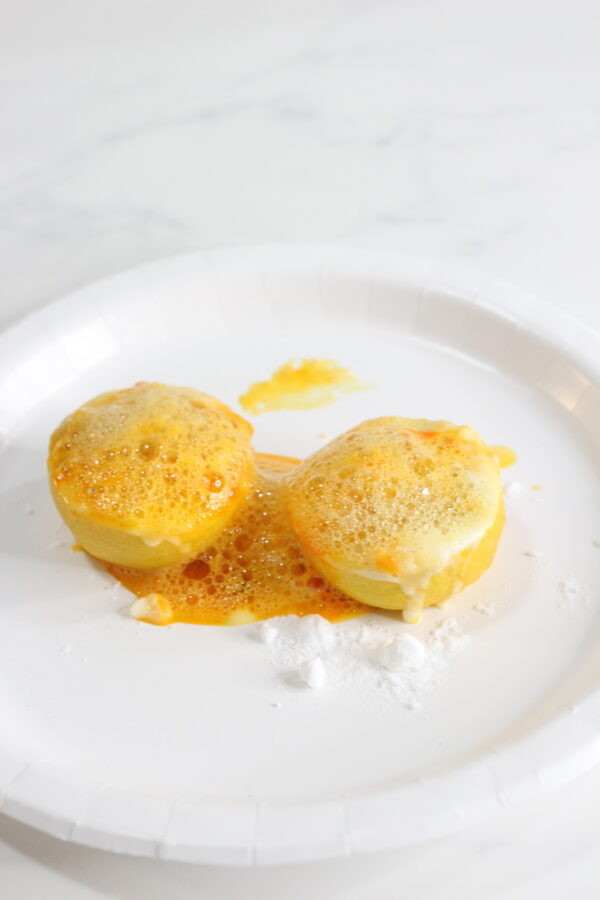
Now for the exciting part! Sprinkle baking soda generously over your lemon, then use a craft stick to mix it into the pulp.
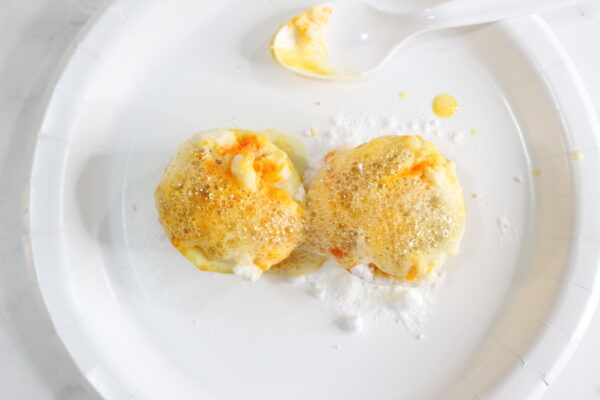
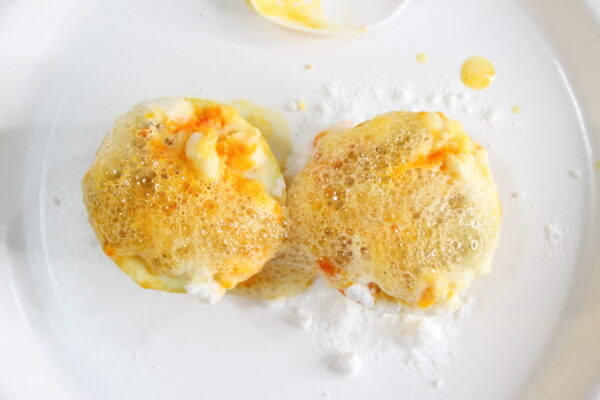
For an enhanced reaction, add a splash of dish sopa before the baking soda. Want to keep the volcano going? Simply squeeze additional lemon juice over the top to maintain the fizzy eruption.
Scientific Explanation Behind the Lemon Volcano
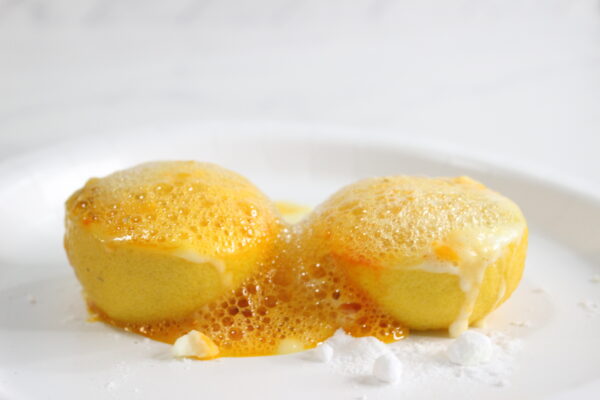
Ever wonder why lemons taste sour? That’s the citric acid talking! When you mix this natural acid with baking soda (a base), some pretty cool chemistry happens right before your eyes. The chemical reaction between these two ingredients creates carbon dioxide gas that needs somewhere to escape – and that’s what makes your lemon volcano erupt!
Adding dish soap to the mix is like giving the carbon dioxide gas tiny bubble suits to wear. Instead of just fizzing away, the gas gets trapped in soap bubbles creating that awesome foamy eruption that makes this experiment so fun to watch.
The whole reaction is pretty simple: citric acid meets baking soda (sodium bicarbonate), they mix together, then – you’ve got yourself bubbly carbon dioxide trying to escape from your lemon. It’s basically the same reaction that makes your favorite sodas fizzy, just way more dramatic!

Tips for a Successful Lemon Volcano Experiment
Safety comes first when creating your lemon volcano experiment. Always wear safety goggles to protect your eyes, and make sure an adult handles all cutting activities. Using protective gloves is recommended to avoid skin irritation from citrus juices.
Want to maximize your volcanic action? Roll your lemons before cutting to release more juice, resulting in a more dramatic reaction. For an extra spectacular display, try adding a few drops of dish soap to enhance the bubbling effect.
Keep your experiment area clean by setting up your workspace on a tray covered with newspaper. This simple preparation step makes cleanup much easier and contains any potential spills.
For added variety, experiment with different citrus fruits to compare reactions. You can also use plastic spoons to handle the fruits and baking soda, making the activity safer for younger scientists.
If your volcano needs more power, try these adjustments:
- Add more baking soda gradually
- Squeeze extra lemon juice into the mixture
- Ensure your lemon cavity is deep enough for a proper reaction
Remember to wash your hands thoroughly after the experiment and keep all materials away from your eyes and face throughout the activity.
Extending the Activity
Want to take your lemon volcano to the next level? Try creating a citrus testing lab! Grab some oranges, limes, and grapefruits to see which fruit creates the most dramatic eruption.
You can even experiment with variable like temperature, testing how chilled fruits compare to room temperature ones in their reactions.
For the really curious scientists out there, mix things up by testing different amounts of ingredients and bases. Try varying quantities of baking soda or swap it out completely for alternatives like washing soda or baking powder. Record your observations and compare results to develop your analytical skills.
The learning opportunities are endless! Turn this into a mini-science project by exploring connections to geology and real volcanic reactions. Or dive into environmental science by investigating natural acids and bases in our everyday world.
Let your scientific curiosity bubble over as you discover new ways to enhance this exciting experiment!

Ready to Start Your Volcanic Adventure?
Whether you’re a parent looking for a fun weekend activity, a teacher seeking engaging classroom demonstrations, or just someone who likes making things fizz, this lemon volcano experiment delivers big time on the wow factor.
Remember, the best part about science is getting your hands dirty and trying new things. So grab those lemons, stock up on baking soda, and get ready to make some seriously awesome memories. Who knows? You might just inspire the next generation of scientists – or at least give them a really cool story to tell at school!
