
Easy Edible Paint Recipe for Kids | 2 Ingredients
Edible paint turns snack time into a colorful art activity. This easy homemade mixture requires only two ingredients: sweetened condensed milk and gel food coloring. It has a thick, glossy texture that works well on sugar cookies, marshmallows, crispy rice treats, and other firm foods.
My favorite part of this paint activity is that children can experiment with color while decorating their own treat. It is simple to make for a rainy afternoon, birthday party, classroom celebration, or Christmas cookie activity.
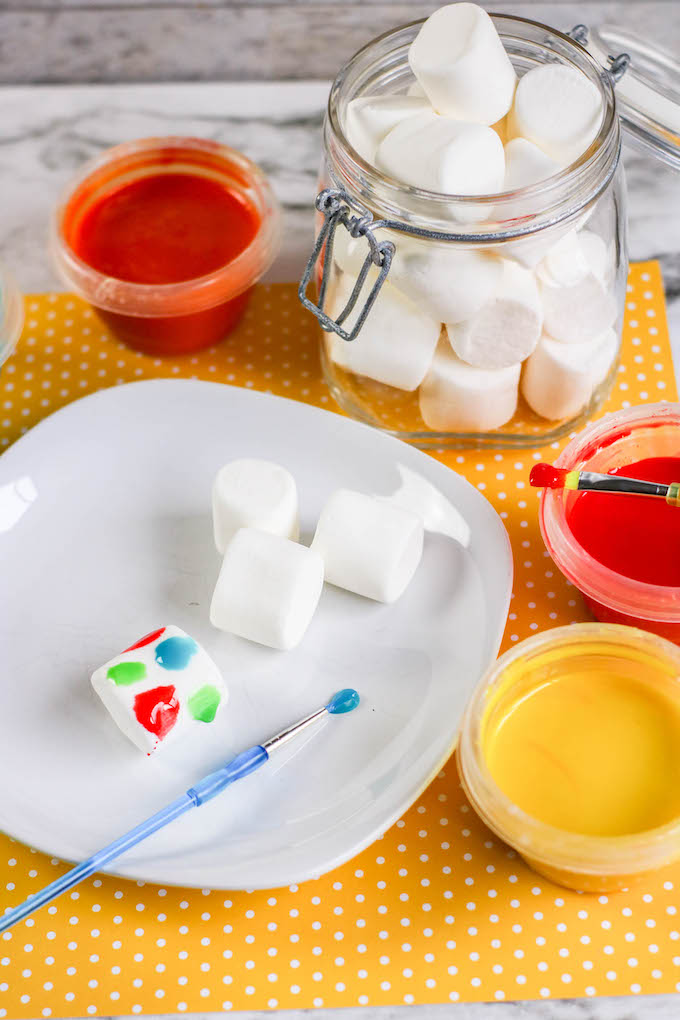
Easy Edible Paint Recipe for Kids
This recipe uses only food ingredients, but adult supervision is still important. Use clean, food-safe tools, check every ingredient for allergies, and choose decorating surfaces that are safe for your child’s age.
Quick Answer: What Is This Food Paint Made Of?
This paint recipe combines sweetened condensed milk with coloring gel. Stir in a small amount of color, then use a clean, food-only brush to decorate firm snacks or baked goods.
Prep time: 5 minutes
Activity time: 15 to 30 minutes
Makes: About 6 small colors
Best for: Cookies, marshmallows, crispy rice treats, pretzel rods, and firm fruit slices
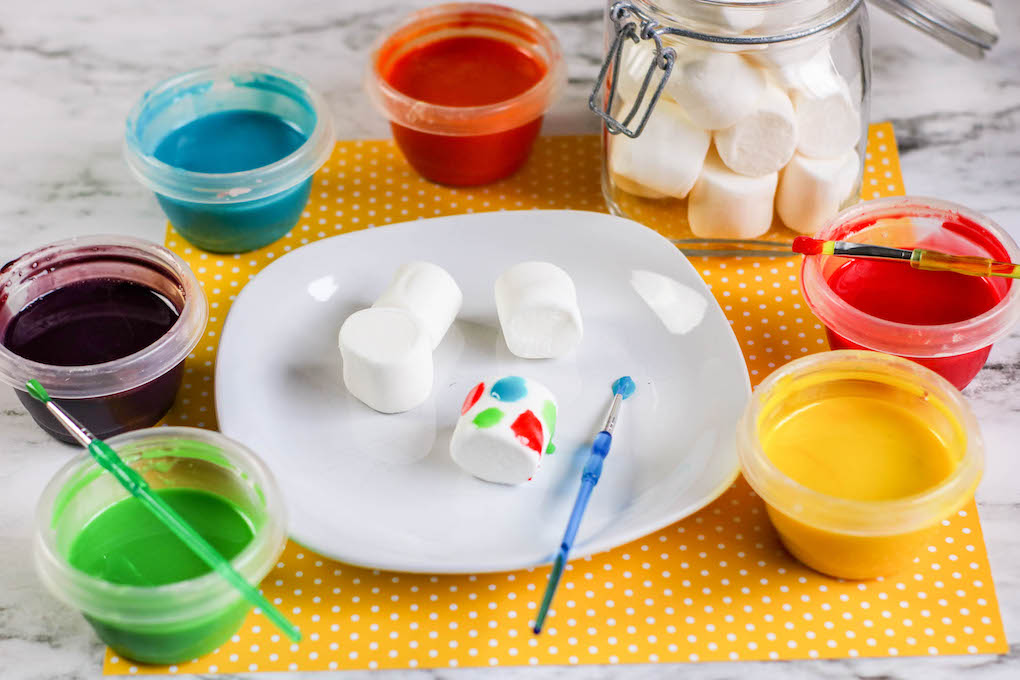
Why Kids Enjoy Painting Their Snacks
This colorful activity lets children make choices, mix shades, and create patterns. Dots, stripes, faces, flowers, and rainbows are all easy places to begin, and kids love seeing their ideas appear on a favorite treat.
The activity also encourages controlled hand movements as children hold a brush, dip it into the mixture, and move it across a surface. Younger children can explore cause and effect as they discover what happens when two colors are combined, creating a simple sensory experience at the same time.
Best of all, there is no single correct way to decorate the food. Each child can create something different, making this a playful form of process art.
Ingredients and Supplies
You will need:
- 1 can sweetened condensed milk, 14 ounces
- Gel food coloring in your preferred shades
- Small food-safe bowls or a divided palette
- Clean paintbrushes reserved only for food
- Age-appropriate foods to decorate
Good painting surfaces include:
- Cooled sugar cookies
- Crispy rice treats
- Large marshmallows for older children
- Pretzel rods
- Firm apple or pear slices
- A smooth layer of dried royal icing
For babies and toddlers, avoid foods that present a choking risk. Whole marshmallows are sticky and difficult to chew, so choose a safer painting surface based on your child’s eating skills.
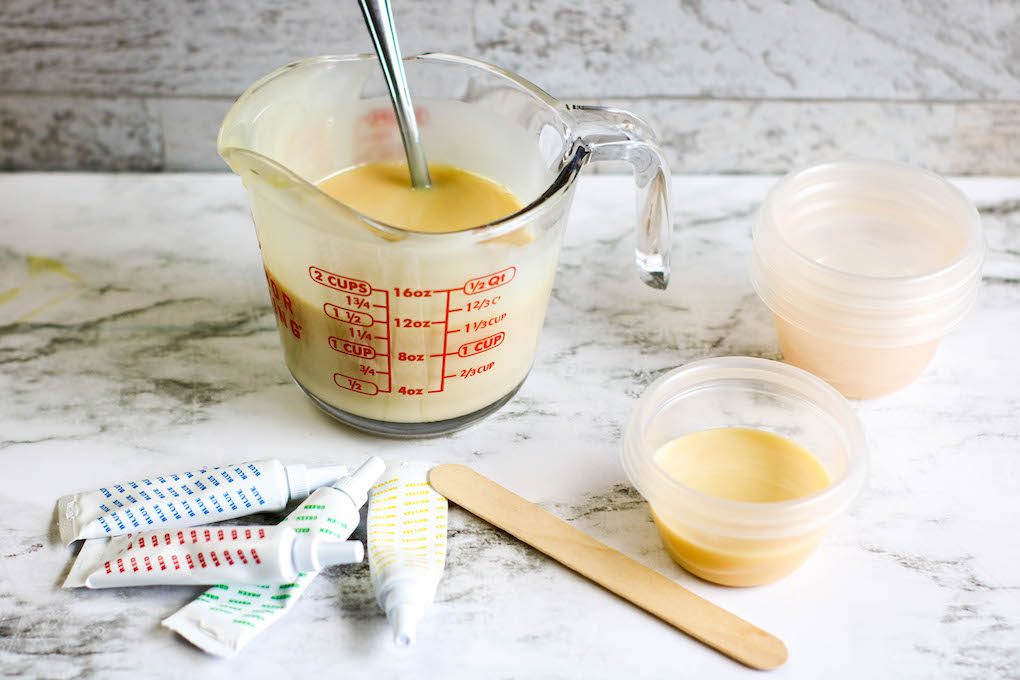
How to Make Edible Paint
Divide the condensed milk. Spoon it into several small bowls, separating the mixture by the number of shades you plan to prepare.
Tint each portion. Place a single drop into each bowl. A few drops of food coloring are usually enough for the entire batch.
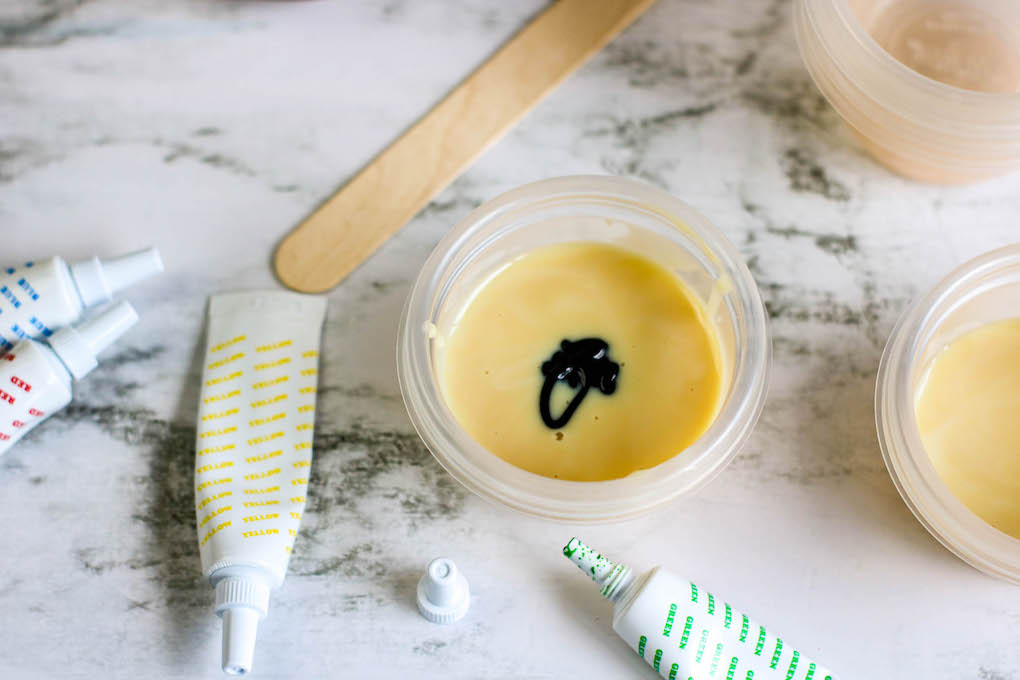
Blend each portion. Stir thoroughly until the shade looks uniform. For a more vibrant color, add more drops of food coloring gradually.
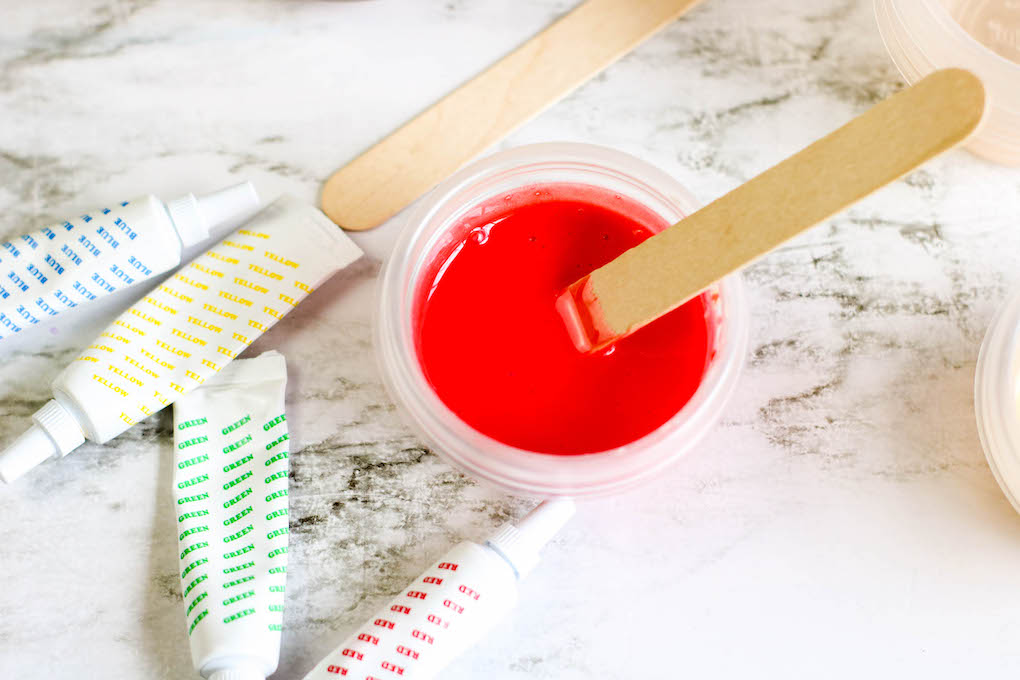
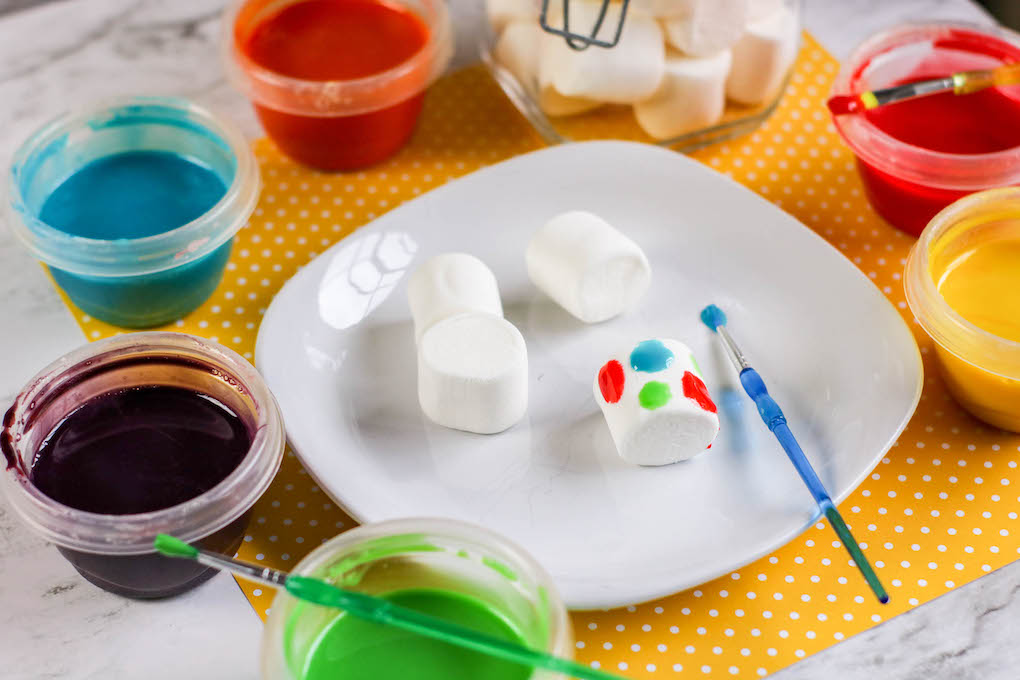
Prepare your workspace. Arrange the mixtures, clean brushes, and foods on a covered table or easy-to-wipe tray.
Start painting. Dip the brush lightly into the mixture and add dots, lines, shapes, or pictures to the food.
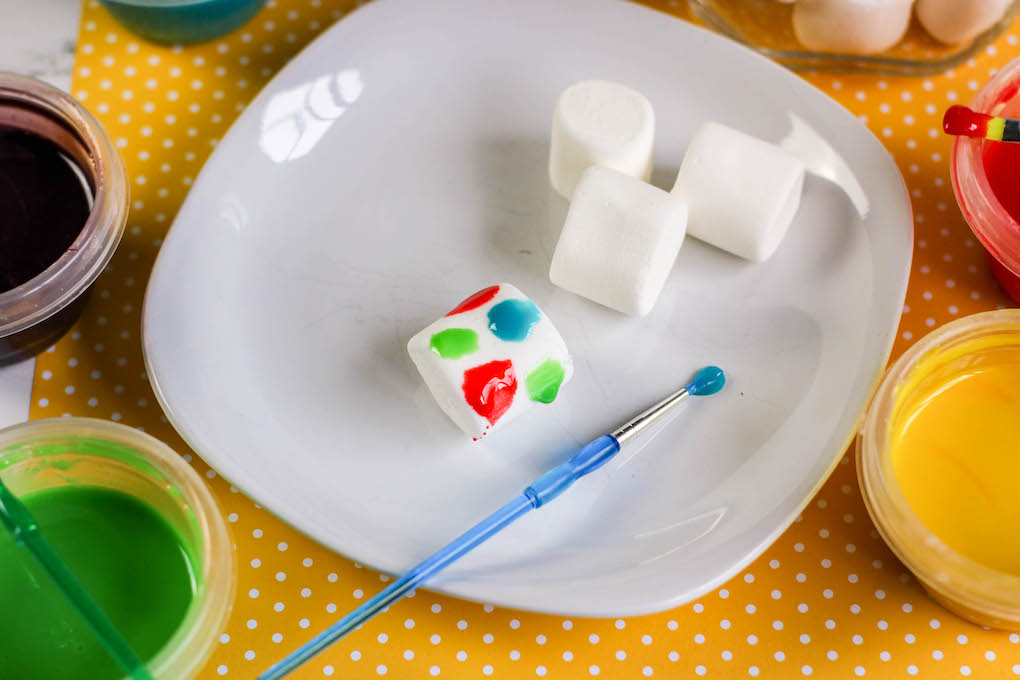
Let the finished designs sit for a moment. The coating dries out over time, although the condensed milk mixture may stay somewhat soft or tacky. It is best for treats you’ll enjoy the same day.
The paint is easy to make, so children can spend more time decorating and experimenting with different colors.
Can You Paint With Food Coloring?
Yes, you can decorate food with food coloring, but using it straight from the container is highly concentrated and may stain hands, clothing, and work surfaces. Combining the color with sweetened condensed milk creates a thicker consistency that is easier for children to control.
Only use a product clearly labeled as a food color or dye. Never use craft acrylics, tempera, or watercolors on anything that will be eaten.
Gel or Liquid Coloring?
Gel varieties work best for this recipe because they produce bright shades without making the condensed milk too thin. Start with just a small dab since a little concentrated gel goes a long way.
If you only have liquid food coloring, you can still use it. Mix in a single drop first, then add more only if needed. Too much liquid may make the mixture runny and more likely to soak into cookies or bread.
Easy Color-Mixing Guide
Combine a paler shade with a small amount of the deeper shade, adjusting as needed.
| Color Combination | Shade Created |
|---|---|
| Yellow mixed with red | Orange |
| Red mixed with blue | Purple |
| Blue mixed with yellow | Green |
| Red with a touch of blue | Deep berry |
| Yellow with a touch of red | Golden orange |
Give every bowl its own spoon to prevent the shades from blending accidentally. Children can also predict the new shade before mixing it, adding a simple learning element to the art experience.
Edible Painting for Toddlers
Toddlers can enjoy this activity if they’re ready for the ingredients and foods you provide, but close adult supervision is essential. Just because it’s made from food doesn’t mean a child should eat paint by the spoonful. Sweetened condensed milk contains a large amount of added sugar, so think of it as a decorating ingredient rather than a snack on its own.
Set little ones up for success with these tips:
- Put only a spoonful of each color on the tray.
- Use a short, easy-to-hold brush.
- Dress the child in a smock or old shirt.
- Cover the table because coloring can leave a mark.
- Present only one or two suitable foods for decorating at a time.
- Keep the activity close enough that you can supervise your child the entire time.
- Discard any mixture that has been repeatedly touched or licked.
If your child has a milk allergy, the condensed milk version is not suitable. Use an alternative that fits your family’s allergy plan and check every label.
How to Make Taste-Safe Paint for Babies
For a baby who tends to put everything in their mouth, plain yogurt is usually a more practical base than sweetened condensed milk because it contains less added sugar. This simple baby paint is designed for supervised sensory exploration.
For this baby recipe, place a few spoonfuls of plain yogurt in separate bowls and add one tiny drop of coloring to each. This yogurt-and-food-coloring mix creates a creamy, taste-safe paint you can spread with a soft, food-safe brush.
Only use ingredients your baby has already eaten safely, and ask your child’s health professional about allergy or feeding concerns. You can offer this baby-safe paint on a high chair tray, flat washable surface, or another age-appropriate canvas instead of a choking-risk snack.
For families looking for baby activities, this setup provides a fun sensory experience while keeping the ingredients familiar. You can even divide small portions among clean baby food jars before adding different colors.
The goal of this paint recipe for babies is sensory play, not encouraging a baby to consume a bowlful. Throw away the yogurt mixture afterward rather than saving it.
For a baby or toddler, always supervise closely. Even an activity made with food ingredients needs an adult nearby from beginning to end.
A Taste-Safe Painting Activity for Babies and Toddlers
If you want a recipe for taste-safe art that children can explore, yogurt is an easy option. Its smooth texture works well for messy play and allows children to swirl and blend colors on a clean tray.
You can spread the mixture directly on a washable surface. It also works great on paper when the artwork is for temporary play rather than something you plan to preserve.
While no painting activity with food color is completely mess-free, using only small portions helps contain the cleanup. This activity is especially useful for toddlers and kids still learning to explore traditional art materials safely.
Can This Be Used on Cookies, Cakes, or Fondant?
The condensed milk mixture works best on firm, fairly dry surfaces. You can brush it onto cooled sugar cookies, crispy rice treats, marshmallows, or a smooth layer of dried icing. Because it stays somewhat soft, it is not the best choice for detailed professional cake decorating or treats that need to be stacked and packaged.
You can add a small design to fondant, but test an inconspicuous spot first. Too much moisture may soften the surface. On cakes, apply a very light layer and serve soon after decorating.
For crisp lines on royal icing, fondant, or gum paste, bakers often use a purpose-made decorating product. Brands such as Wilton offer food decorating products, but always follow the manufacturer’s directions and confirm that the specific item is clearly labeled for food use.
How to Make Edible Paint for Chocolate
Do not use the condensed milk mixture on plain chocolate. Chocolate reacts poorly to water-based ingredients, and moisture can make melted chocolate thicken or seize.
For chocolate or candy melts, use colors specifically labeled for chocolate, such as oil-based candy coloring or a food-safe cocoa butter color. Check the label for the correct way to use the product. Standard liquid coloring is usually unsuitable for chocolate.
Is Acrylic Paint Suitable for Food?
No, it should not be consumed. Acrylic is regular paint, not food, and should never be used on cookies, cakes, chocolate, fondant, or anything else intended to be eaten. A label that says non-toxic does not mean a product is safe to consume.
The same rule applies to children’s tempera, watercolor, and other craft products. Keep brushes separate for food activities so residue from craft supplies never transfers to something a child will eat.
Ideas for Using Edible Colors With Kids
Once the colors are ready, try one of these easy prompts:
- Create a rainbow cookie.
- Add colorful dots to a crispy rice treat.
- Make funny faces on round cookies.
- Decorate with festive red and green details for Christmas.
- Make pastel flowers for spring.
- Decorate treats in team or school colors.
- Combine two primary shades and note the color they create.
- Personalize a cookie with the child’s first initial.
These ideas are fun for kids and can be adapted for kids of all ages by changing the decorating surface and level of detail.
For a party, give each child an individual palette and brush. This helps limit shared utensils and makes cleanup easier.
Tips for the Best Homemade Paint
Use very little coloring. Concentrated color becomes intense quickly, and you can always add another drop.
Aim for a thick consistency. If it becomes too thin, stir in a little more condensed milk.
Keep dedicated brushes for decorating food. New brushes are ideal. Wash them before the activity and store them with your baking supplies afterward.
Cover clothing and the work area before you begin. The mixture may clean up easily on some surfaces, but concentrated color can stain fabric, grout, wood, and skin.
Decorate cooled foods. Warm cookies or treats may cause the mixture to run.
Make it shortly before use. Divide and color the condensed milk when you are ready to begin. Refrigerate unopened ingredients as directed on the labels.
Do not save contaminated leftovers. If children dip licked brushes or fingers back into the bowls, discard what remains when the activity ends.
Cleaning Up After Painting
Wipe spills as soon as possible. Wash bowls, spoons, trays, and food-safe brushes with warm soapy water. Check the cleaning directions for your table or countertop before using a stain remover.
Even though the ingredients are completely edible, the activity can still be sticky. A washable mat, baking sheet, or disposable table covering keeps everything contained and makes cleanup much faster.
More Creative Activities for Kids
If your children enjoyed this project, try these ideas next:
- Easy painting ideas for kids
- Painting with kids
- Edible slime made from gelatin
- No-cook glow-in-the-dark playdough
- More crafts for kids
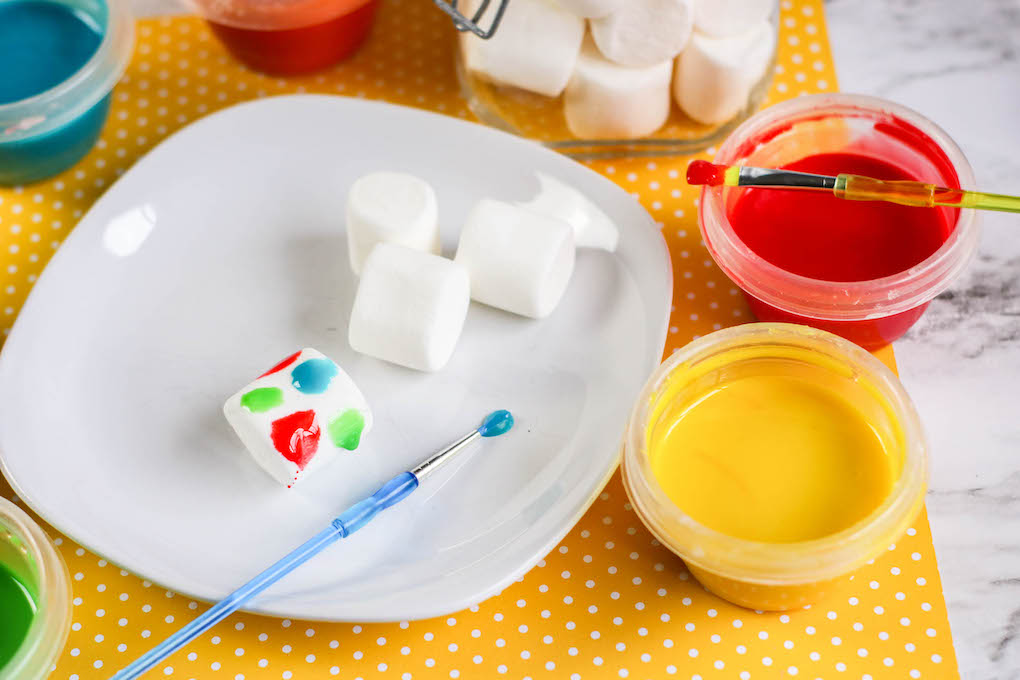
A Simple Food Craft Children Can Make Their Own
This easy recipe adds color and creativity to an ordinary snack. With condensed milk, coloring, clean brushes, and a few firm treats, children can practice mixing shades and creating designs in a playful way.
Keep the portions small, protect the work surface, and supervise young children from start to finish. The result is a sweet project that is fun and safe when the ingredients and decorating foods are appropriate for the child’s age.
How Do You Make Edible Paint?
Divide one 14-ounce can of sweetened condensed milk among small bowls. Mix a small amount of coloring into each portion, adding more only as needed. Decorate firm foods with clean brushes reserved for food use.
What Is This Paint Made Of?
This version contains sweetened condensed milk and coloring gel. Other food-safe mixtures may use yogurt, icing, cocoa butter, or commercial decorating colors, depending on the surface.
Can You Make Paint With Food Coloring?
Yes. Mix a food-approved color into an edible base such as sweetened condensed milk to make edible color for decorating treats. Use only products clearly labeled for food use.
Is This Safe for Toddlers?
It can be a safe paint activity when every ingredient and decorating surface is appropriate for the child, and an adult supervises closely. Check for milk allergies, limit the amount offered, and avoid choking-risk foods.
Does It Dry Hard?
The condensed milk coating dries as it rests, but it may stay soft or tacky rather than completely dry. It is best for treats served the same day and is not ideal for stacking.
Can I Use It on Sugar Cookies?
Yes. It works well on completely cooled sugar cookies. For the cleanest result, use a firm cookie or one covered with fully dried royal icing.
Can I Use It on Chocolate?
No. The moisture in condensed milk can affect chocolate. Use an oil-based candy color or food-safe cocoa butter color specifically designed for chocolate.
Is Non-Toxic Paint the Same as Food-Safe Paint?
No. Non-toxic craft products are not intended to be eaten. Only use ingredients and colors clearly labeled for food use on anything you will consume.
How Long Does Homemade Paint Last?
For a children’s activity, prepare it shortly before use and discard it afterward, especially if brushes or fingers have been dipped into the bowls. Do not save leftovers that may have been contaminated during play.

We use this same edible paint on our sugar cookies each Christmas!