
Dive Deep: Printable Layers of the Ocean Diorama for Kids to Build & Explore
The depths of the ocean conceal a world of wonder and mystery, teeming with unique ecosystems and a diverse array of marine life. Creating Printable Layers of the Ocean Diorama is an exciting science project that allows children and teens to dive into the realm beneath the waves.
Let’s explore the five main layers of the ocean and provide ideas for objects to include in your printable diorama. So, let’s get ready to embark on a creative and educational adventure!
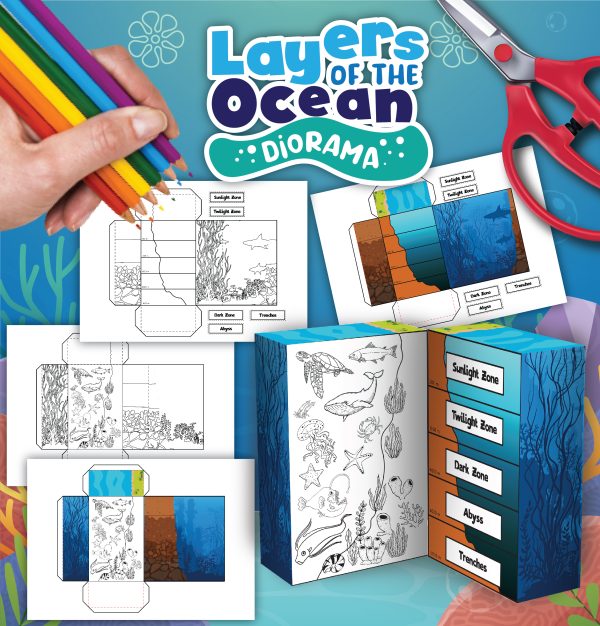
Printable Layers of The Ocean Diorama
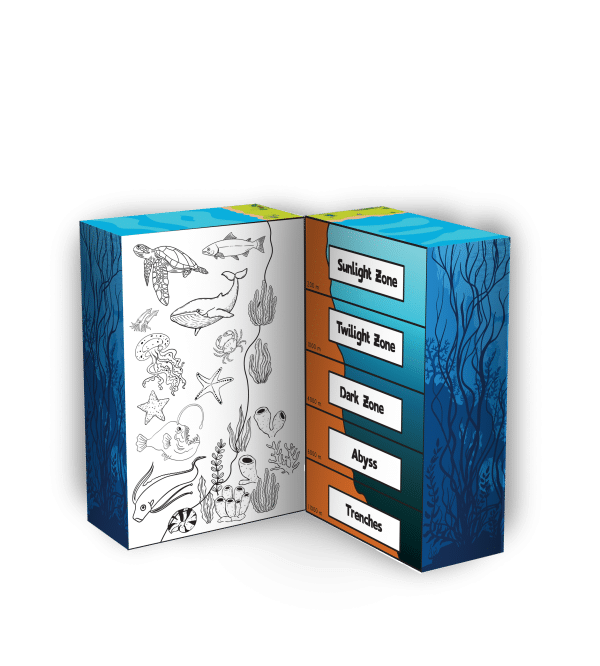
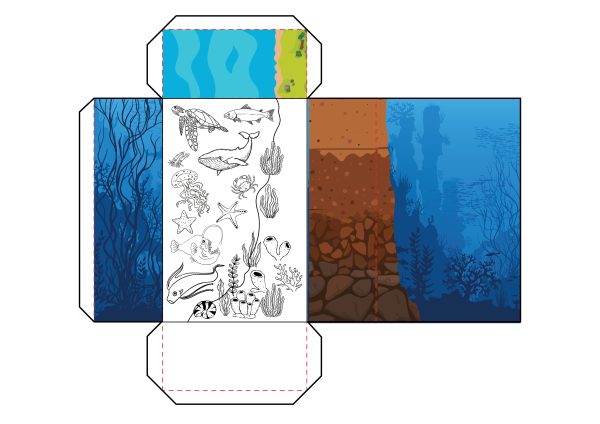
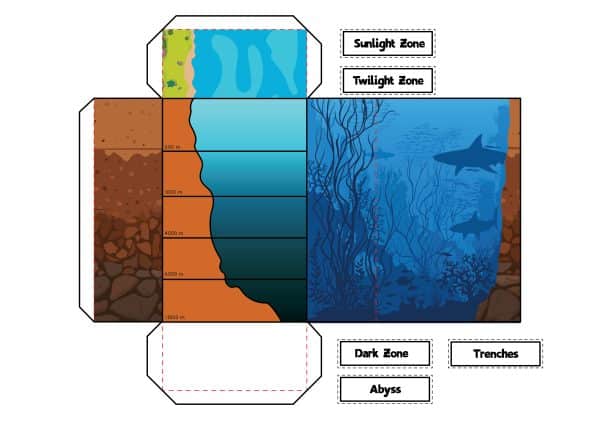
Dive into ocean exploration with this fun and educational printable Layers of the Ocean Diorama! Kids can cut, color, and build their own 3D model showcasing the five ocean zones—from the sunlit epipelagic layer down to the mysterious hadalpelagic depths. It’s a hands-on activity that brings marine science to life, perfect for homeschool lessons, science units, or ocean-themed crafts.
What are the five main layers of the ocean?
The ocean is a complex and dynamic environment that can be divided into distinct layers, each with its characteristics and inhabitants. Here are the five main layers:
Sunlight Zone (Epipelagic Zone)
This top layer, also known as the sunlight zone, extends from the surface down to about 200 meters. It receives the most sunlight and is home to a variety of marine life, including phytoplankton, dolphins, and sea turtles.
Crayola Air Dry Clay (5lbs), Natural White Modeling Clay for Kids, Sculpting Material, Bulk Craft Supplies, Teacher Classroom Must Haves for SchoolWoodland Scenics Diorama Kit, BasicWoodland Scenics Diorama Kit, Mountain


Twilight Zone (Mesopelagic Zone)
Beneath the sunlit zone lies the twilight zone, extending from 200 to 1,000 meters deep. This zone is characterized by dim light, and many unique species have adapted to survive in this low-light environment. Deep-sea creatures like lanternfish, anglerfish, and vampire squid can be found here.
Dark Zone (Bathypelagic Zone)
The midnight zone, also known as the bathypelagic zone, ranges from 1,000 to 4,000 meters. Complete darkness prevails here, and the water pressure is immense. Remarkable deep-sea organisms such as gulper eels, giant isopods, and deep-sea anglerfish inhabit this mysterious layer.
Abyss Zone
Extending from 4,000 to 6,000 meters, the abyssal zone is the largest layer of the ocean. Frigid temperatures and high pressure characterize it. Unique creatures such as tripod fish, abyssal sea cucumbers, and fangtooth fish thrive in this challenging environment.
Trenches Zone
The deepest part of the ocean, the hadal zone, begins at depths of around 6,000 meters and extends to the ocean floor, including deep ocean trenches.
Only a few expeditions have explored this zone, revealing astonishing organisms like the Mariana snailfish and the Challenger deep-sea cucumber.
What objects could you add to the printable diorama?
To bring the ocean layers to life in your printable diorama, consider adding the following objects:
Sunlight Zone
Include marine animals such as colorful fish, dolphins, sea turtles, and coral reefs. You can also add floating seaweed or kelp to represent the diverse plant life found in this layer.
Incorporate small seashells and sand to create a realistic coastal or sandy bottom habitat. You can even craft miniature surfboards or sailboats to add a touch of human presence to the scene.
Twilight Zone
Depict bioluminescent creatures like lanternfish and vampire squid. Use glow-in-the-dark paint or materials to create a mesmerizing effect, mimicking the dim light environment of this layer. Additionally, you can include suspended particles in the water to give the illusion of plankton and other microscopic organisms.
Midnight Zone
Include deep-sea fish with unique adaptations such as large mouths and elongated bodies. Create a sense of darkness using dark-colored paper or fabric and strategically placed LED lights to mimic the deep-sea environment. Incorporate underwater rock formations and deep-sea vents to add depth and realism to the diorama.
The Abyss
Add unusual creatures like tripod fish, fangtooth fish, and abyssal sea cucumbers. Use textured materials to represent the rocky and uneven ocean floor found in this layer. You can also create small caves or crevices to simulate hiding places for deep-sea dwellers.
The Trenches
Represent the deep ocean trenches by creating a steep incline in your diorama. Include organisms like the Mariana snailfish and the Challenger deep-sea cucumber, as well as underwater features like hydrothermal vents or cold seeps.
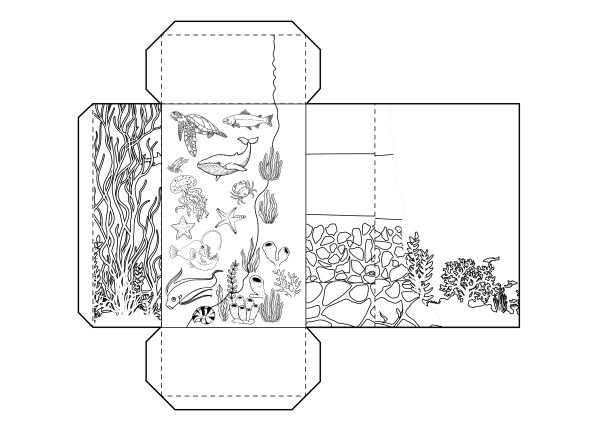
Creating a diorama of the ocean’s layers is an engaging and educational activity for kids and teens interested in oceanography and marine biology.
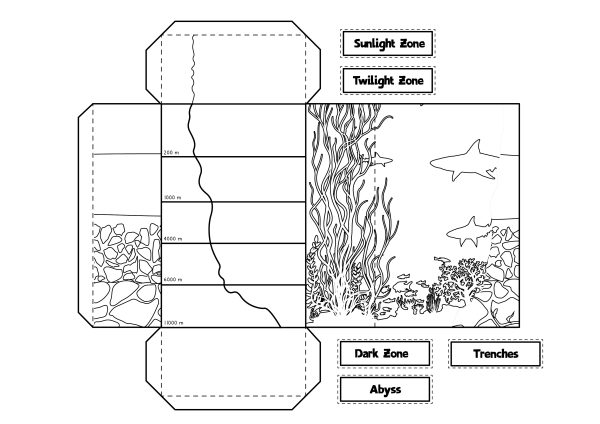
By incorporating the five main layers of the sea, from the sunlit zone to the trenches, this project allows students to explore the unique habitats and adaptations of marine life.
With the addition of printable templates and carefully selected objects, you can bring the wonders of the ocean to life in a shoebox diorama!
