
How to Make a Gratitude Box: Easy Craft for Kids
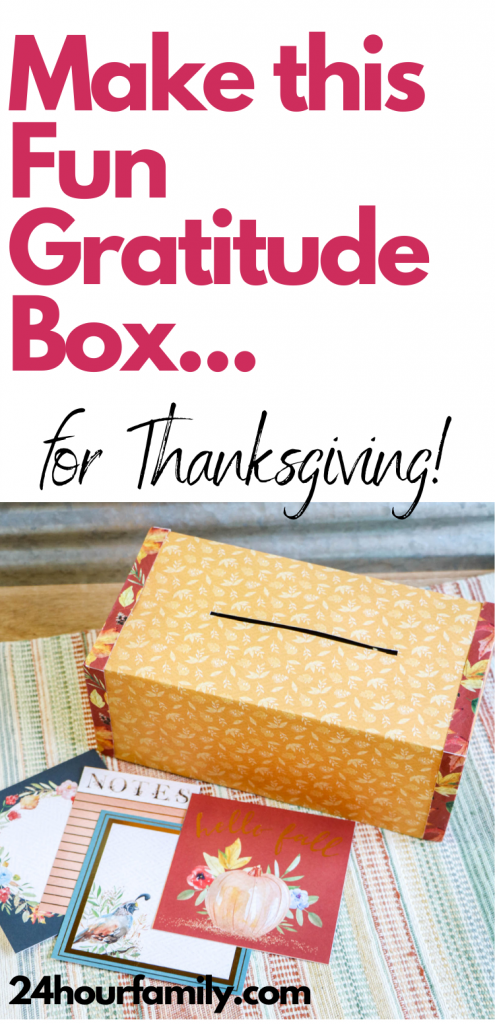
Turn an empty tissue box into a place to collect happy memories and thoughtful messages! This DIY gratitude box project uses scrapbook paper, glue, and a few decorations to create a unique container for handwritten slips and drawings.
Keep it near the dinner table, add it to a classroom writing center, or make it part of your Thanksgiving family tradition. Children can contribute a short sentence, draw a picture, or tell an adult what they would like to add.
For another way to help young learners express their thoughts, pair this project with our “I am thankful for” worksheets and check out our ever-growing list of Thanksgiving crafts and printables.
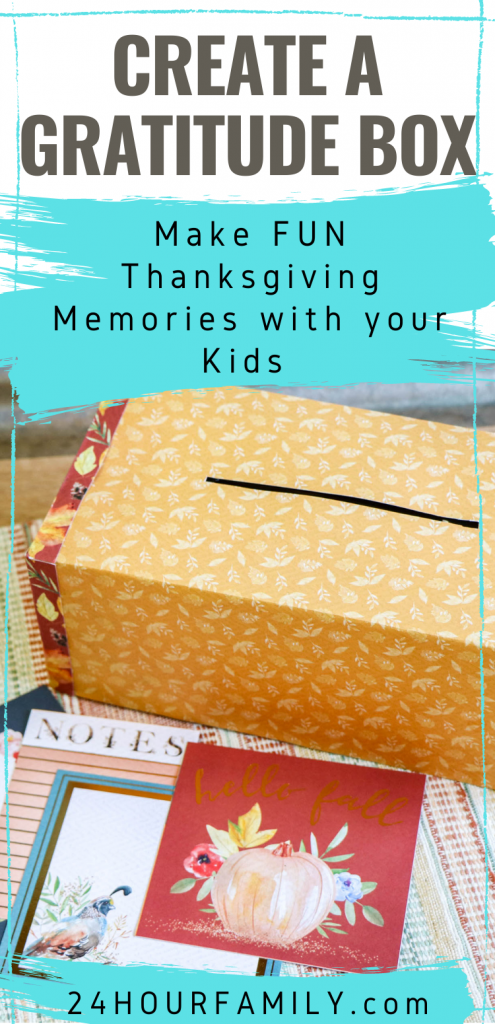
How to Make a Gratitude Box With Kids
A gratitude box is a container that holds messages about people, experiences, and everyday things you value. You might also call it a memory box or a collection of happy memories.
Its purpose is simple: give those positive thoughts a place to collect so you can look back on them later.
There are two common ways to use one:
- A shared collection: Family members or classmates contribute messages over time.
- A thoughtful gift box: Several people prepare messages for one recipient.
This project focuses on a shared container that children can help decorate and use.
Supplies for This Gratitude Box Project
Gather these supplies:
- Empty tissue box or shoebox
- Scrapbook paper or construction paper
- Glue stick, craft glue, or double-sided tape
- Scissors
- Pencil and ruler
- Small slips for messages
- Pens, pencils, or crayons
Optional decorations include:
- Stickers
- Decorative leaves
- Washi tape
- Letter stickers
- Coordinating pieces for the corners
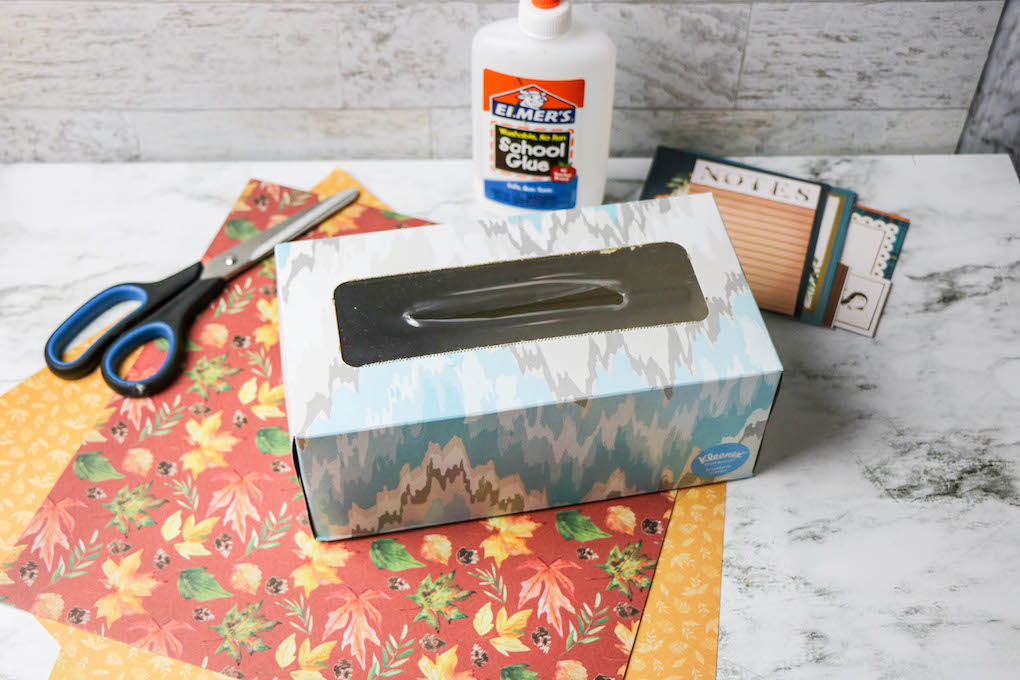
An empty tissue box is a convenient starting point because it already has an opening for inserting messages.
If you select a shoebox, keep the lid removable so you can open it to add and retrieve the contents.
How to Make a Gratitude Box
1. Choose and Prepare the Box
Start with a clean, dry tissue box or shoebox.
Remove any remaining tissues. If the opening has a plastic film, an adult can remove it if it makes inserting or retrieving slips difficult.
Check that you can get the contents out again before decorating.
For a reusable shoebox version, decorate the lid and base separately.
2. Measure the Covering
Place each side of the box against the back of your scrapbook paper. Trace or measure the panels, then trim the pieces to fit.
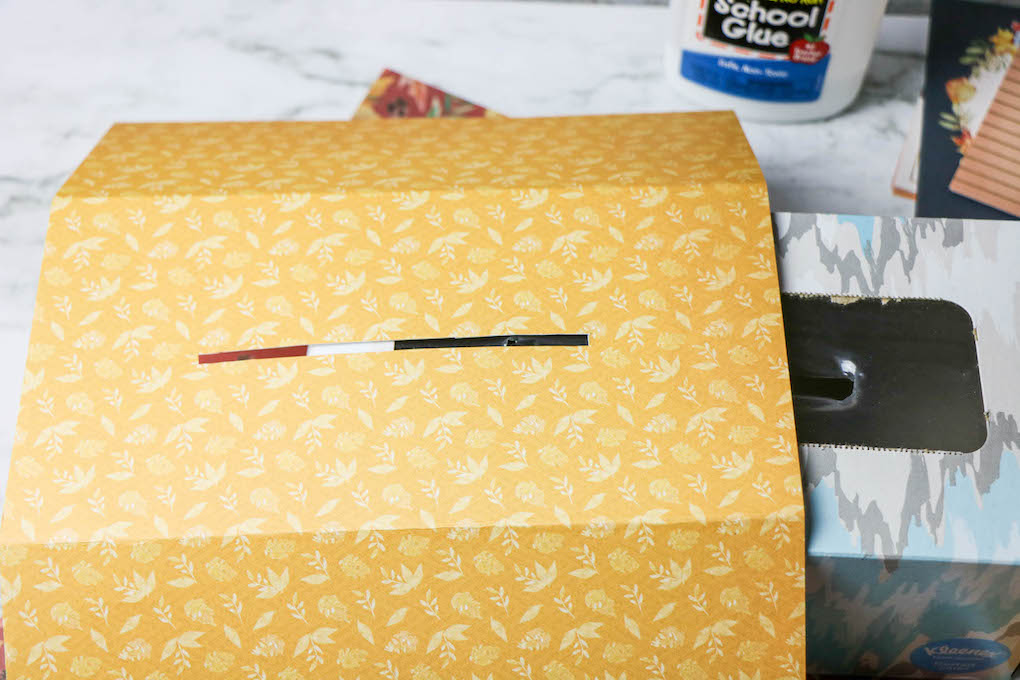
Check the placement before applying glue. Avoid covering the tissue-box opening without marking where it is.
Young crafters can help choose patterns and colors while an adult handles measuring.
3. Cover the Outside
Apply a thin layer of glue to the decorative covering or box surface.
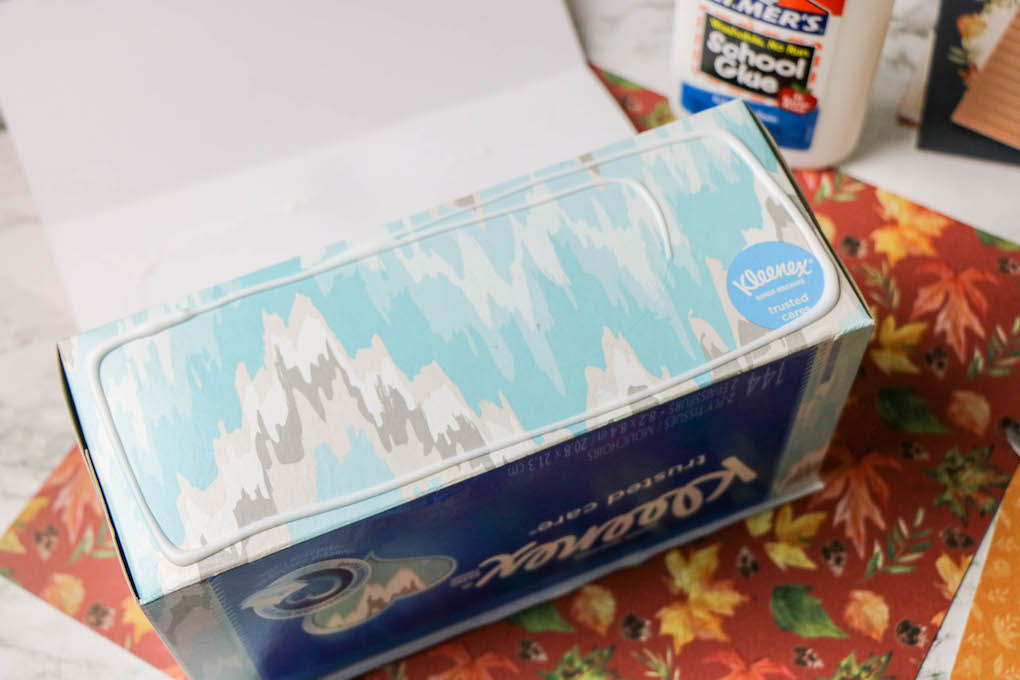
Press it onto the outside of the box and smooth it gently.
Repeat the process until all the side panels are covered. Cover the top while keeping the slot accessible.
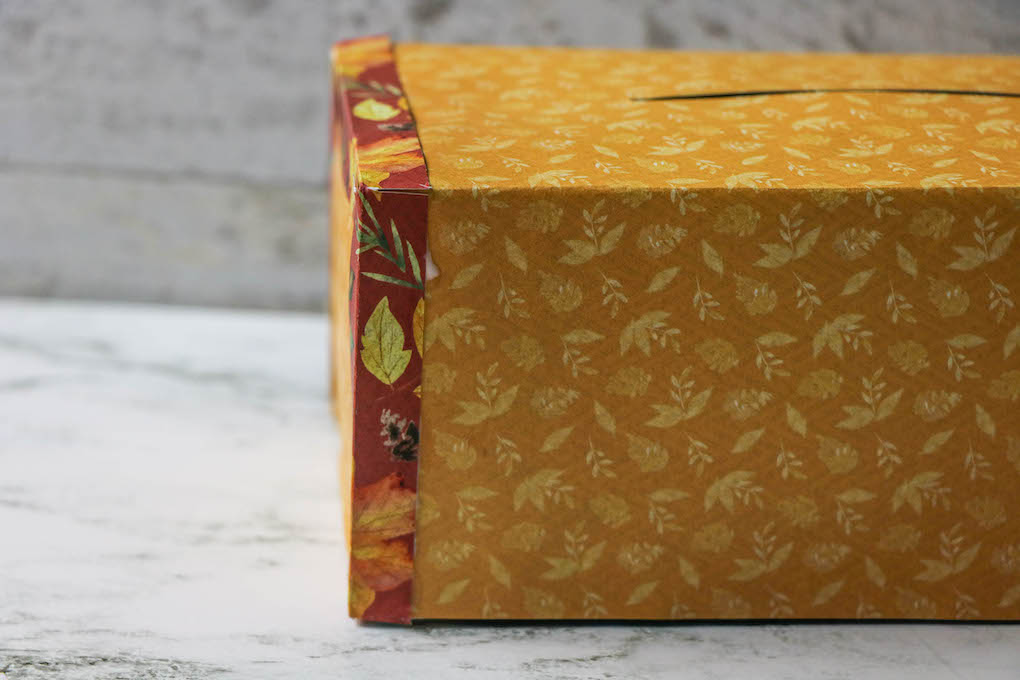
An adult should handle any cuts needed to reopen the covered tissue slot. Fold and secure loose edges inward so they do not catch the messages.
4. Finish the Corners
For a neat finish, cut strips of coordinating craft material about 1 inch wide.
Fold each strip lengthwise.
Glue the folded pieces over the outside corners where the panels meet.
This step is optional. Washi tape also works for covering the joins.
5. Decorate and Label
Add a sticker, colorful shapes, or a handwritten label to personalize your creation.
Try one of these names:
- Our Memory Box
- Things We Appreciate
- Little Memories, Big Smiles
- Our Family Gratitude Box
- Messages of Kindness
Let everyone make creative decorating choices. Each design can be different from the example.
6. Prepare the Message Slips
Cut leftover pieces into small rectangles.
Pieces around 2 × 3 inches are a useful starting size, but larger slips may be easier for younger participants to draw on.
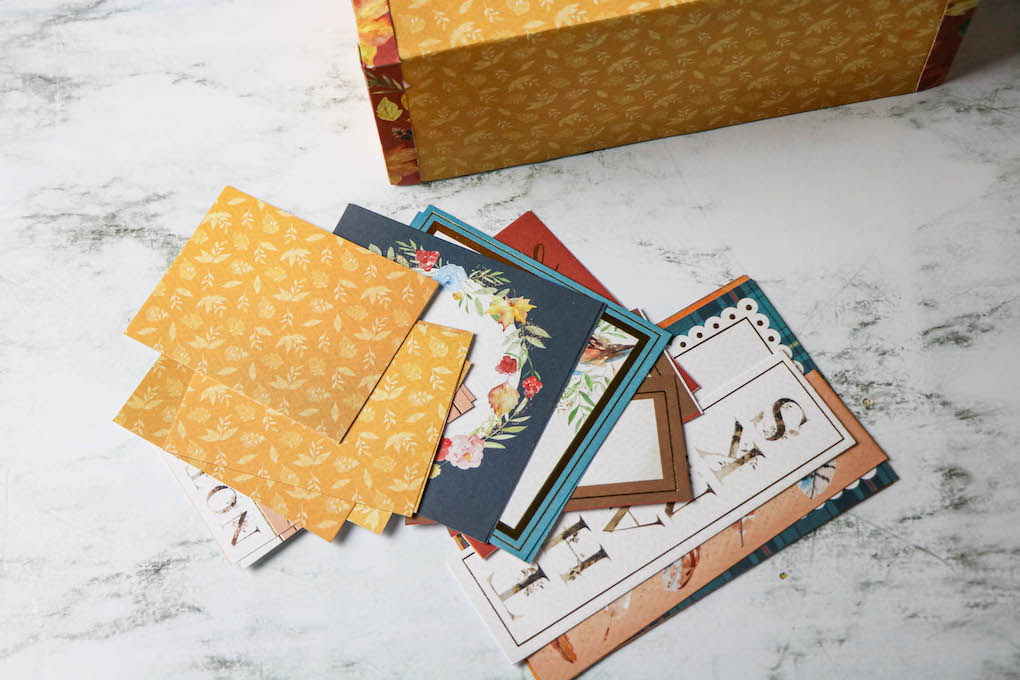
Place the slips and writing supplies beside the container.
7. Add the First Note
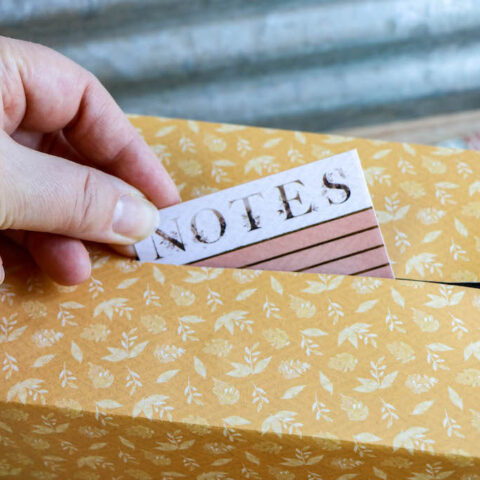
Show everyone how to contribute with a specific example: “I appreciate how you helped me carry the groceries.” Write the message, fold it if desired, and place it inside.
Encourage each participant to add their own drawing or short message.
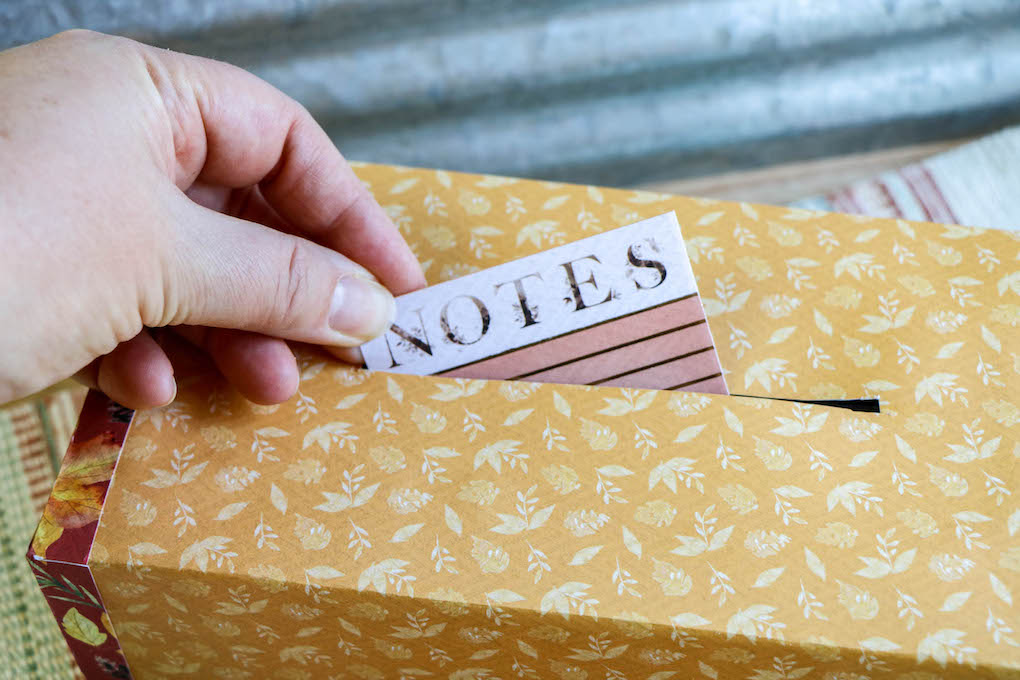
What Goes in a Gratitude Box?
Add small reminders of things you value.
These might include:
- A note about someone who helped
- A drawing of a favorite shared experience
- A meaningful memory from the day
- A thank-you message
- A short description of something pleasant
- A dated record of a small accomplishment
Specific details make the collected cards interesting to read later.
Instead of only writing “my friend,” someone might say:
“I appreciate that my friend invited me to play.” Instead of “food,” they might say:
“I liked making pancakes with Grandpa.”
You can still accept a single word or quick sketch. Young participants do not need to complete a full sentence every time.
Gratitude Prompts for Kids
Offer one prompt when someone needs inspiration to get started.
People and Kindness
- Someone who helped me today was…
- I liked spending time with…
- Someone who taught me something was…
- A kind thing someone did was…
- Someone I would like to thank is…
Everyday Experiences
- Something that made me smile was…
- My favorite meal today was…
- A game I liked playing was…
- Something beautiful I noticed was…
- A small thing I appreciated today was…
Home and Learning
- Something I like doing at home is…
- A book I liked was…
- Someone helped me learn…
- Something I can do now is…
- A place where I feel welcome is…
Write a few prompts on index cards and keep them beside the box.
For anyone who would like more space to respond, use a page from our printable gratitude journal for a separate journaling activity.
How to Use a Gratitude Box as a Family
Create a routine that fits your household.
You might contribute messages:
- After dinner
- At bedtime
- Once each weekend
- After a family outing
- During November
- Whenever someone wants to remember a special occasion
Start with one contribution per family member rather than a long list. Adults can participate too. Hearing a specific example often helps younger participants understand what to share.
Keep participation flexible. A child can dictate a message, draw, or pass for the day.
How Often Should You Open It?
There is no required schedule.
Try opening your box:
- Once a week
- At the end of each month
- On Thanksgiving
- On New Year’s Eve
- At the end of a school term
A weekly reading is an easy starting point because everyone may still remember the events.
Before sharing, check that contributors are comfortable having their messages read aloud. Keep personal notes separate if needed.
Thanksgiving Family Activity
Use your creation as a November project or a seasonal family tradition to give thanks together.
Collect Messages Before Thanksgiving
Invite family members to add one thoughtful message on days they choose.
During your celebration, read a selection together. Let people volunteer to explain a memory or share their drawing.
Even starting just a few days before the celebration is perfectly fine. A few days of contributions can still give your family plenty to discuss.
Set Up a Message Station
Place the box on a side table with:
- Blank slips
- Pencils and crayons
- A few prompt cards
- A short invitation to participate
Try this wording:
“Write or draw something you appreciate. Add it to our family collection.”
For another seasonal display, make a Thanksgiving thankful tree and add kind words to its leaves.
Gratitude Box Ideas for Different Ages
Toddlers and Preschoolers
Let little ones decorate with large shapes or stickers. They can draw something they like or tell an adult what to record.
Try concrete questions:
- “Who did you like playing with?”
- “What made you smile?”
- “What did you like doing today?”
Adults should prepare the opening and handle difficult cutting.
Kindergarten and Early Elementary
Offer sentence starters such as:
“I feel grateful for ___ because ___.”
Young learners can combine a drawing with a word or sentence.
A word bank can help, but let each participant choose their own responses.
Older Students and Teens
Invite more detail:
- What did someone do that mattered to you?
- What everyday convenience did you notice?
- Which shared experience would you like to remember?
Offer a private box or envelope if they prefer personal reflection.
Classroom Gratitude Box for Teachers
A classroom collection can highlight helpful actions, pleasant learning experiences, and kindness.
Keep it near a writing station with short prompts.
For example:
“I appreciated it when someone…”
Teachers can review submissions before sharing them during a weekly meeting.
Keep participation voluntary. Avoid turning it into a popularity contest or comparing how many messages each student receives.
A Teacher Gift Idea
For a gift, invite students to prepare specific messages for their teacher.
Examples include:
- “Your explanation helped me understand fractions.”
- “I liked the story you read after lunch.”
- “Your directions helped me finish my work.”
Combine the contributions in a decorated container. Our thank-you coloring pages offer another way for students to contribute a picture or message.
Other Ways to Use Your Memory Box
For Couples
Keep a small container for messages about everyday acts of care. Include something specific, such as:
“I appreciate that you made dinner when my meeting ran late.”
Choose a time to read them together, or let each person open their own messages.
For a Workplace
Use a container for optional messages recognizing helpful teamwork.
Keep messages respectful and work-related. Share them only with the writer’s and recipient’s permission.
A plain kraft container paired with empty cards provides everything needed, without purchasing a separate set.
For Sunday School
Invite students to draw or describe something they value in their faith.
They might name a person, a provision, or an experience.
Pair the project with our Thanksgiving Bible verse worksheets for a separate faith-based lesson.
Gratitude Box vs. Gratitude Jar
Both hold thoughtful messages. Choose the container that is easiest for your group to use.
Choose a box when:
- You want to decorate a larger surface.
- You have a recycled tissue box or shoebox.
- You prefer the contents to stay out of view.
- You plan to include sketches or larger illustrations.
Choose a jar when:
- You want to see the collection grow.
- You have a wide opening for folded slips.
- You want something compact that fits easily on a shelf.
For young children, a sturdy plastic jar can be more practical than glass.
A small basket or envelope can serve the same purpose. What matters most is making time to recognize the good things in everyday life.
Decorating Ideas
Recycled Tissue Box
Cover the box with patterned pieces and coordinating corner strips. Use the existing opening for inserting messages.
Decorated Shoebox
Cover the lid and base separately. This option gives you more room and makes retrieving the contents easier.
Kraft Paper Box
Wrap a box in brown kraft paper. Let young crafters add drawings, stamped shapes, or handwritten words.
Year-Round Memory Box
Choose general colors and a label such as “Memories We Appreciate.” Add dated messages throughout the year.
Thanksgiving Box
Use decorative leaves and autumn colors to capture the festive spirit.
Pair it with our turkey craft for a second way to record thoughtful messages.
Keeping the Project Comfortable for Everyone
Invite young participants to notice something they value without expecting them to feel positive all the time.
They can feel grateful for a kind friend and still feel disappointed about a difficult day.
Accept small answers. Do not require participants to compare their circumstances with someone else’s or share something private. The box works best as an invitation to reflect and connect.
Troubleshooting Your Decorated Box
The Covering Wrinkles
Use less liquid glue or switch to a glue stick or double-sided tape. Smooth each panel before moving to the next side.
Messages Catch on the Opening
Check for loose edges or plastic around the slot. Have an adult trim or secure anything that snags.
You Cannot Retrieve the Contents
Test access before decorating. A shoebox with a removable lid is easiest for repeated use. For a tissue box, make sure an adult can retrieve slips through the existing opening.
Young Participants Cannot Think of Anything
Offer one concrete prompt. You can also name something you appreciated and invite them to respond if they wish.
Everyone Forgets to Participate
Move the box near an existing daily routine, such as the dinner table. Keep writing supplies beside it.
The Box Is Full
Read the collected messages according to your chosen schedule. Save favorites in a dated envelope, scrapbook, or family folder before starting again.
More Gratitude Activities for Kids
Continue exploring kindness and gratefulness with these ideas:
- “I am thankful for” worksheets
- Printable gratitude journal
- Thanksgiving tree
- Turkey craft
- Thank-you coloring pages
What is a gratitude box for?
It holds messages and drawings about things you value. You can revisit them as a family, class, couple, or individual.
What do you put in a gratitude box?
Include details about a helpful person, a pleasant experience, a kind action, or an everyday memory. Add a specific detail when possible.
How do you start a gratitude box?
Choose a container, prepare some blank slips, and add one message. Decorating is optional.
How often should you add messages?
Daily, weekly, or occasionally can all work. Choose a realistic routine and keep participation flexible.
When should you open a gratitude box?
Open it weekly, monthly, on a special occasion, or at another agreed time. Ask permission before reading personal messages aloud.
Can children draw instead of writing?
Yes. They can draw, dictate to an adult, or use a combination of pictures and words.
Do you need a special craft kit?
No. A recycled box, scrap supplies, and a pen or pencil are enough to begin.
Can you use a gratitude box all year?
Yes. Use a general label and add dated messages whenever you want to remember something.
DIY Gratitude Box
Make a decorated box for collecting thankful notes and drawings with your family or classroom.
Materials
- 1 clean, empty tissue box or shoebox
- Scrapbook paper or construction paper
- Glue stick, craft glue, or double-sided tape
- Paper slips
- Pens, pencils, or crayons
- Optional stickers and paper decorations
Tools
- Scissors
- Ruler
- Pencil
Instructions
- Choose a clean, dry box and check how you will add and retrieve notes.
- Measure and cut paper to cover the outside.
- Glue the paper onto the box, keeping the opening accessible.
- For a shoebox, cover the lid and base separately.
- Cut optional 1-inch paper strips, fold them lengthwise, and glue them over the corners.
- Add a gratitude label and decorations.
- Let the glue dry.
- Cut small paper slips and place them beside the box with writing supplies.
- Write or draw one thing you appreciate and place it inside.
- Choose when to add more notes and when to read them.
Notes
- Adults should handle difficult cuts and changes to the box opening.
- Children may draw or dictate instead of writing.
- Keep participation voluntary.
- Ask before reading someone’s note aloud.
- Store the box in a dry place.
