
Beach Sand Slime Recipe: How to Make Slime With Sand
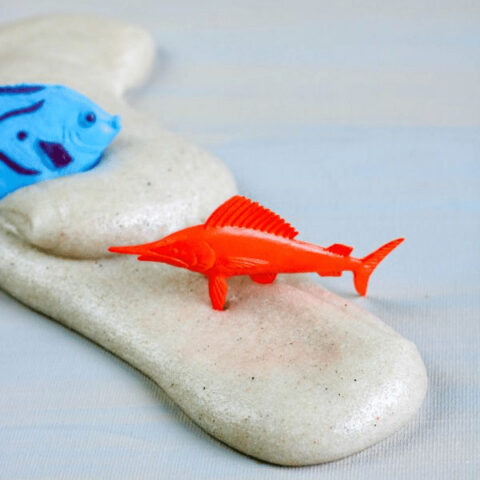
Bring the beach’s texture to hands-on play with this easy sand slime recipe. Blue school adhesive gives it an ocean-inspired color, while play sand creates a gritty feel that is different from traditional smooth varieties.
This DIY beach sand slime uses five simple supplies: blue Elmer’s glue, warm water, baking soda, contact lens solution, and sand. Use 1/2 cup of sand for a softer result or work up to 1 cup for a denser consistency.
The recipe takes about 10 minutes to prepare and work by hand. It is a fun summer activity, beach-unit project, or companion to our ocean slime recipe. Browse our complete collection of homemade slime recipes for more colors, textures, and themes.
What Makes Sand Slime Unique?
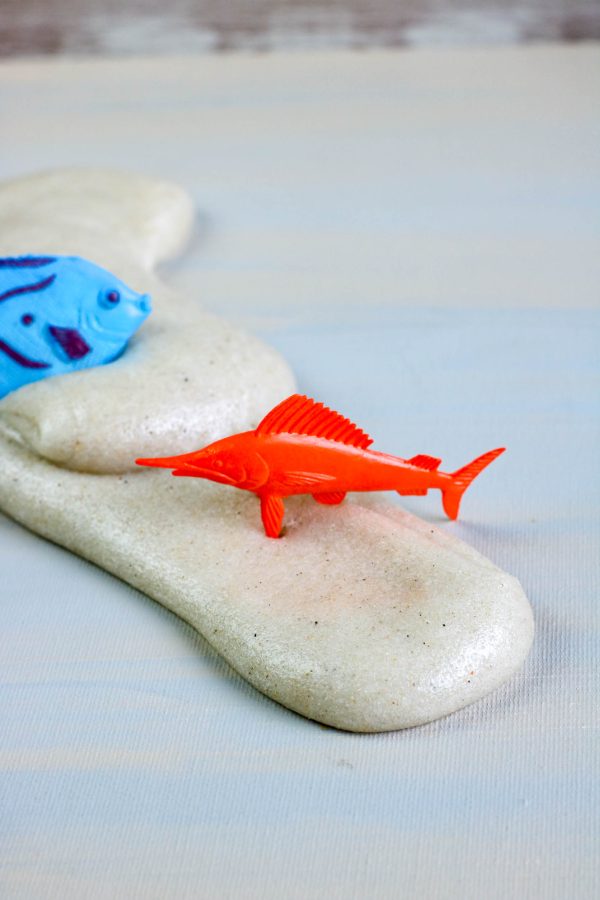
Sand slime is a stretchy material with fine grains mixed in. The sand creates a slightly weighted, grainy texture, but the finished material can still be folded, squeezed, pulled, and shaped.
This recipe is sometimes called beach sand slime or slimy sand because it brings together two familiar play materials. It is not edible and should not be confused with a taste-safe sand activity.
Sand Slime Recipe at a Glance
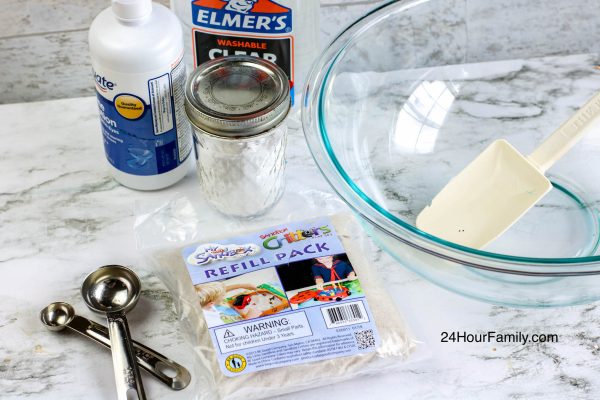
Ingredients You’ll Need:
- Elmer’s glue
- Warm water
- Baking soda
- Contact solution containing boric acid
- Play sand
Tools
- Mixing bowl
- Silicone spatula
- Measuring cups and spoons
- Airtight storage
Choosing the Right Contact Lens Solution
Check the ingredient label before beginning. For proper activation, choose a contact lens solution that lists boric acid as an ingredient. Not every saline or eye-care product contains the same components, so substituting plain saline may leave the base runny.
Introduce the solution in small amounts rather than pouring it in all at once. Different formulas can require slightly different quantities, and using too much activator can make the finished material firm, rubbery, and difficult to pull.
What Kind of Sand Works Best for Slime?
Clean, dry sand intended for children’s play is the easiest choice. Fine craft sand also works and produces a smoother, more uniform texture.
Avoid damp sand collected from the shore because extra moisture can affect the consistency. Sand containing sticks, shells, sharp fragments, or other debris should not be incorporated.
How to Make Sand Slime
1. Empty the Glue Into a Bowl
Pour the entire 6-ounce bottle of Elmer’s glue into a large bowl. Choose one with enough room to work in the remaining materials without creating a mess.
2. Pour In the Warm Water
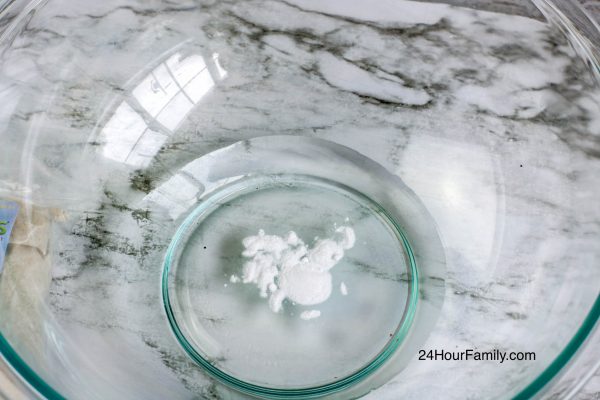
Fill the empty bottle about one-third full with warm water, approximately 1/4 cup. Secure the cap, then shake the bottle well to rinse out the residue.
Transfer the diluted liquid to the prepared base. Blend thoroughly until the liquid is distributed evenly and the base looks uniform.
3. Blend In the Baking Soda
Measure in 1/2 teaspoon baking soda, then blend until no visible dry spots remain.
This helps prepare the base for activation. Blending it evenly before the next step creates a more consistent result.
4. Work In the Sand
Start by measuring 1/2 cup of sand into the base. Add it gradually, stirring between small portions.
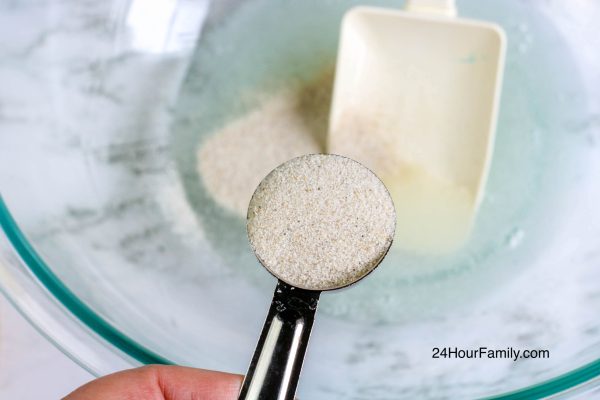
Stop at 1/2 cup for a softer result with more flexibility. Continue up to 1 cup total for a grittier, denser result. Using more sand creates a stronger beach-like feel but reduces how far the material can be pulled.
5. Add the Contact Lens Solution Slowly
Add the contact lens solution gradually and mix well after each small amount. Use only enough to make the base pull away from the sides and gather into a soft ball.
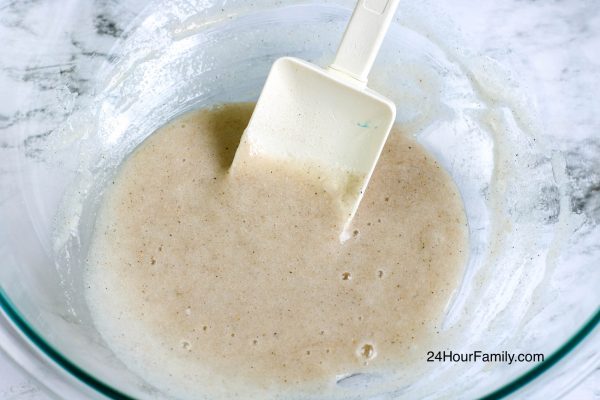
Regular school glue may require less solution than glitter varieties. Don’t automatically add extra activator just because the material initially looks tacky; working it by hand can change its consistency significantly.
6. Knead the Slime
Lift the slime from the bowl. It may feel sticky at first.
Fold, pull, and knead it with your hands until it comes together and stops sticking to your hands.
If it remains tacky after several minutes, add a few drops of contact lens solution at a time and work it again. Repeat cautiously if necessary.
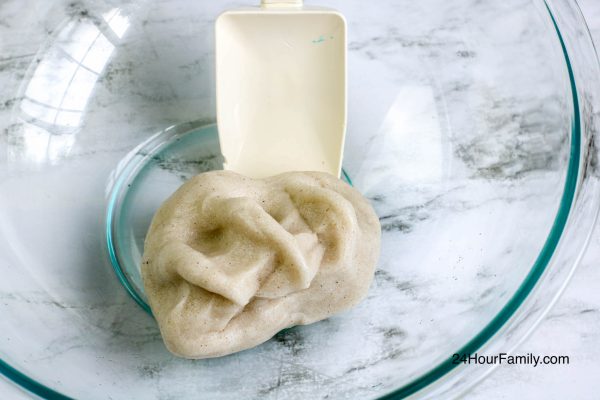
7. Play or Store
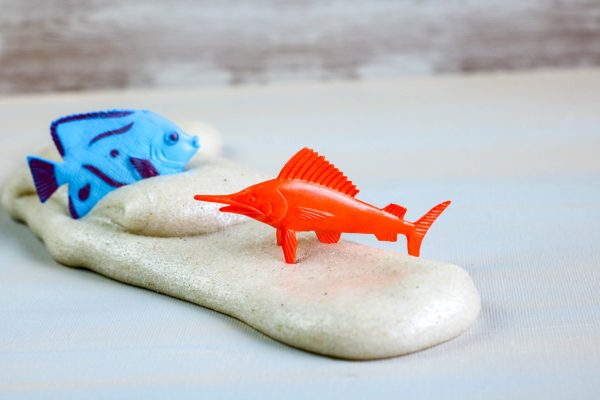
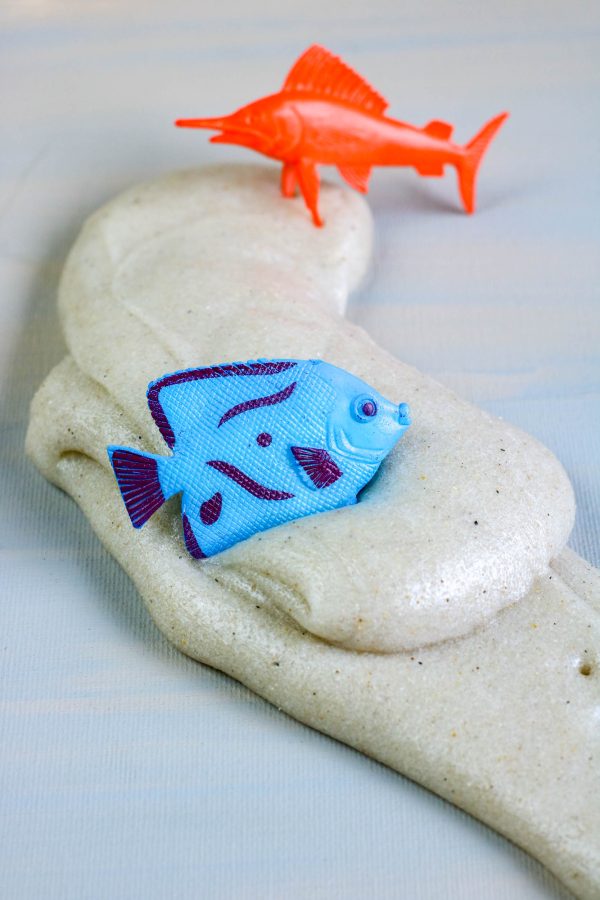
Your sand slime is ready when you can handle it without coating your fingers. Shape it like ocean waves, press it into a shallow tray, or hide larger washable ocean-themed pieces inside for a kid to find.
Keep it in a clearly labeled airtight container in the refrigerator when not in use. Because it is not food, store it separately from anything that could cause someone to mistake it for something edible.
Slime Tip
Here is one helpful tip for the best sand slime recipe: pour in the activator slowly and work the material before deciding it needs more. Too much can make it tough, while something that initially seems tacky may become smooth after a few minutes of folding and pulling.
What Sets Sand Slime Apart From Kinetic Sand?
Not quite. Although both are used for hands-on play, their consistency and movement differ noticeably.
This version is elastic and flows slowly because the activated adhesive stays in its base form.
Kinetic sand contains a much higher proportion of grains and is designed to hold molded shapes without crumbling. Some DIY versions blend sand with a small amount of slime and call the result kinetic sand slime, but this version remains noticeably pliable.
For a thicker version, use the full 1 cup of sand. The result will be heavier and less flexible than the 1/2-cup version, but it will still behave more like slime than commercial kinetic sand.
Does This Recipe Work at the Beach?
You can prepare this sand slime recipe during a beach trip or vacation, but making it directly on the shore can be difficult. Wind, saltwater, sunscreen, and loose debris can interfere with the consistency and make cleanup harder.
For reliable results, prepare it indoors or at a sheltered picnic table using clean, completely dry sand. If you collect beach sand where permitted, sift it carefully, remove every seashell or sharp fragment, and let it dry fully before use. Local rules may prohibit removing sand, shells, or other natural materials, so check posted regulations first.
The easiest option is to buy packaged sand from a store like Home Depot or order a small bag from Amazon, then take it along or prepare everything at home after the trip.
How to Fix Sand Slime
The Slime Is Too Sticky
Work it with your hands for several minutes before changing the recipe. If it still coats your fingers, add a few drops of contact lens solution at a time. Mix completely after every small addition.
What If It Feels Too Firm?
An overly firm batch usually means the activator or sand is out of balance. Pour in a small amount of blue glue, using only a little at a time so the material does not become overly tacky.
Do not use oils, scented products, or unknown lotions in children’s slime. These products can introduce components that were not evaluated as part of the recipe and may make cleanup more difficult.
The Sand Falls Out
Loose grains can shed when too much is used or the base is overactivated. Start with 1/2 cup, work it in completely, and use more only if you want a denser feel.
The Mixture Will Not Form Slime
Confirm that you are using washable PVA adhesive and a contact lens product containing boric acid. Also check the measurements and make sure everything was evenly blended before activation.
Beach Slime Play Ideas
Place this textured slime on a washable tray or plastic table covering before play. Then try one of these simple prompts:
- Pull the material into long ocean waves.
- Press a large plastic sea animal or washable toy into the surface to make impressions.
- Hide washable gems or large shells inside and dig them out.
- Compare the feel with a batch of smooth, clear slime.
- Use it after an ocean story, beach lesson, or one of these easy ocean animal crafts.
For an optional decorative touch, a small amount of chunky glitter can provide extra sparkle. Avoid tiny add-ins when young children or pets are present. Real shells can have sharp edges, and natural objects may be difficult to clean completely.
Sand Slime Safety
This recipe is a craft and great sensory activity, not food. An adult should measure the supplies and supervise preparation and play.
- Do not eat or taste the material.
- Keep it away from eyes, mouths, broken skin, pets, and very young children.
- Wash hands before and after play.
- Stop using it if irritation occurs.
- Protect porous tables, rugs, upholstery, and clothing.
- Do not pour leftovers or sand down a drain.
- Dispose of unwanted material in the household trash, following local guidance.
Children who frequently put objects in their mouths need a taste-safe alternative instead. Our edible Jello slime is intended for a different type of play, although adult supervision is still required.
How to Store Sand Slime
Store the material in an airtight container immediately after play. Refrigerate it as directed in this recipe and label it clearly as NOT FOOD. A sealed Ziploc bag can also help with short-term storage.
Discard it if it develops an unusual odor, changes appearance unexpectedly, becomes contaminated, or cannot be cleaned after falling onto a dirty surface. This type of slime is not designed to last indefinitely.
If it feels too firm, let the chilled material sit in its closed container for a few minutes before playing. Working it with your hands can also help restore flexibility.
More Slime Recipes for Kids
Try another texture or theme after making this beach sand slime:
- Fluffy unicorn slime
- Ocean slime
- Patriotic red, white, and blue slime
- Glow-in-the-dark slime
- Orange slime
- Pirate treasure slime
This beach-inspired sand slime combines the feel of a classic adhesive formula with gritty grains. Start with 1/2 cup, activate slowly, and adjust the final consistency one small addition at a time.
What Steps Are Needed to Prepare Sand Slime?
Blend one 6-ounce bottle of blue adhesive with about 1/4 cup warm water and 1/2 teaspoon of the leavening powder listed above. Add 1/2 to 1 cup of sand, then slowly incorporate up to 1 tablespoon of contact lens solution containing boric acid. Work it by hand until it no longer clings heavily to your fingers.
Can Sand Be Added to a Slime Recipe?
It does. You can add clean, dry sand to the base before activation. Begin with a smaller amount because using more makes the finished material thicker and less flexible.
Will This Have a Fluffy Texture?
It will not. This version does not contain shaving cream, so it produces a dense, gritty result rather than fluffy slime. Adding shaving cream would change the ratios and require separate testing.
Can I Use Real Beach Sand?
Clean, sifted, completely dry sand collected from the shore may work if gathering it is permitted. Packaged sand intended for play is more predictable and less likely to contain moisture, sharp fragments, or debris.
What Does Boric Acid Do in This Recipe?
The borate ingredient helps link the polymers so the liquid base becomes elastic. Plain saline without an appropriate borate component will not activate it in the same way.
What Amount of Sand Works Best?
For a softer consistency, start with only 1/2 cup. Add more gradually, up to 1 cup total, for a heavier and grittier feel. Stop when the consistency feels right rather than forcing the entire cup into the batch.
How Long Can I Keep This Homemade Batch?
Homemade varieties have no exact shelf life. Keep it sealed and refrigerated as directed, use clean hands, and discard it whenever it smells unusual, changes appearance, or becomes contaminated.
Beach Sand Slime
Make stretchy blue sand slime with play sand, glue, baking soda, and contact lens solution. Add more or less sand to customize the gritty beach texture.
Materials
- 1 (6-ounce) bottle Elmer's glue
- About 1/4 cup warm water
- 1/2 teaspoon baking soda
- 1 tablespoon contact lens solution containing boric acid
- 1/2 to 1 cup play sand
Tools
- Large mixing bowl
- Spoon or silicone spatula
- Measuring cups and spoons
- Airtight storage container
Instructions
- Empty the glue into a large mixing bowl.
- Fill the empty glue bottle about one-third full with warm water, approximately 1/4 cup. Replace the lid, shake well, and pour the mixture into the bowl. Stir to combine.
- Add the baking soda and stir until it is thoroughly mixed into the glue.
- Stir in the play sand a little at a time. Use 1/2 cup for a stretchier texture or add up to 1 cup for sandier slime.
- Add the contact lens solution slowly, mixing between additions. Use only enough to bring the mixture together into a soft ball.
- Remove the slime from the bowl. Stretch, fold, and knead it until it is no longer sticky. If needed, add contact lens solution a few drops at a time.
- Play with the slime on a protected surface. Store it in a clearly labeled airtight container in the refrigerator when not in use.
Notes
- The contact lens solution must contain boric acid.
- Regular glue may need less activator than glitter glue.
- Add the activator slowly; too much can make the slime stiff and rubbery.
- Sand slime is not edible. Adult measurement and supervision are required.
- Keep away from eyes, mouths, broken skin, pets, and children who may taste it.
- Do not rinse slime or sand down a drain.
