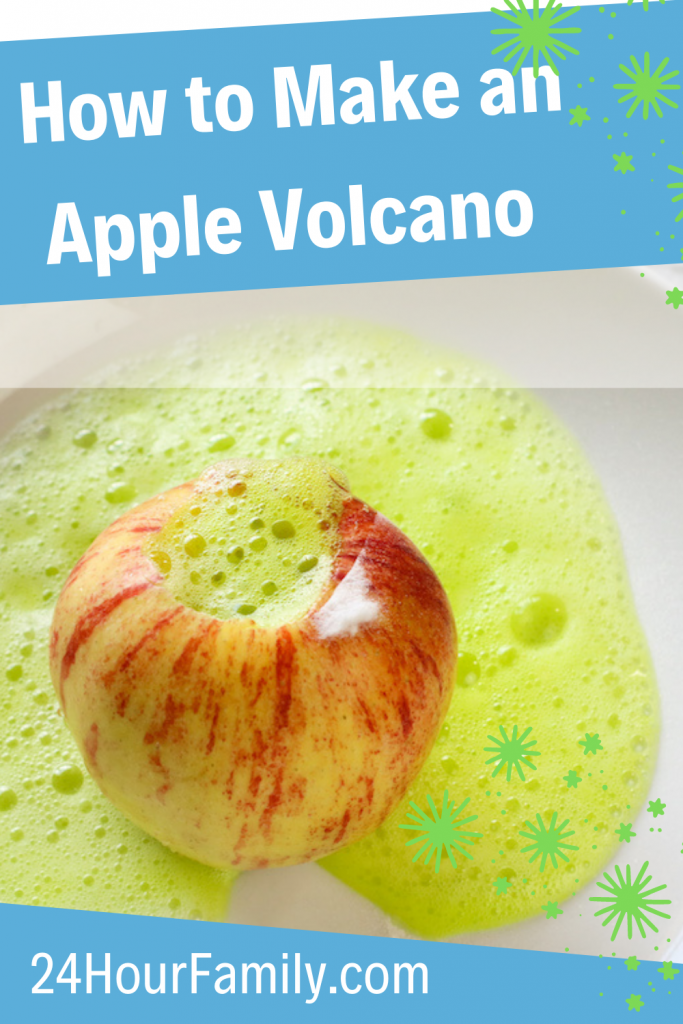
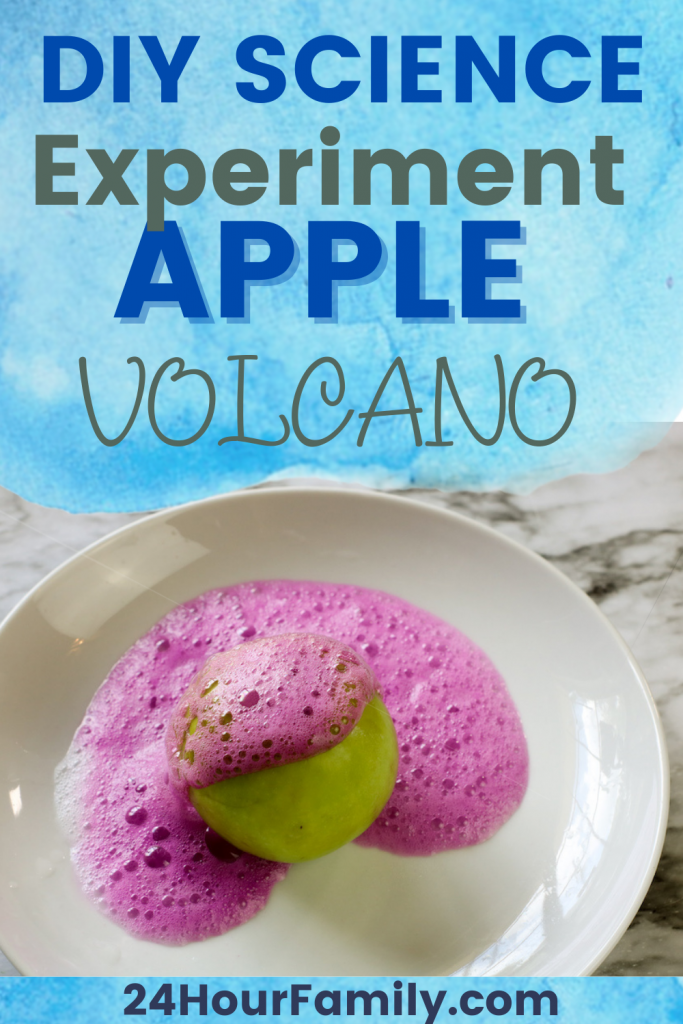
How to Make An Apple Volcano
Teach a quick and fun science lesson with the Apple Volcano/Vinegar and Baking Soda Science Activity. The activity is a great way to get children to study science while using items you already have at home.
Are you always looking for new ways to educate your children about STEM and science? If you like to complete various experiments together, the Apple Volcano and Baking Soda Science Activity is one of those quick, fun, and easy experiments that you do not want to miss out on. You can complete this activity with your children in 30 minutes or less.
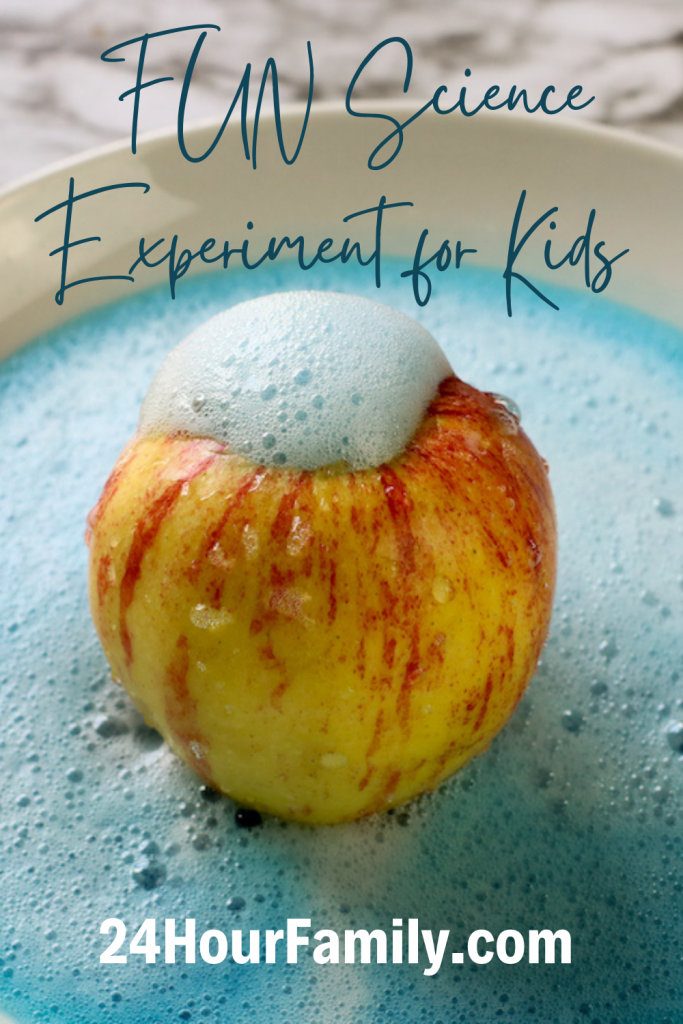
Offer your children a hands-on experience that they will remember for years to come. You will only need an apple, vinegar, and a few other items to complete this activity and demonstrate to your children exactly how certain chemicals react when combined.
This post may contain affiliate links. As an Amazon Associate and a participant in other affiliate programs, I earn a commission on qualifying purchases. Read our disclosure policy here.
Coodoo Upgraded Magnetic Blocks Tough Tiles STEM Toys for 3+ Year Old Boys and Girls Learning by Playing Games for Toddlers Kids, Compatible with Major Brands Building Blocks – Starter SetVolcanoes! Exploding with FunLearning Resources STEM Explorers Brainometry – 3d Puzzle, Brain Games, Brainteaser, Building Logic Toys, Gifts For Boys and Girls, Fine Motor Skills , Pattern Blocks, Math Manipulatives


Supplies Needed to Complete this STEM Activity:
You will not need much to complete the Apple Volcano/Vinegar and Baking Soda Science Activity. The supplies required are ones that you probably have at home, including:
- White Vinegar. You will add white vinegar to the inside of your apple to create a reaction that is sure to impress your little ones.
- Apple. Use any apple that you have at home. Just make sure you can quickly and easily remove its core!
- Baking Soda. The baking soda helps create a reaction when combined with the vinegar, making it a must-have for completing this science activity.
- Melon Baller. Use a melon baller to remove the core from the apple, creating space for the vinegar and baking soda.
- Food Coloring. Although it is optional, food coloring makes the volcano look even better. You can let your children select the color to use.
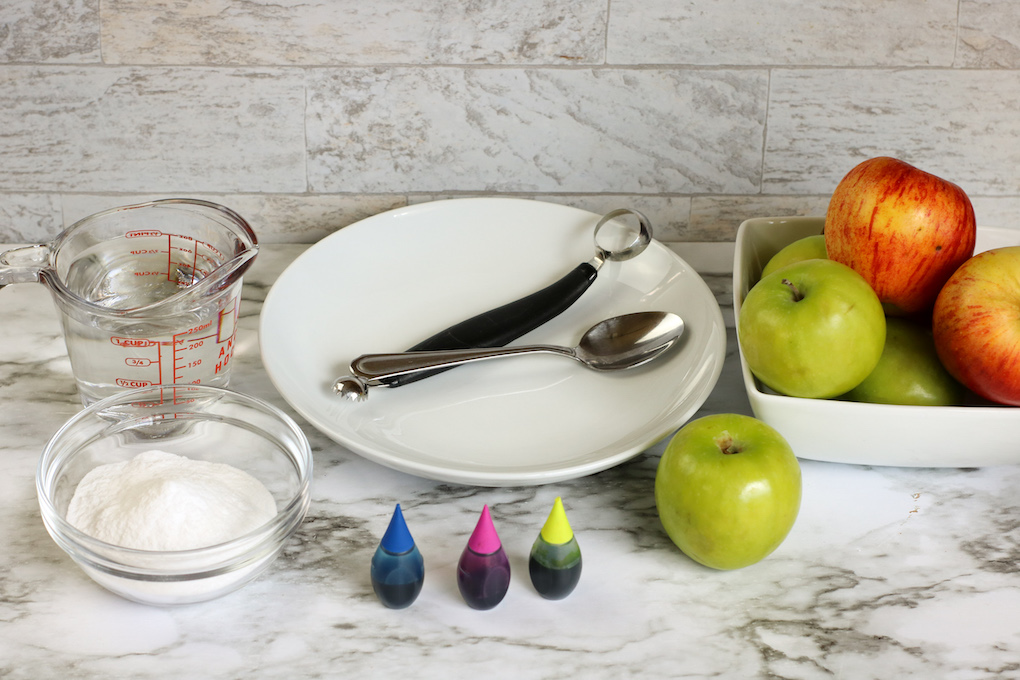
With just five items needed to complete the Apple Volcano/Vinegar and Baking Soda Science Activity, you can quickly see why it’s that simple to make. Carefully core your apple with the melon baller and get ready to have fun with this experiment.
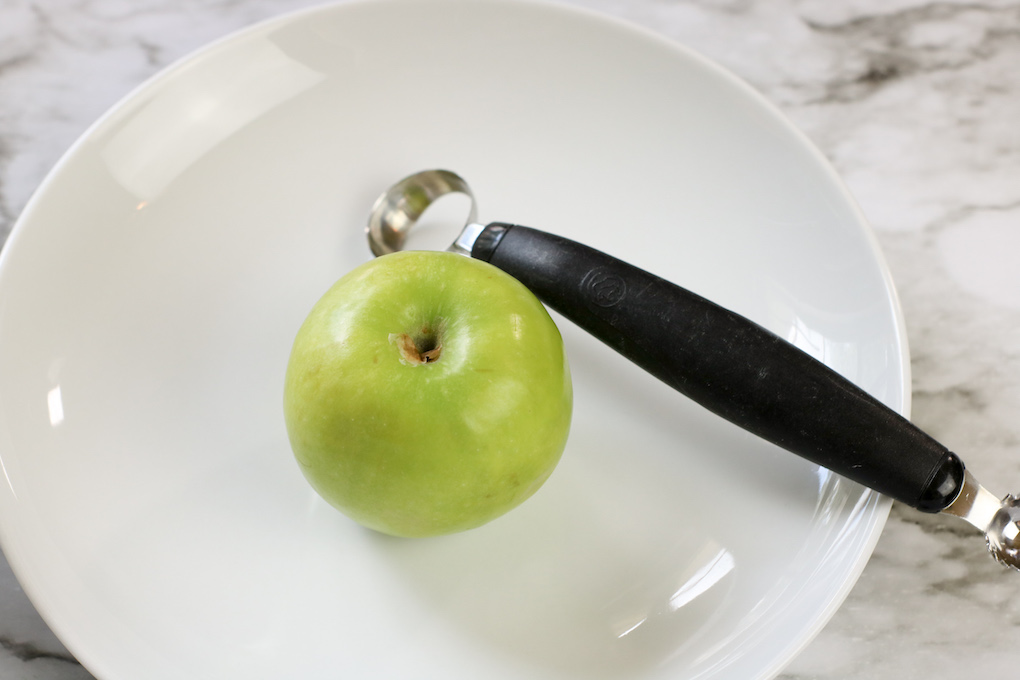
Create the cavity: Place the apple upright on a cutting board (trim a thin slice off the bottom if it wobbles). Starting at the stem end, press the melon baller straight down about ½ inch, then twist and scoop to remove a small section of core.
Check depth frequently and stop before you reach the bottom—aim to leave at least ½ inch (1–1.5 cm) of apple intact so the “cup” doesn’t break through. Pick out any remaining seed bits and blot the inside dry with a paper towel.
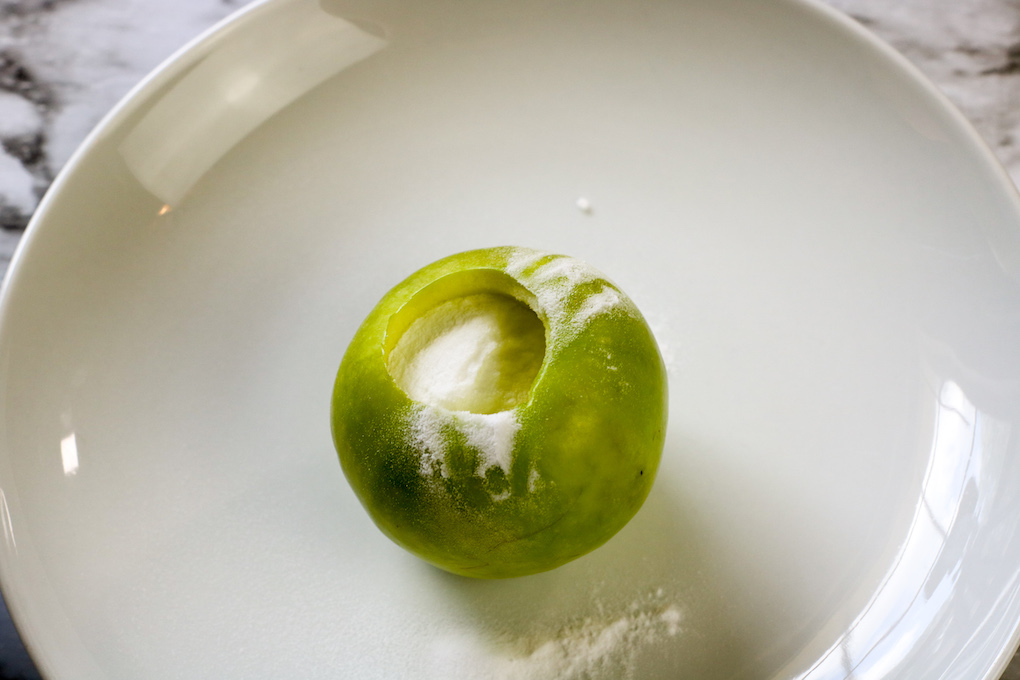
Add the baking soda.
Spoon 1–2 teaspoons of baking soda into the cavity. Gently tap the apple so the powder settles. (A mini funnel helps with less mess.).
Add color (optional).
Either drip 2–3 drops of food coloring directly into the well or tint a small cup of vinegar instead; tinting the vinegar keeps hands cleaner.
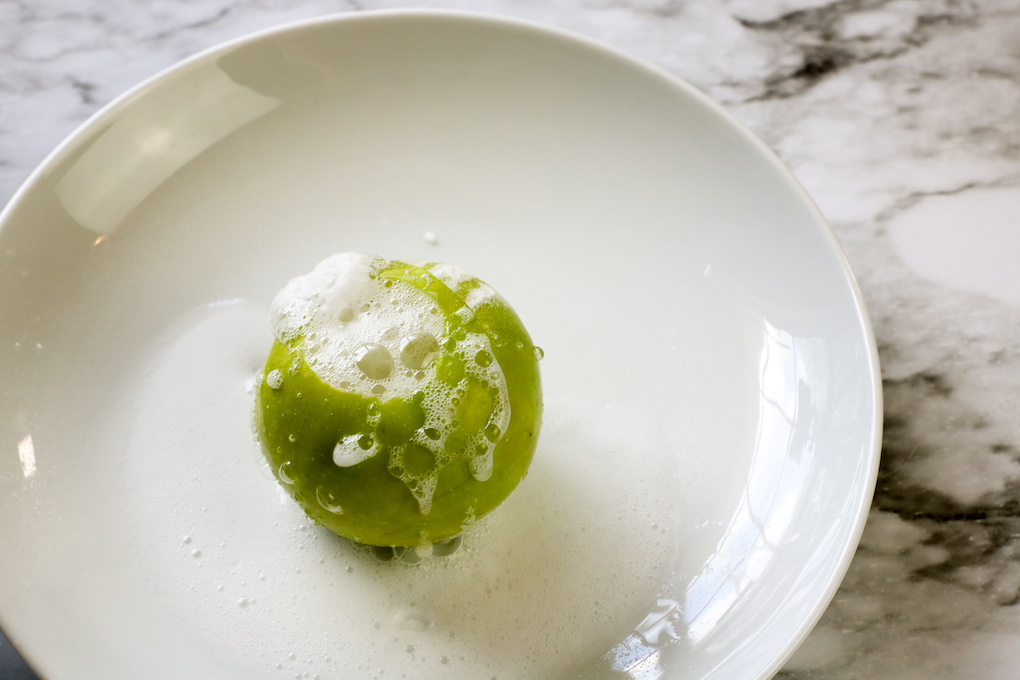
Make it erupt.
Slowly pour 2–4 tablespoons of vinegar into the cavity. Pour in a thin stream and watch as the fizzy foam rises and spills down the sides like a tiny volcano.
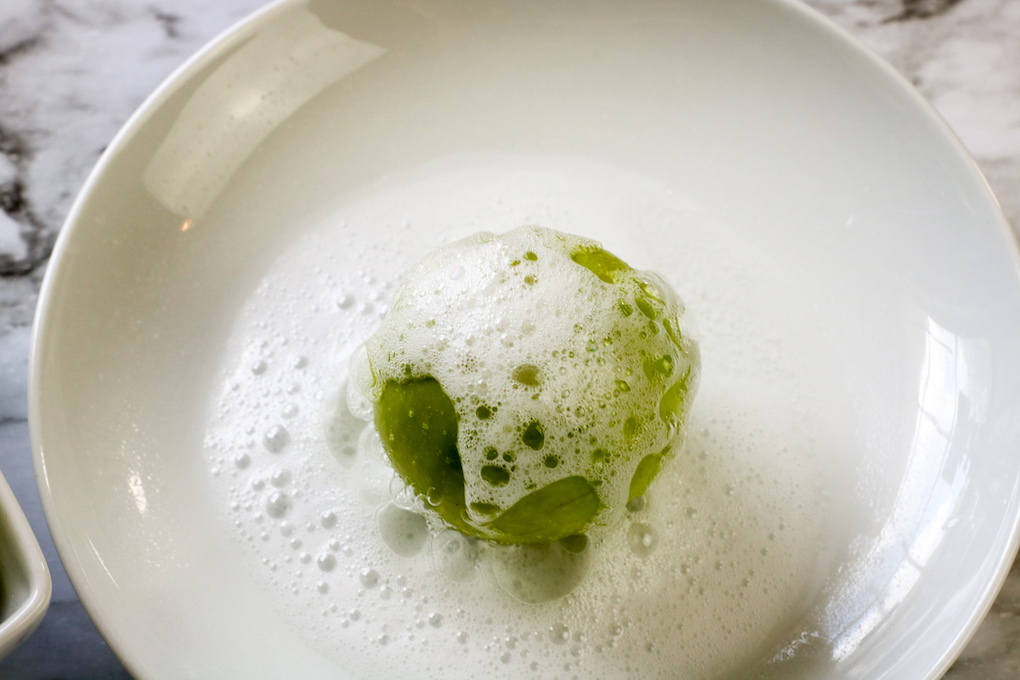
The end result is so remarkable!
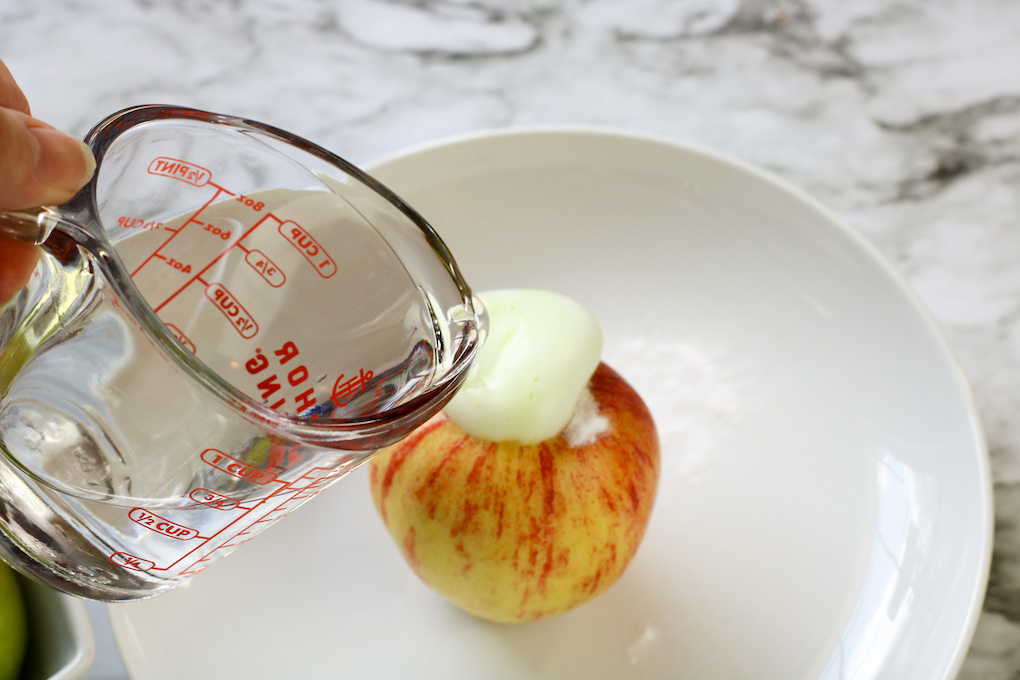
Repeat the reaction.
When the fizz slows, add another spoon of baking soda and more vinegar. You can run several eruptions from one apple. (Slightly warm vinegar will make the reaction livelier.)
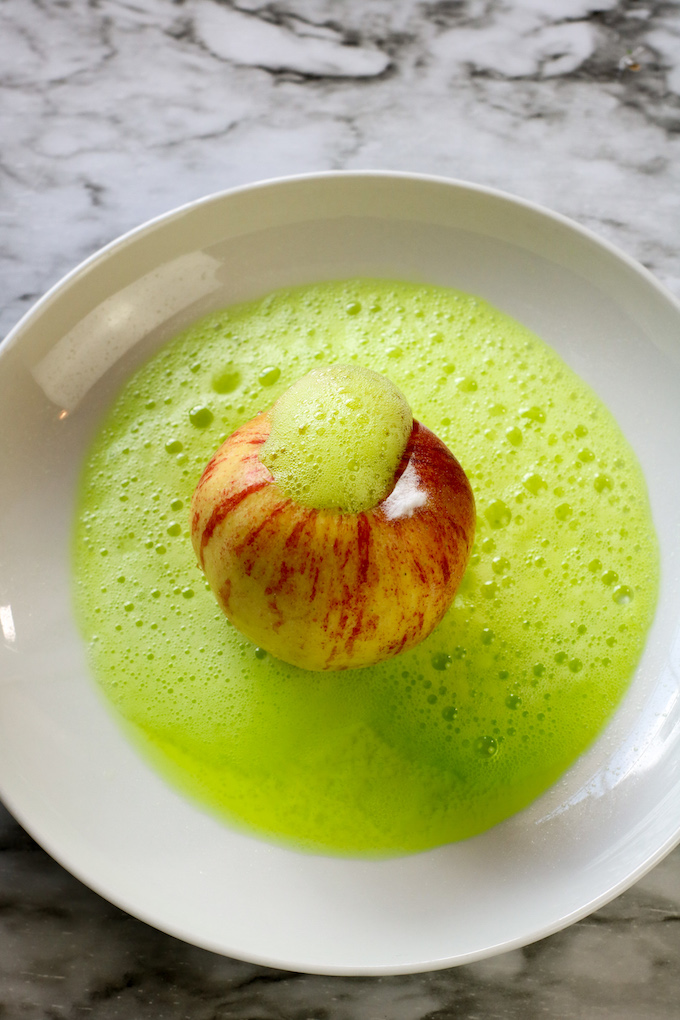
Quick clean-up.
Rinse the tray, compost or discard the apple, and wipe the surface. The ingredients are kitchen-safe, but the final mixture is not suitable for consumption, especially if you have used soap or coloring.
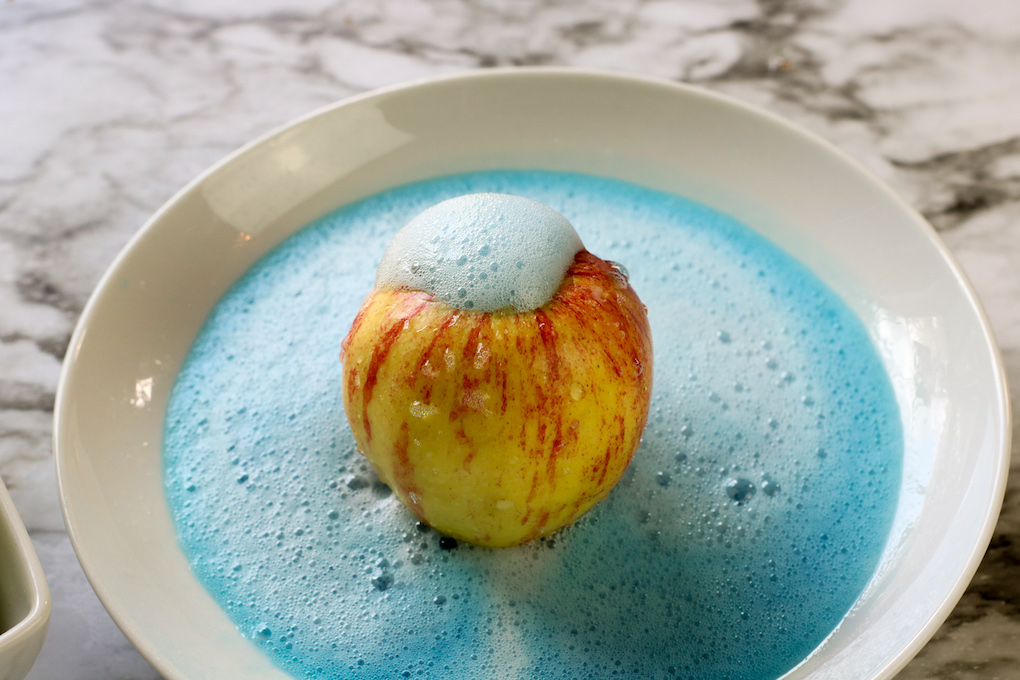
Benefits of this Apple Volcano/Vinegar and Baking Soda Science Activity
The Apple Volcano/Vinegar and Baking Soda Science Activity will demonstrate to children what happens when different chemicals are combined.
The purpose of the activity is to help children learn more about chemical reactions. The activity is simple enough for young children to get involved and help with the process of putting it all together, watching as the apple turns into a volcano right before their eyes.
While you may need to use the melon baller to remove the core, you can let your children pour in the ingredients to see what kind of reaction they will get from it. The experience is a fun one that will change a child’s perception of science for the better.
If you have multiple children, consider supplying each one with an apple without its core, allowing them to add the baking soda and vinegar by themselves.
More Fun Science Craft Experiments:
Mentos Explosion Experiment – Make a Guyser
How to Make Glow in the Dark Bubbles
This apple volcano experiment is a quick, low-prep way to turn curiosity into hands-on learning—and a little kitchen magic. In just a few minutes, kids observe how baking soda (a base) reacts with vinegar (an acid) to release carbon dioxide gas, creating the foamy “eruption” they love while practicing fine motor skills, following directions, and simple data collection.
Cleanup is easy, supplies are inexpensive, and you can repeat the reaction multiple times or tweak variables (amounts, temperature, dish soap, and colored vinegar) to compare results, just like real scientists.
Whether you run it at home, in a classroom center, or outside for maximum fizz, this activity delivers big excitement and clear science in a small package.
Save this for your next rainy day, and don’t forget to snap a photo of your mini volcano in action!
How to Make an Apple Volcano
Teach a quick and fun science lesson with the Apple Volcano/Vinegar and Baking Soda Science Activity. The activity is a great way to get children to learn more while using items you already have at home.
Materials
- 1/4 cup white vinegar
- 1 tablespoon baking soda
- Food coloring, if desired
- 1 apple
- You will also need: Melon baller
Instructions
- Prep the workspace
Place the apple on a tray or rimmed baking sheet to catch overflow. Set out paper towels. If the apple wobbles, shave a very thin slice off the bottom with a knife so it stands flat. - Create the cavity
Use a melon baller (or teaspoon) to scoop out the core from the top of the apple. Twist and lift to remove seeds and flesh, widening the opening as you go. - Dry the inside (quick wipe)
Blot the cavity with a paper towel so the baking soda stays dry until you add the vinegar. - Load the dry ingredients
Spoon 1–2 teaspoons of baking soda into the cavity.
Optional: Add 1–2 drops of dish soap on top (this traps gas bubbles for bigger foam). - Add color
For bright foam, add 2–3 drops of food coloring directly to the baking soda or tint the vinegar in a separate cup (tinting the vinegar reduces potential staining on hands). - Erupt!
Slowly pour 2–4 tablespoons of vinegar into the cavity (use a funnel for kids). Step back and watch the bubbly foam rise and spill over the sides like a mini volcano. - Keep it going
When the fizz slows, add another spoon of baking soda and more vinegar. You can repeat several times.
Tip: Slightly warm the vinegar (10–15 seconds in the microwave) for a more lively reaction. - Clean up
The reaction is food-safe, but not for consumption (e.g., soap, food coloring). Rinse the tray and compost or discard the apple when finished. Wash your hands and wipe the surface.
Notes